Croton Codiaeum variegatum
Is Croton Toxic to Cats and Dogs? Pet Safety Facts
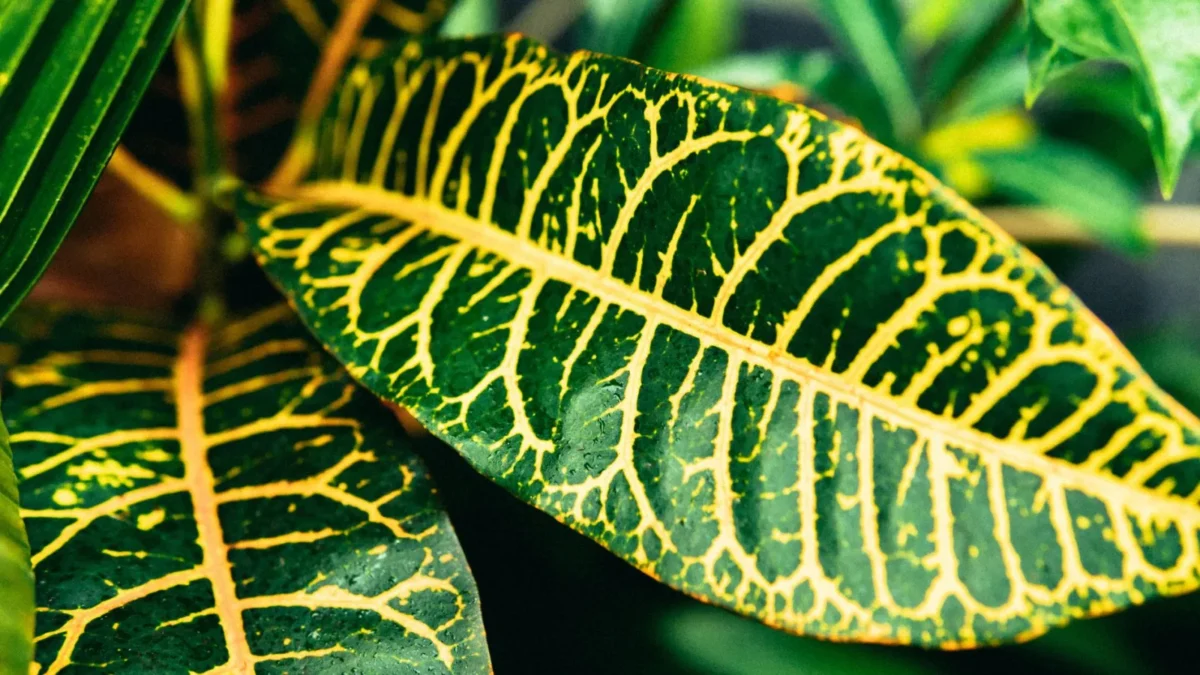
Quick answer: Yes, croton is toxic to cats and dogs. All parts of the plant—leaves, stems, flowers, and roots—contain irritating compounds that can cause vomiting, diarrhea, drooling, and loss of appetite if ingested.
| Botanical name | Codiaeum variegatum |
|---|---|
| Light | Bright indirect light; tolerates medium light but loses vibrant color; avoid full summer sun to prevent scorching |
| Watering | Water every 5-7 days spring/summer, 7-14 days fall/winter when top inch of soil is dry; use filtered or rainwater at roo |
| Humidity | 60-80% humidity; high humidity essential to prevent leaf drop and maintain foliage vibrancy |
| Temperature | 60-80°F (15-27°C) optimal; keep warm; below 50°F causes leaf drop; avoid cold drafts and sudden temperature changes |
| Soil | Peat-free, loam-based potting compost; acidic soil preferred; ensure good drainage to prevent waterlogging |
| Feeding | Monthly with liquid houseplant food diluted to half strength during spring and summer growing season |
| Size | 30-90 cm (1-3 ft) tall as a houseplant |
| Difficulty | moderate |
What happens if a cat or dog eats croton
The irritating sap in croton causes problems in the mouth and digestive tract. If your cat or dog ingests any part of the plant, symptoms typically appear within 2 to 12 hours. You may notice drooling, pawing at the mouth, reluctance to eat, vomiting, diarrhea, and loss of appetite. In severe cases, tremors or dehydration can develop.
Every part of the plant is dangerous—the toxins don’t disappear when leaves dry out or age. Even a small nibble can irritate your pet’s mouth and digestive system.
What to do if your pet eats croton
If your cat or dog has chewed or swallowed part of a croton plant, contact your veterinarian or the ASPCA Animal Poison Control Center immediately. Do not wait for symptoms to appear. A vet can assess how much was eaten and monitor your pet for complications like dehydration or prolonged vomiting.
FAQ
How toxic is croton to pets?
Croton is moderately toxic to cats and dogs. It won’t kill a pet from a single leaf, but it causes real discomfort and can lead to serious dehydration if symptoms are severe or untreated.
Can I safely keep a croton in a home with cats or dogs?
Yes, if you place the plant out of reach—on a high shelf, in a hanging basket, or behind a door your pet cannot access. Watch for knocked-over pots or fallen leaves, and wash your hands after handling the plant, as the sap can irritate skin too.
Read the full guide: Croton Care: The Complete Guide to Growing Colorful Crotons Indoors
More about Croton
The same problem in other plants
- Is Bird's Nest Fern Toxic to Cats and Dogs?
- Is Monstera Adansonii Toxic to Cats, Dogs, and Pets?
- Is Hoya Kerrii Toxic to Cats and Dogs?
- Is Bromeliad Toxic to Cats and Dogs?