Echeveria Echeveria
What Light Does Echeveria Need to Thrive?
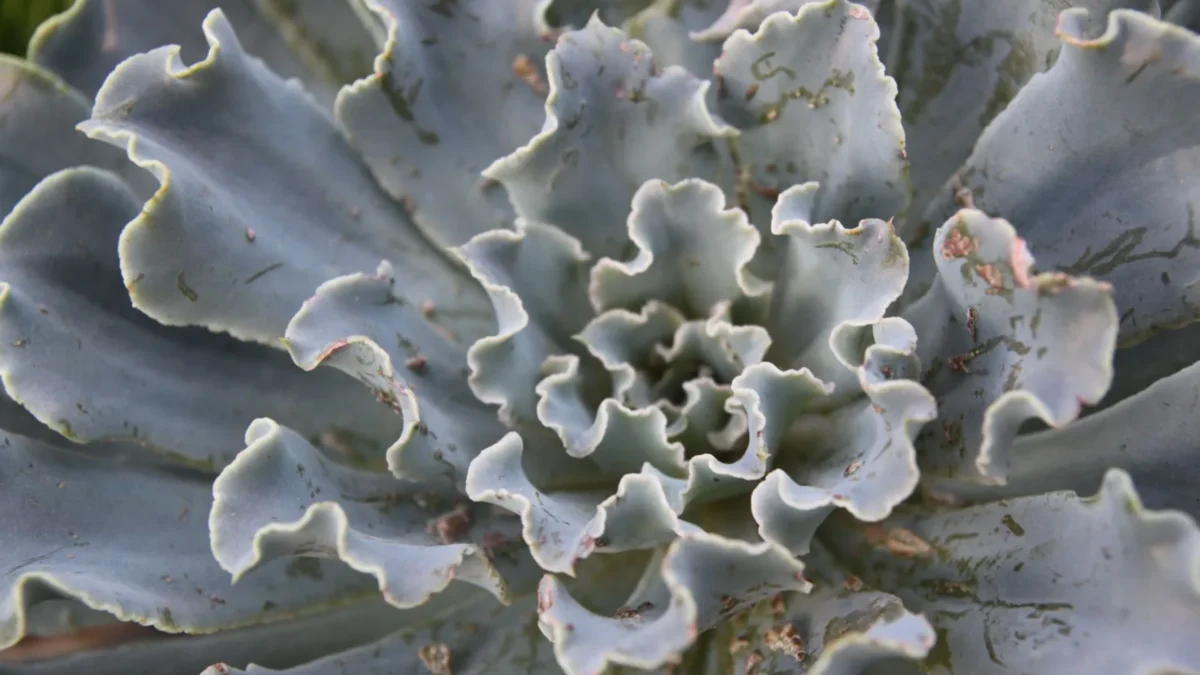
Quick answer: Echeveria needs at least 4–6 hours of bright indirect light daily to stay compact and colorful. Place it near a south or east-facing window; without enough light, it will stretch and droop as it reaches for the sun.
| Botanical name | Echeveria |
|---|---|
| Light | Bright indirect light; at least 4-6 hours daily; south or east-facing window |
| Watering | Water when soil approaches dryness; every 10-14 days summer, 28-35 days winter; never leave sitting in water |
| Humidity | 30-50%; avoid humid areas like bathrooms; humidity above 60% not ideal |
| Temperature | 65-80°F spring and summer, slightly cooler in winter; avoid below 45°F |
| Soil | Peat-free cactus compost or 1 part potting soil, 1 part perlite, 1 part coarse sand; well-draining |
| Feeding | Dilute, low-nitrogen fertilizer fortnightly during late spring and summer; not required |
| Size | 2-6 inches across in rosette form on short stems |
| Difficulty | easy |
| Cats | ✓ non-toxic |
| Dogs | ✓ non-toxic |
Echeveria are sun worshippers and genuinely thrive when they get plenty of bright light. The difference in appearance is dramatic—a well-lit plant develops tight, vibrant rosettes with rich color, while one starved of light becomes weak and gangly.
Best light placement for echeveria
The ideal spot is a south or east-facing window where your echeveria can soak up bright rays throughout the day. Bright indirect light works better than direct afternoon sun, which can scorch the leaves. If your only option is a north-facing window or an interior space, the plant will struggle; it’s one of those situations where moving to a brighter room makes an enormous difference.
Watch for these signals:
– Leggy growth or weak new leaves mean the plant isn’t getting enough light. Move it to a brighter spot.
– Yellowing or white patches on leaves followed by brown scabs usually signal too much direct sun, especially if the plant was moved into bright light too quickly. Relocate it to receive less intense light.
– Drooping leaves can happen when light changes suddenly—another reason to avoid shocking your plant.
Light and overall plant health
Light works alongside temperature and watering to keep echeveria healthy. The plant needs to stay cool enough (65–80°F in growing season, cooler in winter), watered carefully only when soil dries out, and away from drafts. Sudden shifts in light and temperature together can send it into stress. If you’re adjusting light levels, do it gradually rather than moving the plant from shade to blazing sun in one go.
Echeveria prefers dry air too; humidity between 30–50% is ideal. Keep it away from bathrooms and kitchens unless there’s excellent ventilation, as high humidity combined with cold can trap moisture on the leaves and cause problems.
FAQ
Can echeveria grow in low light?
It can survive in low light but won’t thrive. Without the 4–6 hours of bright light it needs, the plant becomes tall and spindly as it stretches toward whatever light is available. It loses its attractive compact rosette shape and color.
What happens if echeveria gets too much direct sun?
Too much intense direct sun can bleach or burn the leaves, causing yellowing, whitening, or brown patches. Bright indirect light is better than direct afternoon rays. If you see damage appearing, move the plant slightly back from the window.
Does echeveria need grow lights?
If your home doesn’t have a naturally bright south or east-facing window, a grow light can work, though it’s not mentioned as necessary for most indoor growing situations. Focus first on the brightest natural window available.
The same problem in other plants
- Pothos Light Requirements: How Much Light Does It Need
- Orange Bird of Paradise Light Requirements: Sun, Indoor Placement, and Window Direction
- Fishbone Cactus Light Requirements: Where and How Much?
- What Light Does Monstera Siltepecana Really Need?
Sources
- How to Grow Echeveria: Care, Planting, & Types
- How to Grow & Care for Echeverias – Ultimate Care Guide
- Why Are My Echeveria's Leaves Drooping?
Photo: Allie Ontiveros / Pexels, Pexels