Fishbone Cactus Epiphyllum anguliger
Fishbone Cactus Light Requirements: Where to Place It and How Much Light It Needs
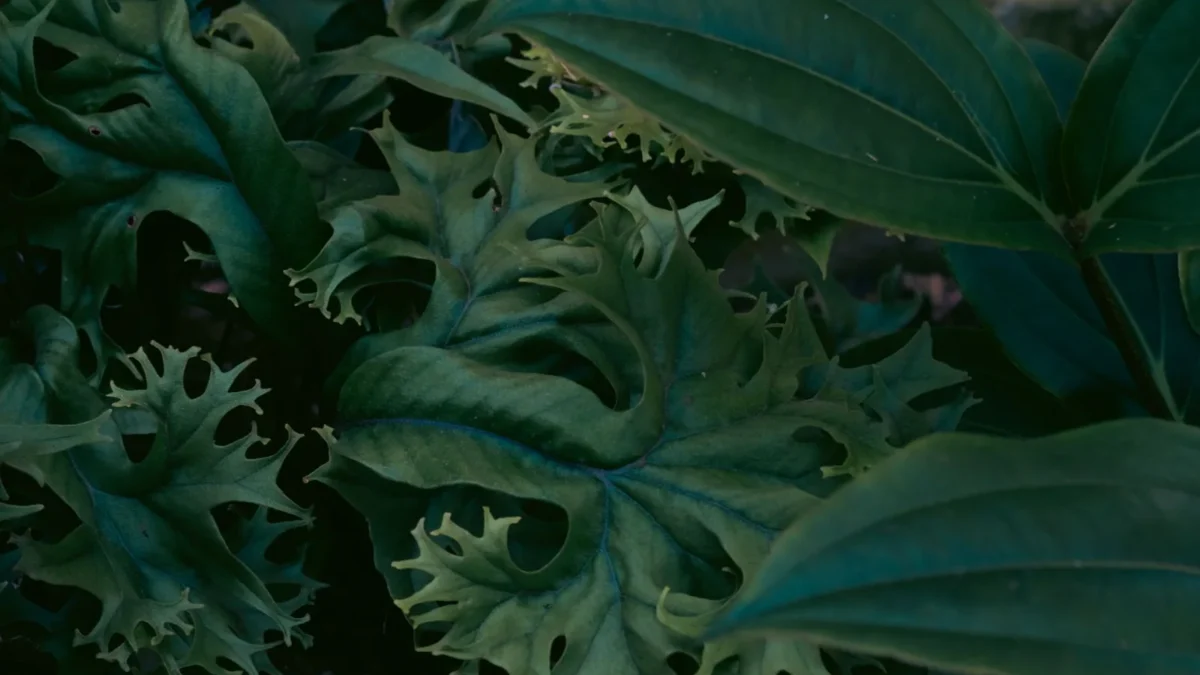
Quick answer: Fishbone cactus thrives in bright, filtered indirect light and should be kept away from strong midday sun, which can scorch its leaves. An east or west-facing window is ideal, where it receives gentle morning sun followed by bright ambient light throughout the day. Poor light causes the plant to stretch into thin, stringy stems, while direct sun burns the foliage.
| Botanical name | Epiphyllum anguliger |
|---|---|
| Light | Bright, filtered indirect light; avoid strong midday sun which can scorch leaves |
| Watering | Water when top 1-2 inches of soil are dry; 1-2 times weekly in spring/summer; reduce in winter |
| Humidity | Moderate to high humidity; prefers 50-60%, tolerates as low as 40% |
| Temperature | 60-78°F (16-26°C) growing season; 50-60°F (10-16°C) in winter to encourage flowering |
| Soil | Peat-free cactus compost with added grit; potting soil, sand, and perlite mix |
| Feeding | Cactus fertilizer fortnightly spring to autumn, or 3-4 times during growing season |
| Size | 2-3 feet long; 0.5-1 metre height; 0.1-0.5 metre spread |
| Difficulty | easy |
Ideal Light Conditions for Fishbone Cactus
Your fishbone cactus is happiest in bright, filtered light because that’s how it grows in its native Mexican habitat—under the forest canopy. The plant wants plenty of brightness but filtered, never harsh direct rays.
An east or west-facing windowsill works best. East-facing is particularly good because it gets a few hours of gentle morning sun, then bright indirect light for the rest of the day. If you have a window that provides consistently bright but not directly lit conditions all day, that’s equally suitable.
Avoid positioning your plant in south-facing windows during summer months, and keep it away from very bright spots that receive intense midday sun—these conditions scorch the leaves, causing browning.
What Happens in Low Light
Too little light creates a distinctive problem: your fishbone cactus will stretch rapidly, producing long, thin, stringy stems instead of the thick, zigzagged shape that gives it its name. The leaves and stems distort as they lean toward whatever light source is nearest. Beyond appearance, reduced light also slows growth and prevents flowering.
If your room is naturally dim, move the plant closer to a window or consider supplemental grow light positioned a few inches above the foliage. Even a few hours of bright indirect light daily makes a noticeable difference.
Seasonal Adjustments and Bright Light Issues
In spring and summer, when midday sun is strongest, watch for browning or yellowing leaves—a sign the plant is getting too much direct sunlight. In these months, you may need to filter strong afternoon light with a sheer curtain, or move the plant back from a window that becomes excessively sunny.
Winter poses the opposite problem: days are shorter and light is weaker, so the plant won’t suffer from sunburn. You can position it slightly closer to windows during winter without concern.
FAQ
Can fishbone cactus survive in low light?
It can survive for a short period, but it will weaken, stop growing normally, and produce weak stretching stems. This isn’t sustainable long-term—move it to brighter conditions.
What’s the difference between “filtered” and “indirect” light?
Filtered light has something (like a curtain, shade cloth, or tree leaves outdoors) between the sun and the plant, softening direct rays. Indirect light simply means the plant isn’t in the sun’s direct path, though it still receives strong ambient brightness.
Should I use a grow light if my home is dark?
Yes, a grow light positioned a few inches above the plant and left on for 12–14 hours daily can support healthy growth in dim rooms, especially during winter months.
Read the full guide: Fishbone Cactus Care: The Complete Growing Guide
More about Fishbone Cactus
The same problem in other plants
- Pothos Light Requirements: How Much Light Does It Need
- What Light Does Echeveria Need to Thrive?
- Orange Bird of Paradise Light Requirements: Sun, Indoor Placement, and Window Direction
- What Light Does Monstera Siltepecana Really Need?
Sources
- Epiphyllum Anguliger Care: Complete Guide
- Fishbone Cactus Care: Light, Watering & Bloom Tips
- Fishbone Cactus: A Complete Care Guide
Photo: Kaiya Inouye / Pexels, Pexels