Philodendron Micans Philodendron hederaceum var. micans
How to Care for a Philodendron Micans: Light, Water, and Growth
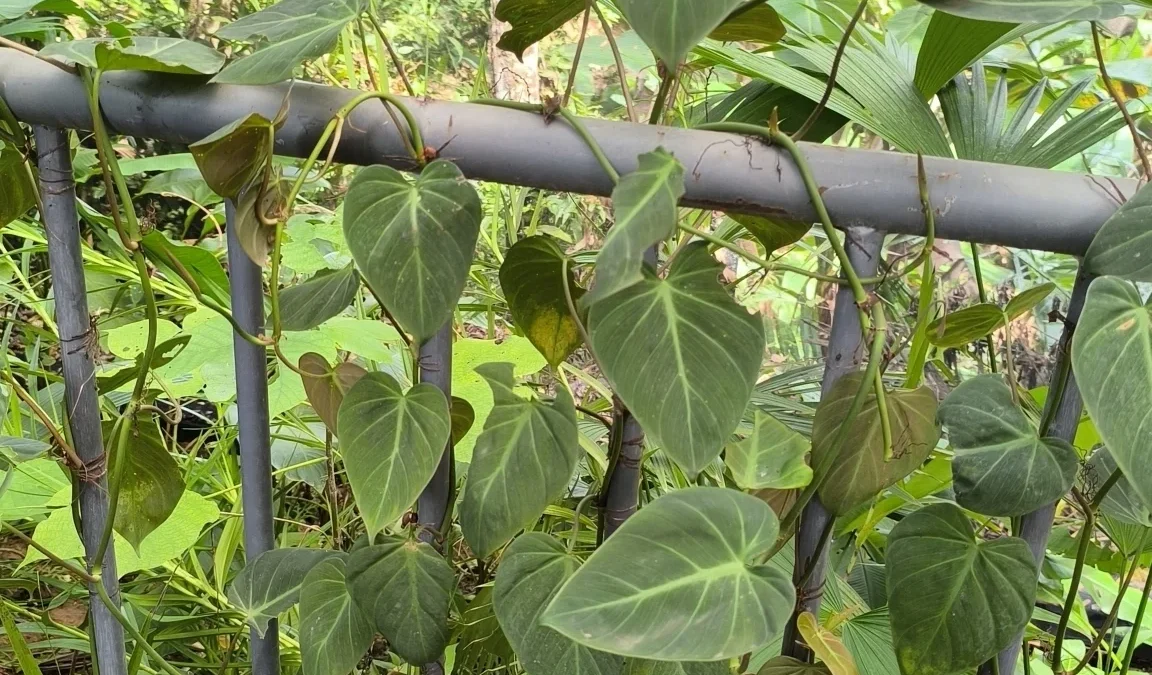
Philodendron Micans is an easy-to-grow trailing houseplant that thrives indoors with the right care. This guide shows you exactly how to care for a Philodendron Micans, from choosing the right light conditions to watering schedules, humidity levels, and troubleshooting common issues. With straightforward requirements, even beginners can keep this beautiful velvety-leafed plant healthy and vibrant.
Philodendron Micans at a glance
| Botanical name | Philodendron hederaceum var. micans |
|---|---|
| Light | Bright indirect light; 200-400 foot-candles for 8-12 hours daily; avoid direct sun |
| Watering | Water when top 1-2 inches of soil are dry; every 7-10 days spring/summer, 10-14 days fall/winter |
| Humidity | 50-70% relative humidity preferred |
| Temperature | 65-80°F; keep above 59°F minimum |
| Soil | One-third peat-free potting soil, one-third perlite, one-third orchid bark |
| Feeding | Liquid houseplant fertilizer monthly April to September; stop in winter |
| Size | Vine; much smaller indoors due to container constraints |
| Difficulty | easy |
Key points
- Provide 200–400 foot-candles of bright indirect light for 8–12 hours daily; too little light causes leggy stems, while direct sun can burn foliage
- Water when the top 1–2 inches of soil are dry (every 7–10 days in spring/summer, 10–14 days in fall/winter); never let the plant sit in water
- Maintain 50–70% humidity and temperatures between 65–80°F, keeping the minimum above 59°F
- Use a chunky aroid soil blend: one-third peat-free potting soil, one-third perlite, one-third orchid bark
- Fertilize monthly April to September; stop feeding in winter
- Easily propagated from stem cuttings in water or soil within 2–4 weeks
Light Requirements for Philodendron Micans
Bright indirect light is essential for healthy Philodendron Micans growth. The plant needs 200 to 400 foot-candles of bright indirect light for 8 to 12 hours daily. This means placing it near an east-facing or north-facing window, or a few feet away from a south-facing one, where it receives consistent light without direct sun exposure.
Light directly influences both growth and leaf color. In bright conditions, your Micans will display its signature reddish-bronze and maroon tones. If your plant gets a lot of light, it will typically have red or maroon leaves. In low light, it will turn dark green. However, understanding what constitutes “too much” light matters: red color alone is not a sign of distress. Red leaves are not automatically a sign of sun stress; color alone is not enough to diagnose problems. A healthy bronze-red leaf can simply be normal Micans pigmentation.
If your Micans doesn’t receive enough light, stems become spindly. In low light areas the plant may not exhibit a good level of vibrant growth or the velvety leaf coloration. Conversely, direct sun exposure can damage the foliage. Leaving Philodendron Micans in direct sun can lead to leaf burn and a leggy appearance. Philodendron micans grown as houseplants can get too much light when the seasons change, so move your plant to another indoor spot if needed.
The good news is that Philodendron Micans is relatively shade-tolerant. A lower-light Micans may remain healthy for a long time, especially because Philodendron hederaceum is relatively shade tolerant. However, long-term growth will slow without adequate bright light.
Watering Your Philodendron Micans
Watering is straightforward once you understand the plant’s needs. Water when the top 1 to 2 inches of substrate are dry to the touch, which typically occurs every 7 to 10 days in spring and summer and every 10 to 14 days in fall and winter. Adjust frequency based on your home’s temperature, humidity, pot size, and soil mix—these factors all affect how quickly soil dries.
The key principle is avoiding both extremes. Allow the surface of the compost to become just dry before thoroughly watering; avoid plants sitting in water which can cause roots to rot. Standing water is the leading cause of root rot, which triggers yellowing leaves and declining health. Always use pots with drainage holes and empty saucers after watering.
Your plant will signal when it needs water. When a Philodendron micans needs water, it curls its leaves slightly. This subtle sign gives you a few days to water before any damage occurs. Curling leaves can also indicate underwatering or root rot in established plants.
Humidity and Temperature
Philodendron Micans prefers relative humidity levels of 50–70%. This preference for moderate to high humidity makes it well-suited to bathrooms and kitchens, where moisture naturally accumulates. If your home is dry—especially during winter heating season—consider grouping plants together, setting them on pebble trays filled with water, or using a humidifier.
Temperature matters too. Philodendron micans thrives at temperatures between 65 and 80 degrees Fahrenheit with relative humidity of 40 to 60 percent; keep minimum temperature above 59 degrees Fahrenheit. Avoid placing your plant near cold drafts, heating vents, or air conditioning units, as sudden temperature swings stress the plant. This plant does well in all normal household temperatures and appreciates extra humidity.
Soil and Repotting
Soil quality directly affects drainage and root health. The best soil mix is a chunky aroid blend designed to mimic the plant’s natural rainforest habitat. The best soil mix is a chunky aroid blend of one-third peat-free potting soil, one-third perlite, and one-third orchid bark by volume. This mix maintains 30 to 40 percent air-filled porosity and drains within 30 seconds. This fast drainage prevents waterlogging while providing enough structure to hold moisture and nutrients.
Repot your Philodendron Micans every 2–3 years. Spring is the ideal time, just as new growth emerges. Choose a pot only slightly larger than the current one—no more than 1 to 2 inches wider—to avoid excess soil that stays wet and encourages root rot. Ensure the new pot has drainage holes.
Feeding and Fertilizer
Fertilizing supports vigorous growth during the active growing season. Apply a liquid houseplant fertiliser monthly during April to September; water less frequently in winter when growth slows right down, and stop feeding until the spring. A balanced, diluted liquid fertilizer works well; follow label instructions and avoid over-fertilizing, which can damage roots and cause salt buildup in the soil.
In winter, when growth naturally slows, the plant requires no supplemental nutrients. Resume feeding in spring when you see new leaves emerging.
Pruning and Shaping
Philodendron Micans is a trailing plant that doesn’t require extensive pruning. Minimal pruning needed, but pruning can promote fuller growth. To encourage bushier, fuller growth rather than long trailing stems, pinch trailing stems to promote bushier growth. Simply remove the growing tip of each stem, which redirects energy into lateral bud growth.
Pruning also serves practical purposes: removing dead, yellowed, or damaged leaves keeps the plant looking neat and improves air circulation. Make cuts just above a node (the bumpy point on the stem where leaves attach) using clean scissors.
Propagation Methods
Philodendron Micans is one of the easiest houseplants to propagate. Philodendron micans is easily propagated from stem cuttings. It is one of the easiest aroids to propagate, and new plants can be produced reliably through stem cuttings. Both water propagation and soil propagation are highly successful with this species. Philodendron Micans propagation is best done in the spring or summer when the plant is actively growing.
Water Propagation
Water propagation is the easiest method for beginners. Take healthy stem cuttings with at least 2–3 nodes and one leaf. Take a cutting with at least 2–3 nodes and one leaf, remove any leaves that would sit in water, and place in a jar of clean water or in a moist propagation mix of perlite and coco coir. Roots typically develop within 2–4 weeks in warm, bright conditions.
Change the water every few days to prevent bacterial growth. If you propagate in water, refresh the water every week or so and water the roots grow. After several weeks, you can transfer to soil and keep the soil moist as the water roots are converting to soil roots.
Soil Propagation
Soil propagation works equally well and may be preferable if you’re concerned about water quality. Take a healthy stem with at least a few nodes, making the cut just below a node. Remove the leaves from the bottom half of the cutting and place them in either tepid water or light soil that you have moistened. If you use soil, you can dip the cut end in rooting hormone and place the pot in a plastic bag to hold in humidity.
Single-Node Cuttings
For maximum propagation efficiency, single-node cuttings work reliably. The plant propagates readily from single-node cuttings in water or sphagnum moss within 2 to 4 weeks. When propagating in sphagnum moss, take a single-node cutting with one leaf and one aerial root, place it in moist sphagnum moss inside a clear propagation box, and maintain 70 to 80 percent humidity with bright indirect light.
Common Problems and Solutions
Yellowing Leaves
Yellowing leaves are most commonly caused by overwatering or root rot. Check that your pot has drainage holes and you’re allowing the soil surface to dry slightly between waterings. If roots are dark and mushy, root rot has developed and you may need to repot with fresh soil or propagate healthy stems.
Leggy Stems
Excessively long stems with sparse foliage indicate insufficient light. If it’s getting extra-leggy between leaves, that can be a sign of not enough light. Move the plant closer to a bright window or provide supplemental grow lighting. Pinching stem tips will also encourage fuller, bushier growth.
Curling Leaves
Curling leaves signal either underwatering or root rot. Curling leaves on Philodendron micans indicate underwatering or root rot, while yellowing leaves signal overwatering, nutrient deficiency, or sudden light changes. Check soil moisture and adjust your watering routine accordingly. If the problem persists despite correct watering, inspect roots for rot.
Pests and Leaf Spots
While generally pest-resistant indoors, Philodendron Micans can attract common houseplant pests. Watch for aphids, spider mites, mealybugs and scale. Leaf spots may occur. Spray affected foliage with neem oil or insecticidal soap, and isolate the plant from others to prevent spread. Ensure good air circulation and avoid overwatering, which creates conditions favoring fungal issues.
FAQ
Is Philodendron Micans toxic to pets?
Philodendron micans is toxic to cats and dogs. All Philodendron species contain insoluble calcium oxalate crystals that cause oral irritation, excessive drooling, vomiting, and difficulty swallowing if chewed or ingested. The plant is not lethal in small quantities but requires veterinary attention for significant exposure. Keep the plant out of reach of pets or choose a pet-safe alternative if you have curious cats or dogs.
Why are my Micans leaves pink or red?
New leaves naturally emerge in reddish, bronze, or copper tones. When new leaves first emerge from their sheaths, they’re pinkish-red in color. As the leaves age, they turn deep green or greenish-bronze, depending on the light exposure. Intense pink coloring on commercial plants sometimes comes from ethylene treatment. Pink coloring on some plants comes from the hormone ethylene, which growers give to the plant to induce the hue artificially. Once new leaves form, they’ll emerge in their normal color, and the existing pink leaves will revert back to green over time.
How big do Philodendron Micans get?
As a vine, typical height is 10 to 20 feet outdoors in zones 11 to 12, with spread of 3 to 6 feet, but indoors it remains much smaller due to container constraints. Indoors, you can manage the size through pruning and pot selection, creating a trailing or climbing plant as desired.
Is Philodendron Micans difficult to grow?
In typical indoor settings, this is an easy-to-grow indoor plant. It tolerates various light conditions, recovers quickly from watering mistakes, and propagates reliably. This makes it ideal for beginners and experienced plant parents alike.
What’s the difference between Philodendron Micans and other Philodendrons?
Philodendron hederaceum var. hederaceum, family Araceae. The old botanical name Philodendron micans is now considered a synonym. The velvety leaf texture, compact growth habit, and vibrant reddish foliage distinguish it from larger upright Philodendron varieties like the Philodendron Brasil or Heartleaf Philodendron.
When should I fertilize my Philodendron Micans?
Apply a liquid houseplant fertiliser monthly during April to September; water less frequently in winter when growth slows right down, and stop feeding until the spring. Fertilizing during dormancy can damage roots and create toxic salt buildup in the soil.
More about Philodendron Micans
Sources
- Philodendron Micans Care: The Complete Velvet-Leaf Guide
- Philodendron Micans Care Guide
- Philodendron hederaceum – Plant Finder
Photo: miguelj_lengua / iNaturalist, CC BY 4.0