Philodendron Micans Philodendron hederaceum var. micans
Why Are My Philodendron Micans Leaves Turning Red?
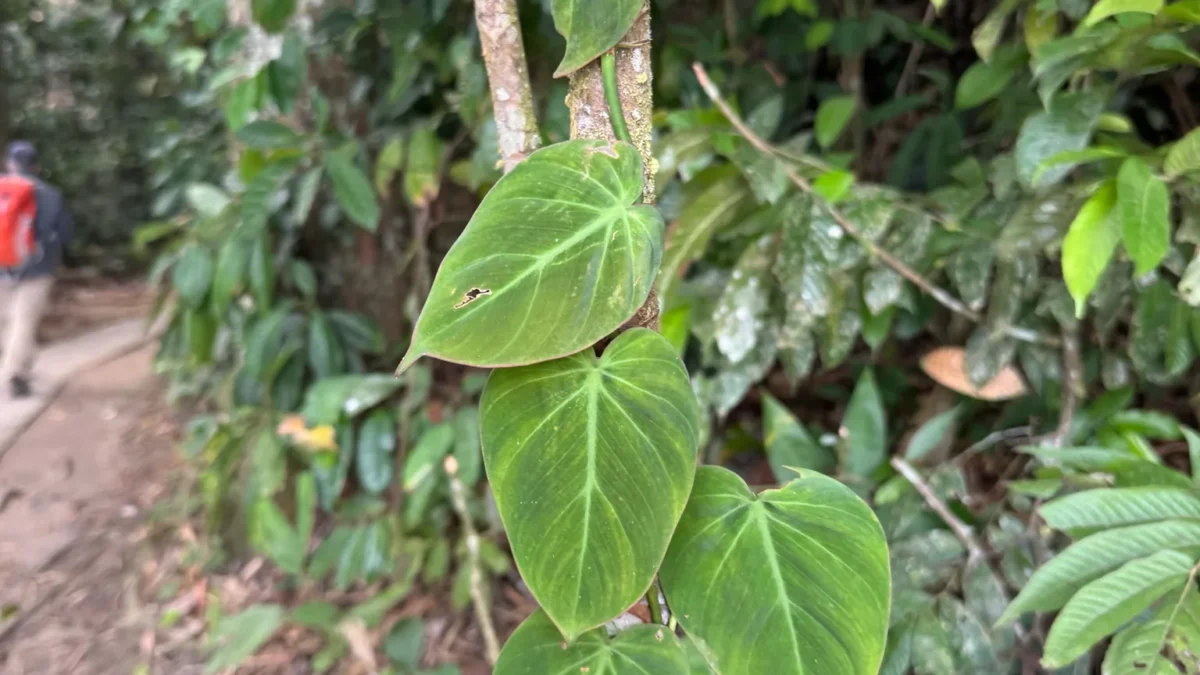
Quick answer: Red and pink leaves on your Philodendron Micans are usually completely normal—new leaves naturally emerge in copper, bronze, pinkish-red, or maroon tones as part of their life cycle. However, sudden or widespread color changes combined with other symptoms may indicate a light or watering problem worth investigating.
Philodendron Micans at a glance
| Botanical name | Philodendron hederaceum var. micans |
|---|---|
| Light | Bright indirect light; 200-400 foot-candles for 8-12 hours daily; avoid direct sun |
| Watering | Water when top 1-2 inches of soil are dry; every 7-10 days spring/summer, 10-14 days fall/winter |
| Humidity | 50-70% relative humidity preferred |
| Temperature | 65-80°F; keep above 59°F minimum |
| Soil | One-third peat-free potting soil, one-third perlite, one-third orchid bark |
| Feeding | Liquid houseplant fertilizer monthly April to September; stop in winter |
| Size | Vine; much smaller indoors due to container constraints |
| Difficulty | easy |
| What you see | Likely cause | What to do |
|---|---|---|
| New leaves emerge pink or red, then darken to green or bronze | Normal maturation | No action needed; this is healthy growth |
| Vibrant red or burgundy leaves throughout the plant | Bright indirect light (intentional) | Maintain current light levels if you like this color |
| Leaves turning pale green or losing red tone | Insufficient light | Move plant closer to a window; aim for 200–400 foot-candles of bright indirect light for 8–12 hours daily |
| Pale pink or red leaves that came with the plant, fading to green | Artificial pink coloring (ethylene treatment) | Completely normal; new growth will show true colors |
| Red leaves with brown crispy edges or leaf scorch marks | Direct sun exposure | Move to bright indirect light; avoid full sun |
| Red leaves with soft stems, yellow patches, or musty smell | Overwatering or root rot | Check soil moisture and drainage; water only when top 1–2 inches of soil are dry |
Natural red and pink coloring
Your Philodendron Micans leaves naturally emerge pink-bronze and mature to purplish-bronze and dark green. This color shift is completely normal and happens as the leaf develops. A red Micans leaf is often simply a sign of healthy, active growth.
The amount of red or burgundy pigmentation your plant displays depends partly on light. If your plant gets plenty of bright indirect light, it will typically have more red or maroon leaves. In lower light conditions, it will shift toward dark green. Neither is wrong—it’s just how the plant adapts.
When pink or red indicates a problem
Red color alone is not proof that something is wrong. However, if red leaves appear alongside other changes—such as spindly stems, slow growth, or yellowing—you may need to adjust care.
Insufficient light: If your plant’s red tones fade to pale green and stems become spindly or leggy, it’s not getting enough light. Move it closer to a bright window and ensure it receives 200–400 foot-candles of bright indirect light for 8–12 hours daily.
Too much direct sun: Direct sunlight can burn the foliage and create an unhealthy appearance. If leaves look scorched or papery alongside the red color, move your plant to a spot with bright, filtered or indirect light instead.
Artificial pink from the grower: Some Philodendron Micans are treated with ethylene hormone before sale to create pink leaves. Once new leaves form, they’ll emerge in their natural color, and the existing pink leaves will gradually revert to green over time—this is completely harmless.
Keeping your plant thriving
To maintain healthy foliage and the color tone you prefer, provide bright indirect light, water when the top 1–2 inches of soil are dry (typically every 7–10 days in spring and summer), and use a chunky aroid soil mix of one-third peat-free potting soil, one-third perlite, and one-third orchid bark. Avoid letting the plant sit in water, which causes root rot.
Read the full guide: Philodendron Micans Care: The Complete Guide
More about Philodendron Micans
The same problem in other plants
- Why Are My Ti Plant Leaves Turning Yellow?
- Why Are My Staghorn Fern Leaves Turning Yellow?
- Why Are My Ficus Audrey Leaves Turning Yellow?
- Why Are My Satin Pothos Leaves Turning Yellow?
Sources
- Philodendron Micans Care: Watering, Soil & Light Guide – Houseplants Nook
- Philodendron Micans Care: The Complete Velvet-Leaf Guide
- Philodendron hederaceum – Plant Finder
Photo: actuallyaxley / iNaturalist, CC BY 4.0