Monstera Monstera deliciosa
Monstera Root Rot: How to Spot It and Save Your Plant
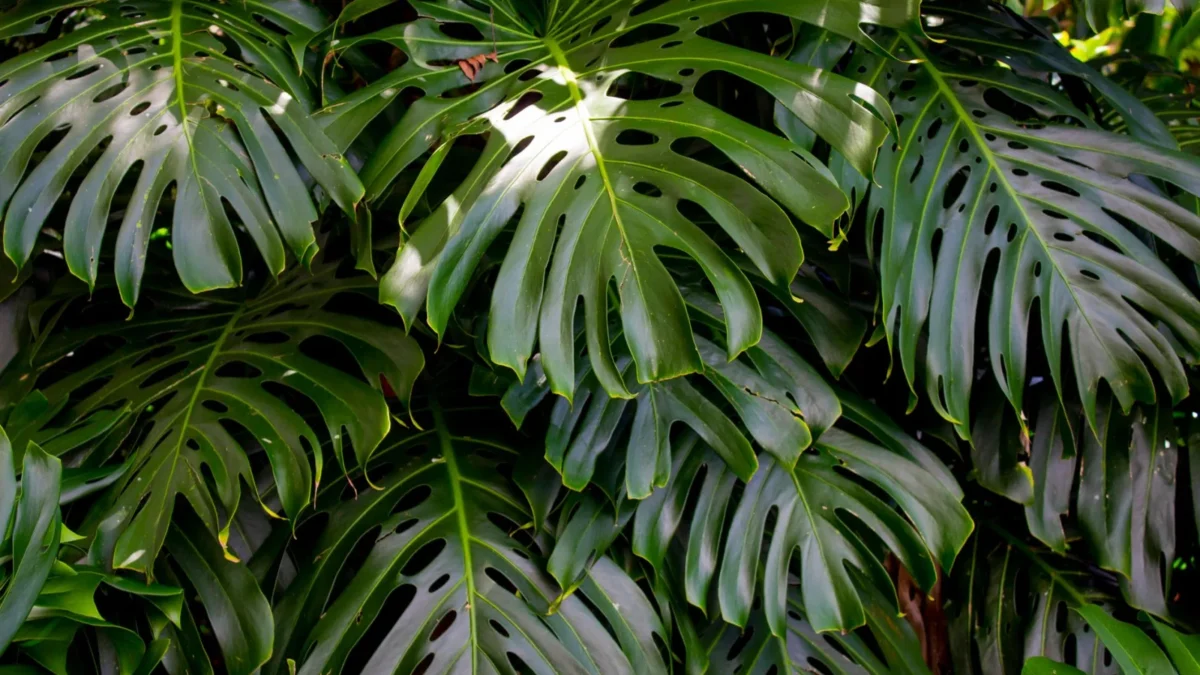
Quick answer: Dark brown or black spots on leaves and stems, mushy roots, and soil that stays wet are the main signs of monstera root rot. If you catch it early, trim the affected roots, repot into fresh, well-draining soil mix, and dial back your watering. The key is letting the soil dry out between waterings and using the right soil blend.
| Botanical name | Monstera deliciosa |
|---|---|
| Light | 6-8 hours bright indirect light daily; tolerates low light but grows faster in bright indirect conditions; avoid direct |
| Watering | Water when top 2-3 inches of soil are dry; every 1-2 weeks typically; summer 7-10 days, winter 2-4 weeks |
| Humidity | Above 50%; ideally 60% or higher; use pebble tray or humidifier; avoid misting |
| Temperature | 65-85°F (18-29°C); avoid temperatures below 55°F (13°C) and cold drafts |
| Soil | Well-draining, chunky mix with perlite and orchid bark; neutral to slightly acidic pH 5.5-7 |
| Feeding | Balanced water-soluble fertilizer every 2-4 weeks during spring and summer growing season |
| Size | Up to 8-10 feet tall indoors; leaves up to 2 feet wide |
| Difficulty | easy |
| Cats | ⚠️ toxic — Calcium oxalate crystals cause mouth irritation, drooling, vomiting |
| Dogs | ⚠️ toxic — Calcium oxalate crystals cause mouth irritation, drooling, vomiting |
Signs Your Monstera Has Root Rot
Root rot usually announces itself through the leaves before you even notice the roots. Dark brown or black spots or patches on your leaves are the most obvious tell. These often come with a yellow halo around them, particularly if the soil mix is wet. When you water too frequently, moisture fills the air spaces in the soil, leaving no room for oxygen. Without oxygen, the roots can’t absorb water or nutrients—and fungi take advantage of the soggy conditions, attacking the roots directly. As the rot spreads through the plant’s vascular system, discoloration moves into the stems and leaves.
Below the soil line, the roots themselves feel soft and mushy rather than firm and white. If you unpot the plant and the roots collapse or smell bad, root rot is well established.
How to Fix Monstera Root Rot
If your monstera is showing these signs, act quickly but calmly. Here’s what to do:
- Remove the plant from its pot and gently shake away the old soil so you can see the roots clearly.
- Using clean scissors, trim the soft, mushy roots. Keep any roots that are still firm and pale.
- Repot into fresh aroid mix—a blend of potting soil, perlite, and orchid bark—which drains well while keeping enough moisture for healthy roots.
- Allow the soil to dry completely before the next watering. After that, stick to your normal watering routine: water when the top 2-3 inches of soil have dried out, which typically falls around every 1-2 weeks.
- If soil has been consistently wet, ease back on watering frequency and ensure the pot has drainage holes.
In summer, most Monsteras need watering every 7–10 days. In winter, that stretches to every 2–4 weeks. The difference is that there’s less evaporation and the plant grows more slowly.
Preventing Root Rot From the Start
The best defense is understanding what your monstera actually needs. Monsteras are among the easier large tropical houseplants to grow well, provided you understand their watering preferences. Use the soak-and-dry method: water thoroughly until the soil is evenly saturated, then let it dry out before watering again. This mimics what the plant experiences in nature—a good drink followed by a dry-down period.
Monstera thrives in a chunky, well-aerated soil mix rather than standard potting soil. Standard potting soil is too dense and moisture-retentive for Monstera roots, which need excellent drainage and aeration. If you’re buying pre-made soil, look for blends marketed for aroids or orchids. If you’re mixing your own, a mix of 40% potting soil, 30% orchid bark, 20% perlite, and 10% compost keeps things light.
Check your pot’s drainage holes too. A beautiful pot without drainage is a root rot waiting to happen. And rather than watering on a fixed schedule, insert your finger into the soil up to the second knuckle—if the soil feels dry at this depth, it’s time to water. This one habit prevents far more problems than a calendar ever could.
The same problem in other plants
Sources
- florasense.com
- Monstera Deliciosa Care: The Complete Guide (2026)
- How Often to Water a Monstera (Research-Backed 2026)
Photo: Isi Parente / Pexels, Pexels