Jade Plant Crassula ovata
How to Save a Jade Plant from Root Rot
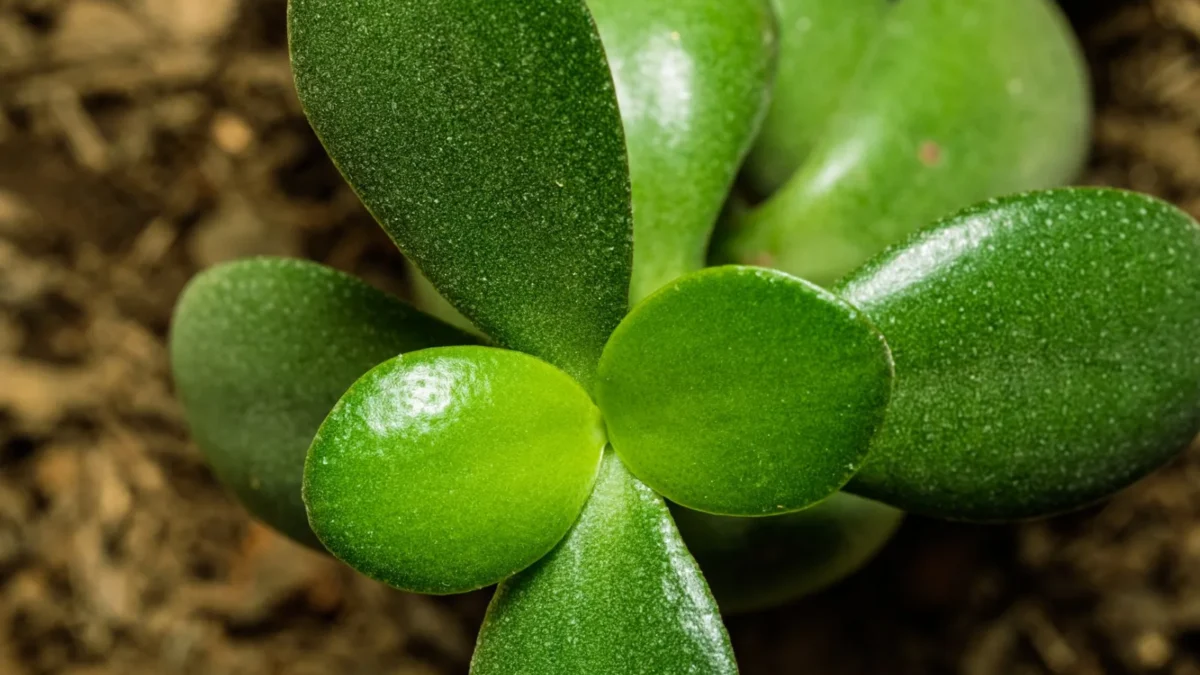
Quick answer: Root rot occurs when you overwater your jade plant or use soil that doesn’t drain well enough. To save it, remove the plant from its pot, cut away the black or mushy roots, disinfect the healthy ones, and repot in fresh cactus soil—then let the soil dry more thoroughly between waterings.
| Botanical name | Crassula ovata |
|---|---|
| Light | 4-6 hours bright indirect light; prefers some afternoon shade |
| Watering | Water when top inch of soil is dry; allow soil to dry between waterings |
| Humidity | Standard household humidity (30-50%); no misting needed |
| Temperature | 65-70°F; can tolerate down to 55°F at night; not frost tolerant |
| Soil | Well-draining succulent/cactus potting mix; slightly acidic pH around 6.0 |
| Feeding | Balanced 20-20-20 at one-quarter strength weekly or controlled-release at season start |
| Size | 18-30 inches tall indoors; can reach 3-6 feet in optimal conditions |
| Difficulty | easy |
| Cats | ⚠️ toxic — Contains bufadienolides; causes vomiting, depression, incoordination |
| Dogs | ⚠️ toxic — Contains bufadienolides; causes vomiting, depression, incoordination |
| What you see | Likely cause | What to do |
|---|---|---|
| Soft, wrinkled leaves; wilting stems that worsen over time | Root rot (most common) | Remove plant, inspect roots for black/mushy tissue, trim damage, disinfect, repot in fresh well-draining soil |
| Foul smell at the drainage hole; brown or black mushy roots | Active root rot | Act immediately: prune all rotten roots thoroughly, treat with bleach solution, replant in new soil |
| Wilted, shriveled leaves despite wet soil | Waterlogged roots deprived of oxygen | Reduce watering frequency; allow soil to dry between waterings; check pot has working drainage holes |
| Soft, translucent leaves; stems collapse | Advanced root rot (roots cannot absorb water) | Salvage healthy leaves or stem cuttings for propagation; plant rot may be too far gone to save |
Recognize Root Rot Early
Root rot from overwatering or poor drainage is the most serious problem jade plants face—infected stems wilt before falling off. The trouble is that early rot lives below soil where you can’t see it.
To check your plant, remove it from its pot and inspect the roots. Healthy roots are firm and light-colored. Rotted roots are black, brown, mushy, or smell sour and swampy. If you notice soft, wrinkled, or floppy leaves despite the soil being wet, root rot is likely the culprit.
How to Save Your Jade Plant from Root Rot
-
Remove the plant from its pot. Gently knock the plant free from the container and examine all roots.
-
Prune the rotten roots. Using clean scissors or pruning shears, trim away any black, brown, or mushy roots. Cut about 2 inches above the rotten area to ensure all diseased tissue is gone.
-
Disinfect the healthy roots. Mix one part bleach to nine parts water. Dip the remaining roots briefly in this solution, then rinse thoroughly with clean water.
-
Repot in fresh soil. Choose a pot with drainage holes in the bottom. Fill it with fresh cactus or succulent mix—never reuse old soil, as it may harbor pathogens.
-
Wait before watering. After repotting, allow the cuts to callus for 7 to 10 days and do not water during this time. This lets the plant recover and reduces infection risk.
Prevent Root Rot Going Forward
The single biggest cause of root rot is overwatering combined with poor drainage. Jade plants are adapted to dry climates and need very little water. Water only when the top inch of soil is dry; jade plants do best when soil is watered deeply and then allowed to dry thoroughly.
If you’re uncertain, water less rather than more. Make sure your pot has drainage holes and use a well-draining cactus or succulent mix. At least 4–6 hours of bright, indirect sunlight per day also helps your jade plant stay healthy and use water efficiently.
FAQ
Can I propagate from a jade plant with root rot?
Yes. If the stems are still firm and green, take healthy 5–10 inch stem cuttings, let them dry for a few days, and propagate in fresh cactus soil. You can propagate any time of year, but spring and summer offer faster rooting.
How often should I water my jade plant after saving it from root rot?
Water when the top inch of soil is dry, typically every 2–3 weeks depending on light and temperature. The top two inches should dry out before you add more water.
Is my jade plant toxic to pets if they nibble it?
Yes. Jade plants are toxic to both cats and dogs. Clinical signs of ingestion include vomiting, depression, and incoordination. Keep the plant out of reach of pets.
Read the full guide: Jade Plant Care: The Complete Guide
More about Jade Plant
The same problem in other plants
- Why Is Your Snake Plant Dying and How to Save It
- Does Your Monstera Have Root Rot? Signs and How to Fix It
Sources
- How To Diagnose and Treat Root Rot in Jade Plants
- How To Care For Jade Plants
- How do I save my jade plant from root rot? — causes + fix
Photo: Mario Spencer / Pexels, Pexels