Snake Plant Dracaena trifasciata
Why Is Your Snake Plant Dying and How to Save It
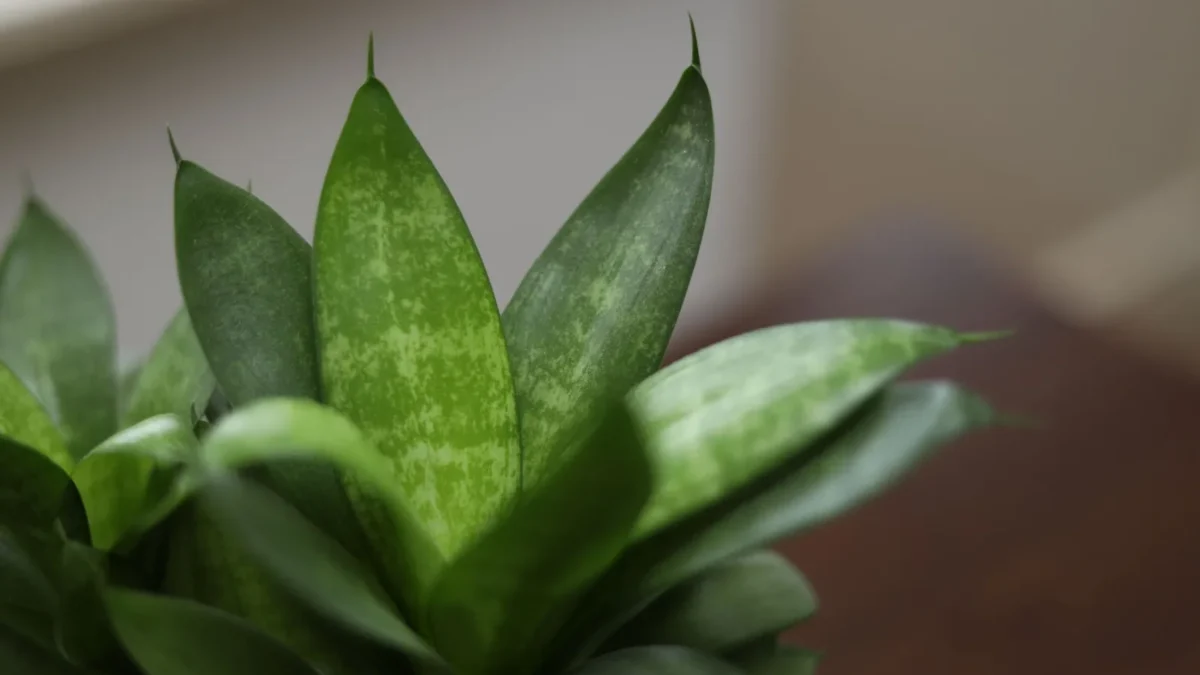
Quick answer: Your snake plant is most likely dying from overwatering, which causes root rot and yellowing leaves. The fix is simple: stop watering so frequently, repot into fresh soil, and trim away damaged roots. Snake plants need water only when the soil is completely dry— in spring and summer that’s roughly every 2 to 4 weeks, and every 6 to 8 weeks in winter.
| Botanical name | Dracaena trifasciata |
|---|---|
| Light | Moderate to bright indirect light; tolerates low light; 2-6 hours direct sun |
| Watering | Water when soil is 100% dry; every 2-4 weeks spring/summer, 6-8 weeks winter |
| Humidity | Average room humidity is ideal; no misting needed |
| Temperature | Thrives 70-90°F (21-32°C); tolerates around 50°F |
| Soil | Well-draining potting mix; potting soil, perlite, and sand mixture |
| Feeding | Once every two months during summer/growing periods; 2-3 times yearly |
| Difficulty | easy |
| Cats | ⚠️ toxic — Saponins cause nausea, vomiting, diarrhea in cats |
| Dogs | ⚠️ toxic — Saponins cause nausea, vomiting, diarrhea in cats |
Overwatering and root rot: the main killer
Overwatering is the most common reason a snake plant dies. These plants evolved in Africa to store water in their leaves, so they actually prefer to dry out between waterings. When soil stays wet, the roots can’t breathe and begin to rot, which stops them from delivering water and nutrients upward—even though the soil is soaking wet, the plant starves.
How to spot it: Yellowing typically starts at the base of leaves where they emerge from the soil and progresses upward. The leaves feel soft or mushy rather than firm and rigid. If you remove the plant from its pot and check the roots, healthy ones are white or yellow; rotting roots are dark brown and feel soft and mushy when touched.
To confirm overwatering, squeeze a yellowing leaf gently—if it releases moisture or feels waterlogged, that’s your diagnosis.
How to fix it: Repot the plant into fresh, well-draining potting mix. Trim away any dark, mushy roots with clean scissors. Place it in a container with drainage holes and let it dry out completely before watering again. Going forward, water only when the potting soil is 100% dry from top to bottom. Don’t let water pool in the center where the leaves form a cup, as this directly causes rot.
Poor light: a slower decline
Snake plants are famously tolerant of low light, but they thrive in moderate to bright indirect light. In dim corners, the plant doesn’t photosynthesize efficiently and growth slows dramatically. Leaves may also curl as a sign the plant is struggling.
Move your plant near an east or west-facing window where it receives 2 to 6 hours of direct sun per day. If that’s too bright and leaves are bleaching or turning pale, move it a few feet away from the window or use sheer curtains to filter harsh rays.
Curling leaves: underwatering and environmental stress
If your snake plant’s leaves are curling inward, underwatering is the most common cause. The leaves collapse along their center as water reserves deplete. Unlike overwatering, which yellows leaves at the base, underwatering simply dries them out.
Check the soil: if it’s bone-dry and hasn’t been watered in weeks, water it thoroughly until water drains from the bottom. The plant should recover within days.
Curling can also happen from too much direct sunlight (look for pale or lightened leaves alongside the curl), cold drafts from windows or hot air blasts from heating vents, or even excessive fertilizer. If your home is particularly dry during winter, that contributes too. Move the plant away from baseboard heaters and vents to stabilize temperature and humidity.
Saving a dying snake plant
Start by diagnosing which problem is happening. Check the roots and soil moisture first—if they’re mushy and dark, overwatering is the issue. If the soil is bone-dry, the plant is thirsty. If the light is dim and growth has stalled, move it closer to a window.
Once you’ve identified the cause, the fix is straightforward: adjust watering frequency, improve light, or move it away from temperature extremes. Snake plants are quite durable and difficult to kill, so even a struggling plant usually bounces back within 2–3 weeks of corrected care.
If the plant has lost all its roots, you can still save it by propagating leaf cuttings. Submerge 25% of a healthy leaf cutting in water and replace the water weekly; roots will form in about two months.
The same problem in other plants
Sources
- Snake Plant Care – How to Grow Dracaena trifasciata – Soltech
- Snake Plant Watering: How Often to Water & Saving Mushy Roots
- Why Are Snake Plant Leaves Curling?
Photo: Boris Hamer / Pexels, Pexels