Moth Orchid Phalaenopsis
Moth Orchid Care: The Complete Guide
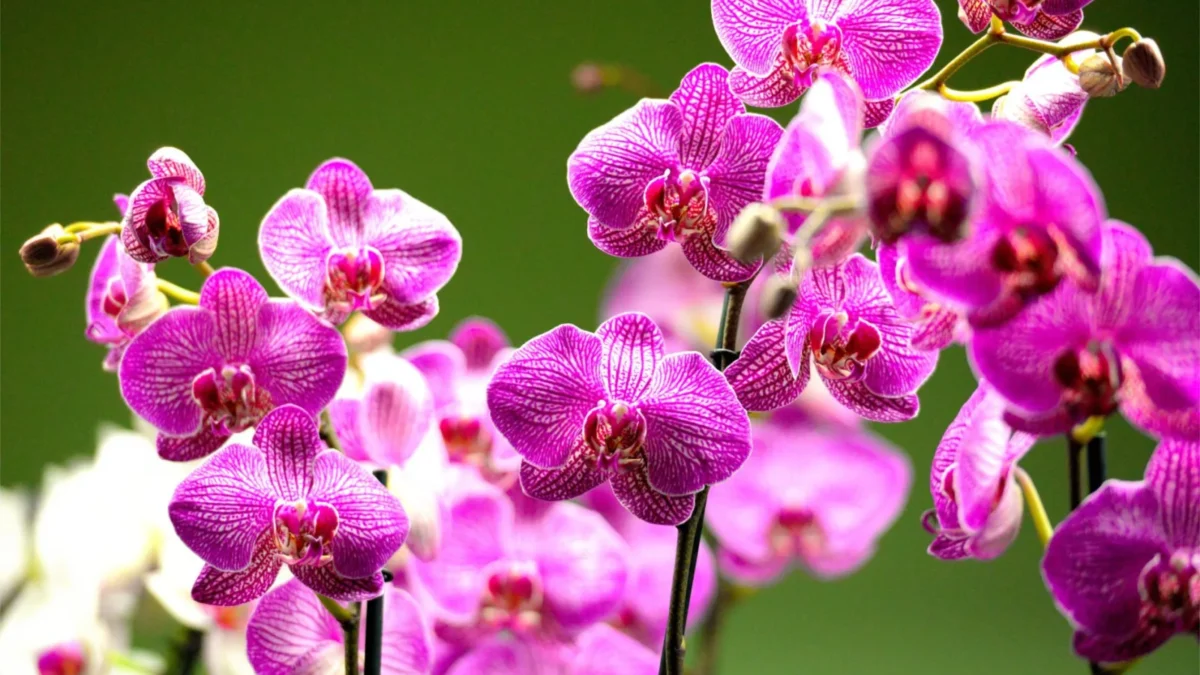
Moth orchids are among the easiest and most rewarding orchids to grow at home. If you’re new to orchids or already an experienced plant parent, understanding the fundamentals of moth orchid care will help you enjoy healthy plants and reliable blooming for years to come. This guide covers everything from light and watering to propagation and troubleshooting.
| Botanical name | Phalaenopsis |
|---|---|
| Light | Indirect light; bright light in winter; avoid direct sun |
| Watering | Every 7-10 days spring/summer, 12-18 days fall/winter when medium nearly dry |
| Humidity | 50% or higher; use pebble tray if needed |
| Temperature | 60-80°F day, 60s°F night; keep above 50°F |
| Soil | Bark-based orchid compost; medium grade bark with charcoal and perlite |
| Feeding | Balanced orchid fertilizer 20-20-20 at half strength weekly; quarter strength in winter |
| Size | 15 cm-1 m height; 20-30 cm width |
| Difficulty | easy |
| Cats | ✓ non-toxic |
| Dogs | ✓ non-toxic |
Key points
- Water every 7–10 days in spring/summer and 12–18 days in fall/winter when the medium is nearly dry; check root color and pot weight rather than following a calendar
- Provide bright indirect light year-round; position in east- or west-facing windows in winter to encourage flowering
- Maintain humidity of 50% or higher using a pebble tray if needed, with temperatures between 60–80°F by day and 60s°F at night
- Use bark-based orchid compost (medium grade) and fertilize weekly at half strength during growth, quarterly strength in winter
- Moth orchids are completely non-toxic to cats and dogs, though eating large quantities of any plant can cause mild stomach upset
- Propagate via keiki (natural plantlets) once they develop 2–3 roots, or by stem cuttings from leggy plants
Light Requirements for Moth Orchids
Moth orchids are low-light orchids and thrive in bright, indirect light. In winter, position them in bright light to encourage flowering; an east- or west-facing windowsill is ideal. If you must place your plant near a window with intense direct sun, protect it with a sheer curtain to prevent leaf damage.
You can tell if your plant is receiving the right amount of light by observing leaf color. Olive green foliage indicates correct light levels, while dark green foliage suggests insufficient light, and red-tinged leaves mean the plant is getting too much.
Watering Your Moth Orchid Correctly
When to Water
The most important watering rule: never follow a rigid calendar. Water your moth orchid only when the potting medium is nearly dry. This typically means watering every 7–10 days in spring and summer, and every 12–18 days in fall and winter, but the exact frequency depends on your home’s temperature, humidity, pot material, and the bark type in your compost.
To determine when to water, learn to read your orchid’s signals:
- Check root color by looking through clear plastic pots or by gently lifting the pot—silvery-green roots indicate the plant is dry, while bright green roots mean it’s still moist.
- Feel the pot’s weight—a dry pot feels noticeably lighter than a freshly watered one.
- Assess the bark texture—squeeze a small amount gently; truly dry bark crumbles, while moist bark holds together slightly.
Clear plastic pots retain moisture longer than clay, and bark dries faster than sphagnum moss, so adjust your watering schedule accordingly.
How to Water
Use room-temperature, low-mineral water such as rainwater, distilled, or filtered water. Drench the pot thoroughly until water flows freely from the drainage holes. After watering, discard all excess water from the saucer within 15 minutes—never let the plant sit in water.
Allow at least 15 minutes for complete drainage before returning the pot to its location.
A Critical Reality
Overwatering is the number-one cause of death in moth orchids; underwatering is far less common and much easier to reverse. When you overwater, roots rot and can no longer absorb nutrients and water, causing leaves to yellow and wilt. If you find roots are mushy and brown, you’ve been watering too much.
In contrast, occasional underwatering rarely kills a healthy moth orchid. The plant’s fleshy leaves and pseudobulbs store water reserves, and roots recover quickly once you rehydrate properly. If roots are shriveled, simply increase watering frequency.
Humidity and Temperature Needs
Humidity
Tropical moth orchids prefer humidity of 50% or higher. If your home’s humidity is below this level, create a pebble tray: place your potted orchid on a shallow tray filled with pebbles and water. Crucially, ensure the bottom of the pot sits above the water line—the pot must not touch the water, or roots will rot.
Temperature
Moth orchids are warm-growing orchids that prefer temperatures between 60–80°F during the day and in the 60s°F at night. The upper and lower limits are 95°F and 50°F respectively. Keep them above 50°F at all times, as these tender tropical plants cannot tolerate cold.
Temperature swings, improper light, and subpar humidity can cause leaves to droop. These orchids grow well in centrally heated rooms, making them ideal for most modern homes.
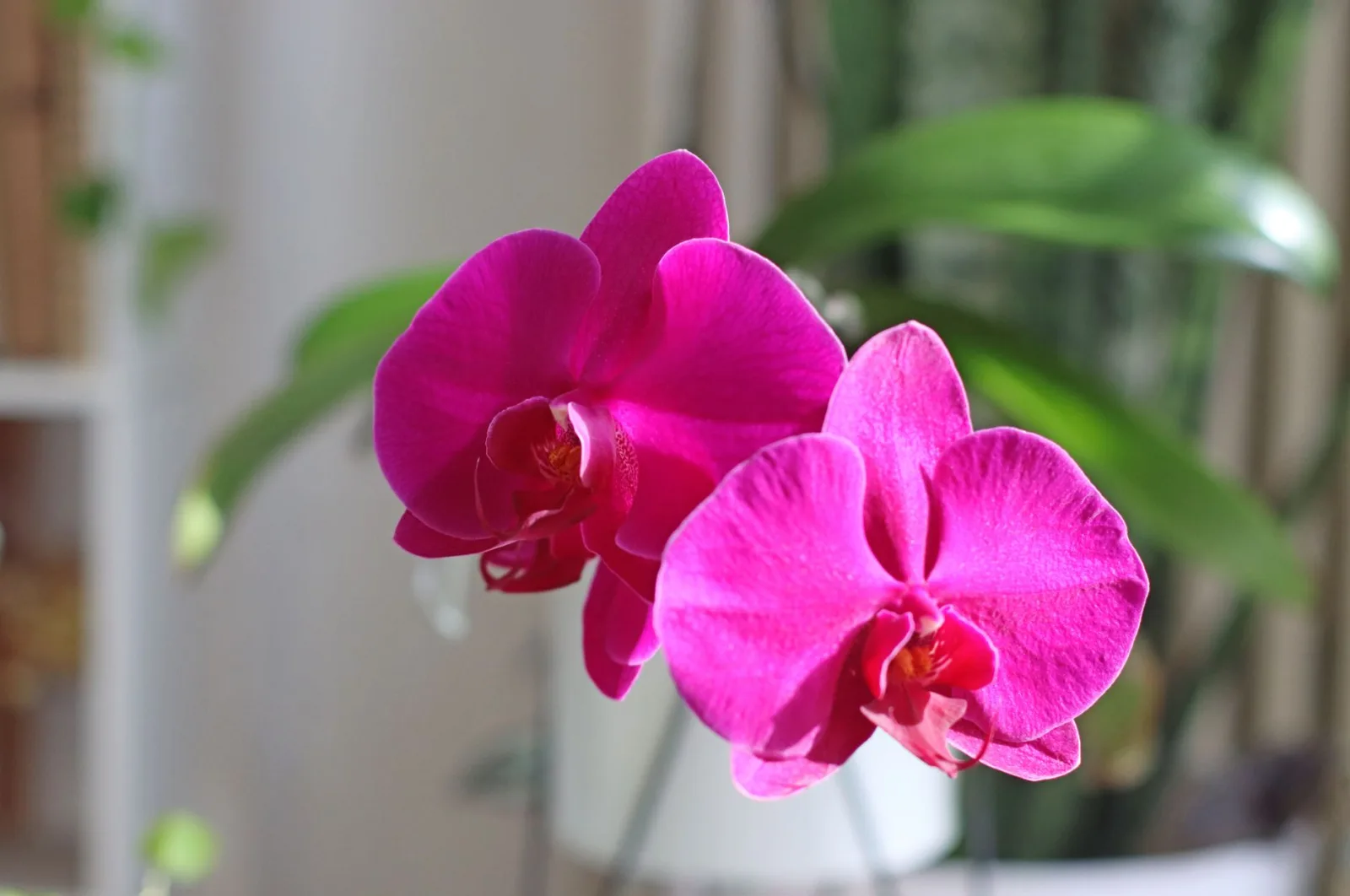
Soil and Repotting Guide
Choosing the Right Compost
Moth orchids must be planted in bark-based orchid compost. This compost is typically made from fir or sequoia bark and may include horticultural charcoal and perlite. For a mature moth orchid, use medium-grade bark size, which provides the right balance of drainage and air circulation around roots.
When to Repot
Repot your moth orchid when it outgrows its current container or when the bark breaks down and becomes compacted. Healthy plants typically don’t need repotting more than every 1–2 years. After repotting, an orchid may initially struggle to root well; roots may dry out, causing leaves to turn yellow, so maintain consistent moisture and humidity during the recovery period.
Fertilizing and Feeding
Fertilize your moth orchid once each week after watering, or three weeks out of four, using a balanced orchid fertilizer such as 20-20-20 at half strength—mix at half the concentration recommended on the label. During winter, reduce to quarter strength.
To prevent salt buildup from accumulated fertilizer, flush the pot thoroughly with clear water once a month. This is especially important if your water is hard or mineral-rich.
Pruning and Deadheading
Once the flowers have faded, cut the flowering stalk back to just above the second node (joint) visible beneath the spent flowers. A new flowering side shoot may develop from this node, extending your blooming period.
Moth orchids typically shed the bottom two or three leaves each year, which is completely normal. However, if you see yellowing leaves higher up on the plant or near the crown, this can signal stem or crown rot and requires investigation.
If a plant is large and healthy but stops producing flowers, reduce the temperature by about 5°C (8°F) for four weeks; a flower spike will usually develop as the plant responds to the cooler dormancy period.
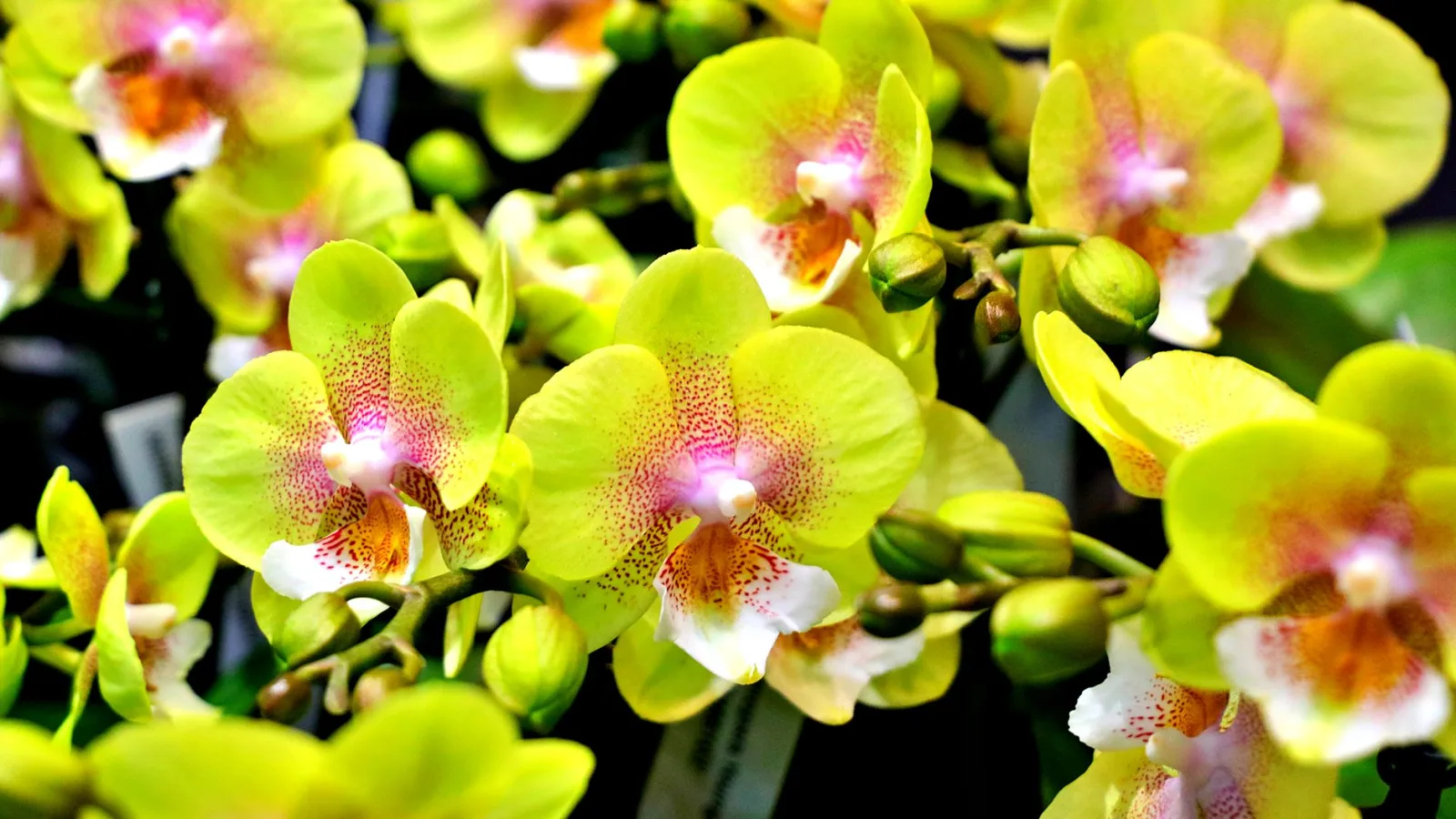
Propagation Methods
Propagation via Keiki (Natural Plantlets)
Moth orchids naturally reproduce by sprouting plantlets—called keiki—from nodes along the flower stem. These baby plants are identical clones of the parent and will eventually grow into full-sized flowering plants.
Here’s how to propagate from keiki:
- Wait until a keiki appears naturally and develops 2–3 roots measuring 2–3 inches (5–7 cm) long.
- Using a sharp, sterilized knife, remove the keiki by slicing between the stem and the plantlet, or by cutting the stem above and below the keiki’s attachment point.
- Plant the keiki in fresh orchid compost, filling the pot loosely to allow air circulation around the roots.
- Care for it as you would a mature plant, and spray finely with water until it becomes established.
Encouraging Keiki Production
You can encourage moth orchids to produce keiki by applying keiki paste (a specialist hormone preparation) to the nodes on spent flower stems. Follow the product instructions carefully, as timing and application matter.
Propagation via Stem Cuttings
If your moth orchid has become leggy with large patches of bare stem, stem cutting is an excellent way to rejuvenate the plant and create a new one.
- Locate a spot somewhere in the middle of the stem that has aerial roots.
- Use sanitized clippers to cut just below the aerial roots.
- Plant this section in a pot filled with orchid mix, burying the aerial roots and about an inch of stem in the medium.
- Place it in the same location as the parent plant and care for it as you would a mature specimen.
Note: flower stems cannot be used to grow new plants unless a keiki is already present.
Common Problems and Solutions
Yellowing Leaves
Yellowing leaves are usually caused by overwatering. Excess water causes roots to rot, preventing them from absorbing and transporting nutrients and water—the result is yellowing and wilting leaves. To fix this, adjust your watering schedule and ensure pots have adequate drainage. Yellow leaves on the bottom of the plant are normal shedding, but yellowing higher up or at the crown can signal stem or crown rot.
Other causes include exposure to direct sunlight (which can cause rapid sunburn with white patches and dark brown spots surrounded by yellow), temperatures that are too low, or fertilizer deficiency. Fungal or bacterial diseases also produce yellow spots that progress to overall yellowing, often accompanied by leaf, stem, and root rot.
Drooping or Wilting Leaves
Dropping leaves typically indicate either overwatering (causing root rot and nutrient deficiency) or underwatering and dehydration. Check root color to distinguish: mushy brown roots mean overwatering, while shriveled roots indicate underwatering. Temperature swings, poor light, and low humidity can also cause drooping.
Root Problems
Root health is critical. Once root tissue turns brown, mushy, and hollow—losing its crisp snap—the plant can no longer absorb water or nutrients. If roots are shriveled, you’re underwatering; if mushy, you’re overwatering. Cold temperatures shock moth orchids and cause root death, so always maintain temperatures above 50°F.
Bud Blast (Flower Buds Dropping)
Bud blast—when buds drop without opening into flowers—can result from changes in temperature, humidity, moisture, fertilizer, or plant location. Identify which condition changed recently and adjust it back to stable levels.
FAQ
How often should I water my moth orchid?
Water every 7–10 days in spring and summer, and every 12–18 days in fall and winter, when the potting medium is nearly dry. Always check root color and pot weight rather than following a calendar, since conditions vary by home.
What’s the best light for moth orchids?
Provide bright, indirect light year-round. In winter, position your plant in an east- or west-facing window to encourage flowering. Protect it from intense direct sun with a sheer curtain if necessary.
How do I know if my moth orchid is getting too much or too little light?
Olive-green leaves indicate correct light; dark green means too little light, and red-tinged leaves mean too much.
Are moth orchids toxic to cats and dogs?
No, moth orchids are completely non-toxic to cats, dogs, and horses. However, eating large quantities of any plant can cause mild stomach upset, so it’s best to keep orchids slightly out of reach. If your pet ingests an orchid treated with insecticides, fertilizers, or dyes, it may become sick, so keep chemically treated plants away from pets.
What humidity level do moth orchids need?
They prefer 50% humidity or higher. If your home is drier, use a pebble tray with water, ensuring the pot doesn’t touch the water itself.
How do I get my moth orchid to bloom again?
Cut the spent flower stalk just above the second node beneath the flowers, and a new side shoot may develop. If your plant is healthy but refuses to flower, reduce the temperature by about 5°C (8°F) for four weeks to trigger flowering.
More about Moth Orchid
Sources
- missouribotanicalgarden.org
- How to Water Orchids Phalaenopsis: Timing, Technique & Troubleshooting
- How to Water Phalaenopsis Orchids Properly – Plant Care
Photo: RODOLPHE ASENSI / Pexels, Pexels