Moth Orchid Phalaenopsis
How Often Should You Water a Moth Orchid
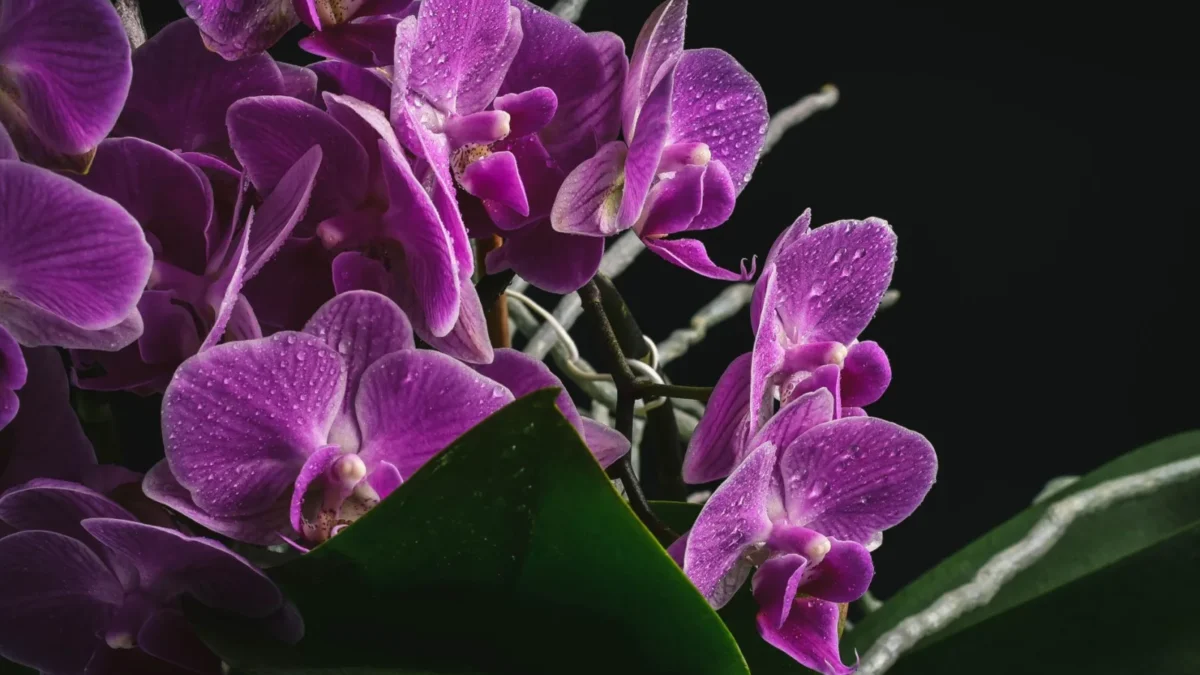
Quick answer: How often to water it? Water your moth orchid only when the potting medium is nearly dry—typically every 7–10 days in spring and summer, and every 12–18 days in fall and winter. Never follow a calendar; check the medium moisture level, observe root color, and adjust based on what your plant needs.
| Botanical name | Phalaenopsis |
|---|---|
| Light | Indirect light; bright light in winter; avoid direct sun |
| Watering | Every 7-10 days spring/summer, 12-18 days fall/winter when medium nearly dry |
| Humidity | 50% or higher; use pebble tray if needed |
| Temperature | 60-80°F day, 60s°F night; keep above 50°F |
| Soil | Bark-based orchid compost; medium grade bark with charcoal and perlite |
| Feeding | Balanced orchid fertilizer 20-20-20 at half strength weekly; quarter strength in winter |
| Size | 15 cm-1 m height; 20-30 cm width |
| Difficulty | easy |
| Cats | ✓ non-toxic |
| Dogs | ✓ non-toxic |
How to Tell When Your Moth Orchid Needs Water
The easiest way to know when to water a moth orchid is to look at the roots. Silvery-green root color indicates the medium is dry and it’s time to water; bright green roots mean the medium is still moist. This is far more reliable than guessing by feel or following a fixed schedule.
You can also check the potting medium directly—it should feel nearly dry before you water. Lift the pot: a lighter weight means it’s dry, while a heavier pot still holds moisture.
Watering Technique and Frequency by Season
In spring and summer, when your moth orchid is actively growing, water every 7–10 days. In fall and winter during dormancy, water less frequently—every 12–18 days.
When you do water, drench thoroughly until water flows freely from the drainage holes, using room-temperature, low-mineral water like rainwater, distilled, or filtered water. This is crucial: allow complete drainage for at least 15 minutes and discard all excess from the saucer. Never let your moth orchid sit in standing water, or the roots will rot.
Pot type and potting medium affect how fast moisture dries. Clear plastic pots retain moisture longer than clay, so you may need to water less often. The bark-based orchid compost your moth orchid needs dries faster than sphagnum moss would.
Why Watering Matters
Overwatering is the #1 cause of death in moth orchids. Too much water causes roots to rot, and those damaged roots can no longer absorb and transport nutrients and water, so leaves turn yellow and wilt. Underwatering is far less common and much easier to reverse. If you accidentally underwater, your moth orchid’s fleshy leaves and roots recover quickly when you rehydrate properly.
FAQ
What if my moth orchid’s leaves are drooping?
Drooping leaves usually mean either overwatering (which causes root rot) or dehydration from underwatering or root death. Check the roots: shriveled roots mean you’re watering too little; mushy, brown roots mean you’re watering too much. Adjust accordingly, and watch for recovery over the next few weeks.
Can pot type change how often I water?
Yes. Clear plastic pots hold moisture longer than clay, so you may water less often. With a plastic pot, check the medium and roots more carefully before watering to avoid overwatering.
Is occasional underwatering dangerous?
No. Occasional underwatering rarely harms a healthy moth orchid because its fleshy leaves and roots store water reserves. When you rehydrate, the plant bounces back. Overwatering, however, is much harder to recover from.
Read the full guide: Moth Orchid Care: The Complete Guide
More about Moth Orchid
The same problem in other plants
- How Often Should You Water a Money Tree?
- How Often Should You Water Dracaena Marginata?
- How Often to Water Hoya Carnosa: The Right Watering Schedule
- How Often Should You Water Aloe Vera?
Sources
- How to Water Orchids Phalaenopsis: Timing, Technique & Troubleshooting
- How to Water Phalaenopsis Orchids Properly – Plant Care
- 6 Reasons Your Orchid Leaves Are Turning Yellow, and How to Save Your Plant
Photo: Grzegorz Sękulski / Pexels, Pexels