Nerve Plant Fittonia albivenis
Nerve Plant Care: The Complete Guide to Growing Fittonia Indoors
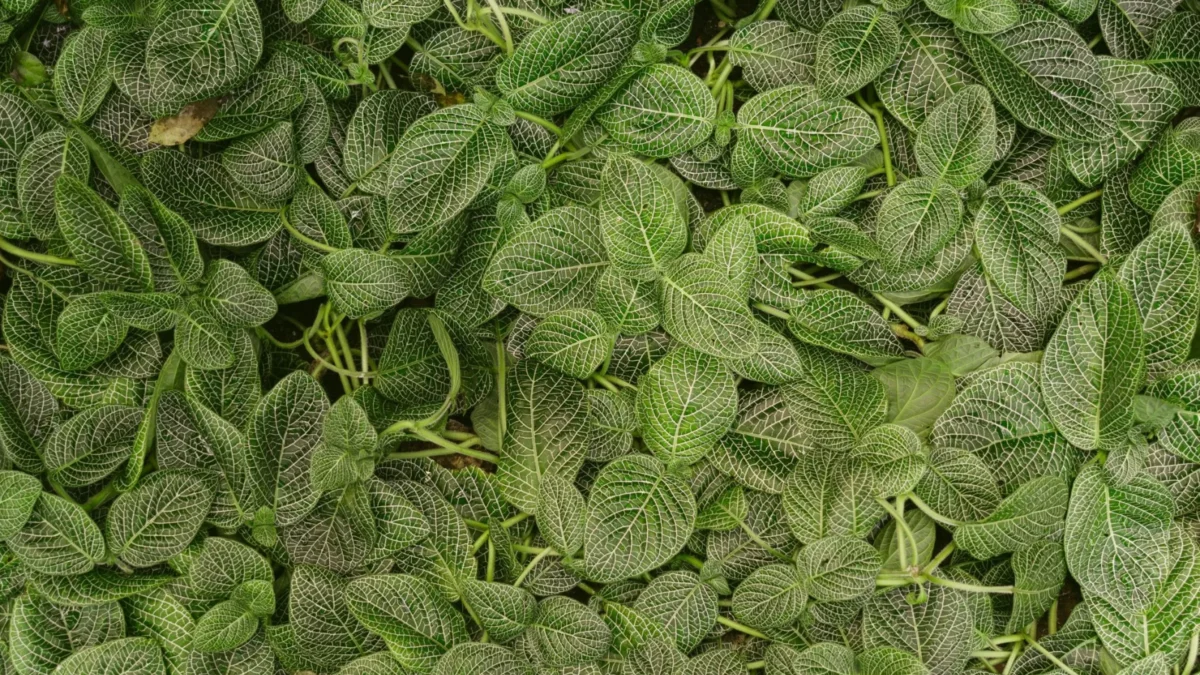
Nerve plant care is straightforward once you understand what these striking houseplants need: bright indirect light, consistently moist (but not waterlogged) soil, and high humidity. Known botanically as Fittonia albivenis and belonging to the Acanthaceae family, nerve plants are prized for their delicate, colorful foliage with distinctive veining. This guide covers everything you need to keep your nerve plant thriving, from daily care to solving common problems.
| Botanical name | Fittonia albivenis |
|---|---|
| Light | bright indirect light; east or north window; avoid direct sun |
| Watering | water when top inch of soil is dry; every 7-10 days; keep evenly moist |
| Humidity | above 50%; high humidity required; mist regularly or use pebble tray |
| Temperature | 60-85°F (15-29°C); keep above 17°C (63°F); avoid cold drafts |
| Soil | peat-free moisture retentive houseplant compost with perlite, bark or coco coir |
| Feeding | liquid houseplant fertilizer every 4-6 weeks late spring through early autumn |
| Size | 8 inches tall; spreads to fill 1.5 feet area |
| Difficulty | demanding |
| Cats | ✓ non-toxic |
| Dogs | ✓ non-toxic |
Key points
* Keep nerve plants in bright indirect light (east or north windows); direct sun scorches leaves within an hour
* Water when the top inch of soil feels dry, typically every 7–10 days; keep soil evenly moist but never waterlogged
* Maintain humidity above 50% through misting or a pebble tray—high humidity is essential for this species
* Keep temperatures between 60–85°F (15–29°C) and away from cold drafts
* Use well-draining, peat-free compost mixed with perlite, bark, or coco coir
* Nerve plants are non-toxic to dogs, cats, and horses
Light Requirements for Nerve Plants
Nerve plants need a bright position out of direct sunlight. The ideal location is bright indirect light in an east or north window, or dappled part sun. Medium light between 250 and 1000 lux supports compact growth and vivid leaf coloration.
Keep them out of direct sun to ensure the leaves don’t scorch. Even an hour of direct midday or afternoon sun will bleach and burn the leaves almost immediately, with the veining fading to a washed-out pale and the edges turning crispy brown. Too much direct sunlight and the leaves curl up, trying to hide from the sun.
Morning sun from an east window before 10am is usually fine and can actually perk the plant up. Good indirect light keeps the veining vivid and the growth compact; too little light and the plant stretches, with increased spacing between leaf nodes and dulled color contrast.
Spindly or leggy growth is often caused by a lack of sunlight. If you don’t have a spot with brighter light, try placing your nerve plant under grow lights, and pinch off the leggy growth to encourage a fuller, bushier shape.
Watering Your Nerve Plant Correctly
The soil should be kept evenly moist but not waterlogged; water when the top inch of soil feels dry to the touch. On average, expect to water nerve plants every 7 to 10 days. Consistency matters—you shouldn’t let the soil dry out completely or become oversaturated.
Lack of water can cause leaves to droop or wilt; however, they usually perk up quickly after thorough watering. Sudden complete collapse of stems and leaves (the “faint”) occurs in nerve plants; if the soil is dry, water immediately and the plant should recover within 30 minutes.
Bottom watering works beautifully for Fittonia: set the pot in a shallow tray of water for 15–20 minutes and the soil will wick up what it needs. This method reduces the risk of overwatering.
Always apply liquid fertilizer to soil that is already moist. Applying to dry soil concentrates salts right at the root tips and can cause leaf edges to turn brown; water first, then feed.
Humidity and Temperature Needs
Nerve plants prefer humidity levels above 50%. These plants are best kept in a bathroom or terrarium where naturally higher humidity occurs. Nerve plants need higher than average humidity to thrive; anything less can cause not only brown and crispy leaves, but the plant can even lose leaves.
Increasing Humidity
Misting your nerve plant’s leaves with a spray bottle every few days is one of the best ways to consistently increase humidity. Another effective method is to set the potted plant on a wet pebble tray; as the water evaporates, add new water as needed. You can also use a small humidifier nearby.
Temperature Requirements
For optimal performance, keep your nerve plant at 60–85°F (15–29°C). Keep them above 17°C (63°F) and out of cold drafts. Leaf drop is usually the result of cold temperatures or drafts. If temperatures drop too low, the plant may droop, develop leaf drop, and perform poorly.
Soil and Repotting Guide
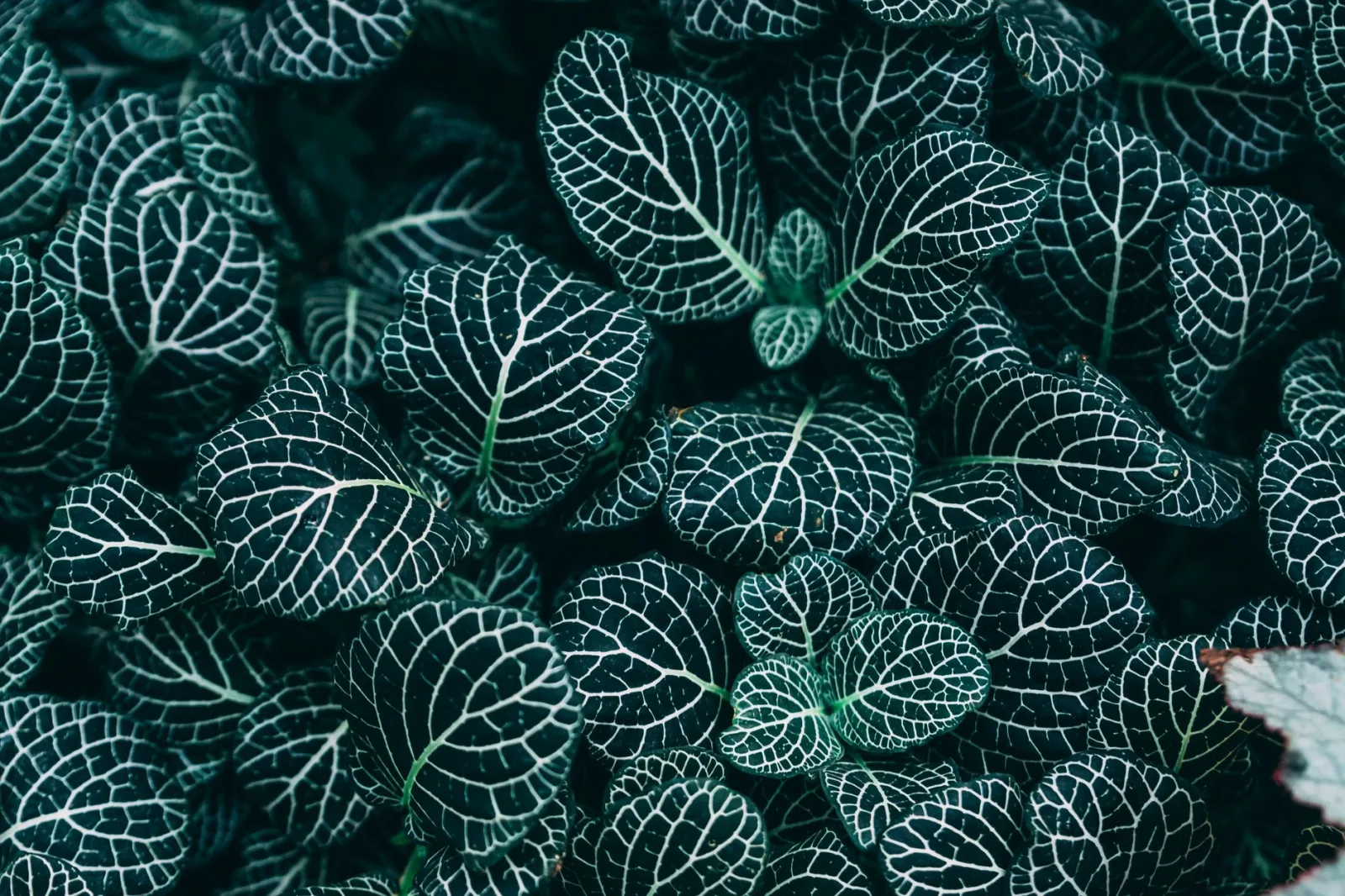
Fittonias grow best in moisture-retentive, peat-free houseplant compost. Fittonia prefers potting soil mixed with materials that improve drainage, such as bark, coco coir, or perlite. Soil should be rich, well-draining peat or coco-coir mix with added perlite.
When to Repot
Choose a new container 2 inches wider in diameter than the current one, and fill it with fresh potting mix before transplanting. Repot when roots begin to circle the pot’s edge or the plant stops responding to watering.
Feeding and Fertilizer
Add a water-soluble or liquid houseplant fertilizer once every 4 to 6 weeks from late spring through early autumn. Do not fertilize in the winter months when the plant is not actively growing.
Always apply liquid fertilizer to soil that is already moist, as applying to dry soil concentrates salts at the root tips and can cause leaf edges to turn brown. Water first, then feed.
Pruning and Shaping
Pinch off the ends of growing stems to shape plants and promote denser foliage. Flower buds can be pinched off if they appear, as the flowers are not particularly showy.
Propagation Methods
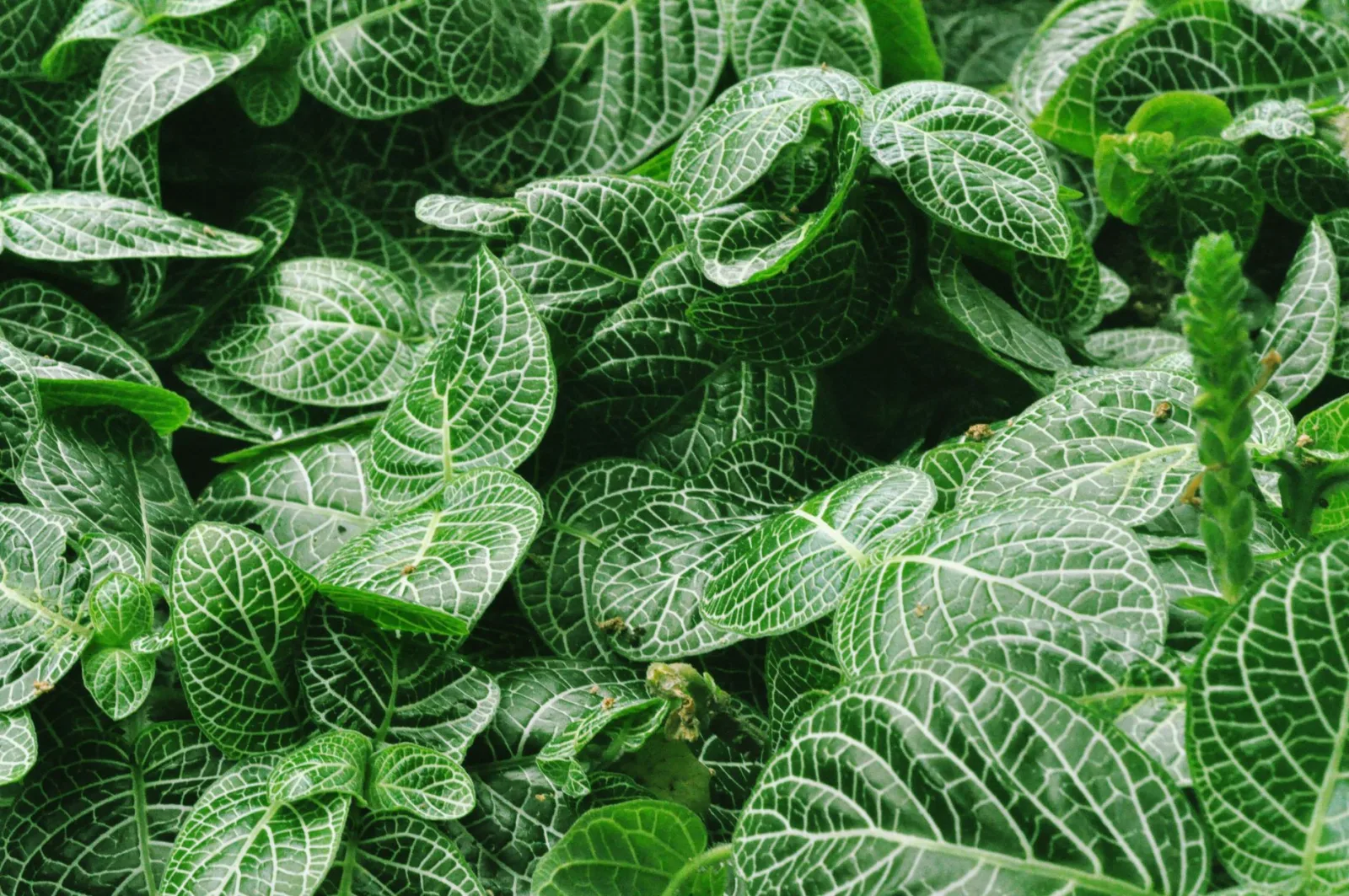
The best time to propagate is spring or early summer, during the active growing season. Nerve plant propagation is simple and straightforward, with two primary methods delivering excellent results.
Stem Cuttings in Soil
Stem cuttings that contain a minimum of 3 nodes (the point where a leaf meets the stem) are the easiest way to propagate. Use a sharp pair of needle-nose pruners to remove the cutting from the mother plant.
Trim off the lowest two leaves, stick the bottom inch of the cutting in rooting powder, and insert it into a clean pot of sterile potting soil. Water the cutting in, then cover the pot with a clear plastic baggie or plastic cloche to maintain higher humidity. Remove the cover only to water when needed; do not let the cutting dry out. Place the potted cutting in a window where it will receive moderate, but never direct, sunlight.
Stem Cuttings in Water
Take a stem cutting with about 4 sets of leaves and remove the bottom leaves. Place the cutting in a glass vessel with just enough water to cover the bottom part. Keep it in bright, indirect light and change the water regularly. Roots typically appear within 1–2 weeks; once they are about an inch long, pot the cutting into a moistened soil mix.
Division
Remove the parent plant from its pot and gently separate the root ball into 2–3 sections, each with roots and stems. Plant each division in a separate pot with fresh potting mix, water thoroughly, and place in bright, indirect light. Maintain high humidity around the new plants until established.
Success Rates
Stem cuttings have a 70–80% success rate, while division has a 90–95% success rate.
Common Problems and Solutions
Wilting and Leaf Drop
One of the more common factors when nerve plants lose leaves is a consistent lack of water; nerve plants can deal with some dry soil, but their ideal environment includes some moisture in the potting mix.
Brown Crispy Leaves and Edges
The most common symptom of low humidity is brown crispy edges, also possible from cold drafts, direct sun, or salt build-up from over-fertilizing. Address humidity first; flush the soil if you suspect salt.
Yellowing Leaves
When leaves turn yellow, it’s the result of too much water. Use a pot with drainage holes to prevent soggy soil.
Leggy or Spindly Growth
Spindly or leggy growth is often caused by a lack of sunlight; pinching off the leggy growth encourages a fuller, bushier shape.
Root Rot
Rots may occur if plants are overwatered. Although fittonias enjoy humidity, they don’t like waterlogged compost.
Pests
Mealybug is the most common indoor plant pest attracted to nerve plants and can weaken your plant relatively quickly if left untreated. These plants may also be susceptible to glasshouse red spider mite.
Is Nerve Plant Toxic to Pets?
Nerve plants are non-toxic to dogs, non-toxic to cats, and non-toxic to horses, and contain no toxic principles. You can safely grow these plants in homes with pets.
FAQ
How difficult are nerve plants to grow?
Nerve plants are difficult to grow because of their high moisture and humidity requirements. However, once you establish a consistent watering and humidity routine, they become much more manageable.
What size do nerve plants reach?
Mature plants will reach up to 8 inches tall and spread to fill a 1.5-foot area, making them ideal for shelves, terrariums, and smaller spaces.
Can I propagate a nerve plant in water?
Yes. Take a stem cutting with about 4 sets of leaves, remove the bottom leaves, and place it in a glass with just enough water to cover the bottom part. Keep it in bright, indirect light and change the water regularly; roots typically appear within 1–2 weeks.
What humidity level do nerve plants need?
Nerve plants prefer humidity levels above 50%, which can be achieved through regular misting, placing the plant on a pebble tray filled with water, or using a small humidifier nearby.
How often should I fertilize my nerve plant?
Add a water-soluble or liquid houseplant fertilizer once every 4 to 6 weeks from late spring through early autumn, and do not fertilize in winter when the plant is not actively growing.
What’s causing my nerve plant’s leaves to wilt suddenly?
If the soil is dry, water immediately; the plant should recover within 30 minutes.
More about Nerve Plant
Sources
- Fittonia / RHS Plant Guide
- Nerve Plant Care Guide: How to Grow Fittonia verschaffeltii 🌟 – Healthy Houseplants
- Fittonia: How to Grow and Care for the Nerve Plant
Photo: János Csatlós / Pexels, Pexels