Nerve Plant Fittonia albivenis
Nerve Plant Light Requirements: Where to Place It
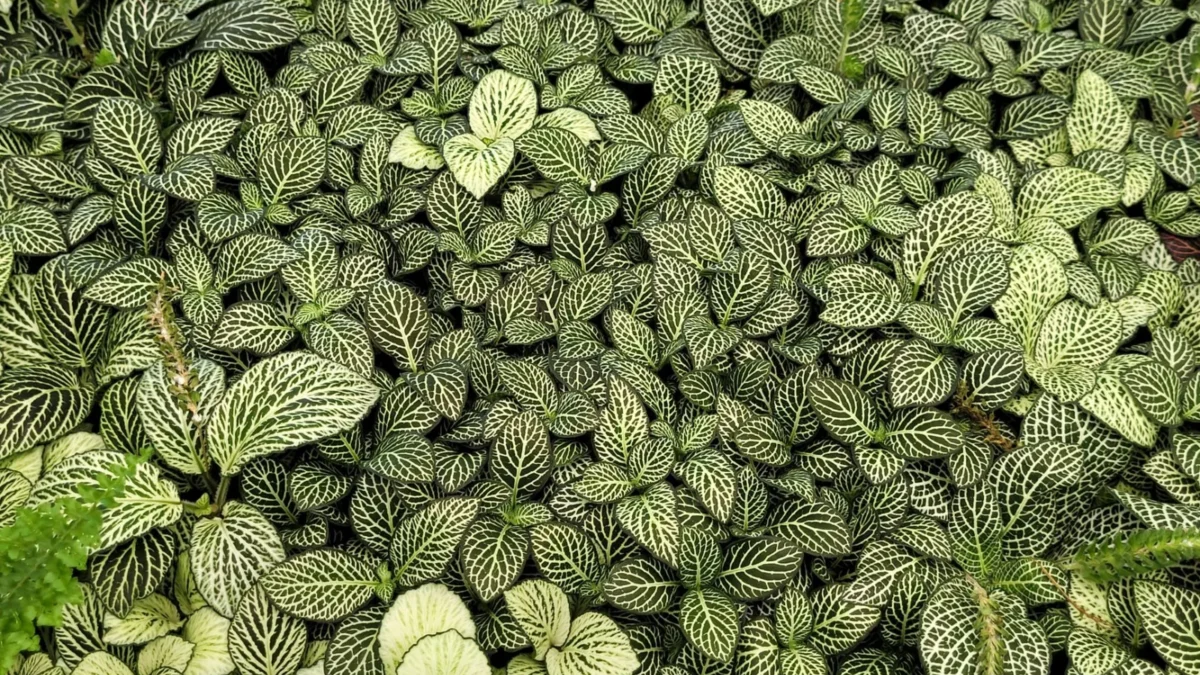
Quick answer: Nerve plants need bright indirect light, ideally in an east or north window. Keep them out of direct sun, which will bleach and scorch the leaves within hours.
| Botanical name | Fittonia albivenis |
|---|---|
| Light | bright indirect light; east or north window; avoid direct sun |
| Watering | water when top inch of soil is dry; every 7-10 days; keep evenly moist |
| Humidity | above 50%; high humidity required; mist regularly or use pebble tray |
| Temperature | 60-85°F (15-29°C); keep above 17°C (63°F); avoid cold drafts |
| Soil | peat-free moisture retentive houseplant compost with perlite, bark or coco coir |
| Feeding | liquid houseplant fertilizer every 4-6 weeks late spring through early autumn |
| Size | 8 inches tall; spreads to fill 1.5 feet area |
| Difficulty | demanding |
| Cats | ✓ non-toxic |
| Dogs | ✓ non-toxic |
Where to place your nerve plant
The best spot for a nerve plant is a few feet away from an east- or north-facing window. This gives you bright indirect light without the harshness of direct sun. If you have a west-facing window, that works too—just make sure the plant sits back far enough that afternoon rays don’t hit it directly. Morning sun from an east window before 10am is actually fine and can help perk the plant up.
Medium light between 250 to 1000 lux is ideal, supporting compact growth and vivid leaf coloration. If your home is naturally dim, grow lights are a practical solution and can improve leggy, stretched growth.
Why direct sun causes curling and crispy leaves
Direct sunlight is the enemy of nerve plants. Even an hour of midday or afternoon sun will bleach and burn the leaves almost immediately, turning the distinctive veining pale and washed-out with crispy brown edges. The plant’s leaves will actually curl up, trying to hide from the sun.
Low humidity and underwatering can also cause brown, crispy leaves, so addressing light is only part of the solution. Keep humidity above 50% by misting every few days or using a pebble tray, and water when the top inch of soil feels dry—typically every 7 to 10 days.
What happens with too little light
If your nerve plant doesn’t get enough light, it will stretch and become spindly, with wider gaps between leaf nodes and duller color contrast. Growth becomes leggy and the plant looks weak. You can pinch off the stretchy growth to encourage bushier shape, but moving the plant closer to a window or adding grow lights will give you better results.
FAQ
Why are my nerve plant leaves curling?
Leaves curl from too much direct sun as the plant tries to protect itself. They also curl when humidity drops too low or the plant is underwatered. Check that you’re misting regularly and watering when the soil’s top inch is dry.
How do I fix crispy leaves?
Crispy edges come from low humidity, direct sunlight, or underwatering. Move the plant away from sun, increase humidity to above 50%, and ensure consistent watering every 7 to 10 days.
Can I use grow lights for a nerve plant?
Yes—if your home doesn’t have a bright indirect light spot, grow lights are an effective way to prevent leggy growth and maintain compact, colorful foliage.
Read the full guide: Nerve Plant Care: The Complete Guide
More about Nerve Plant
The same problem in other plants
- What Light Does Asparagus Fern Need?
- What Light Does Philodendron Micans Need to Thrive?
- What Light Does a Norfolk Island Pine Really Need?
- Lucky Bamboo Light Requirements: How Much Light Does It Need?
Sources
- Nerve Plant Care
- Nerve Plant Care Guide: How to Grow Fittonia verschaffeltii 🌟 – Healthy Houseplants
- Nerve Plant: How to Grow & Care for Fittonia
Photo: Anita Dombi / Pexels, Pexels