Nerve Plant Fittonia albivenis
Why Is My Nerve Plant Dropping Leaves?
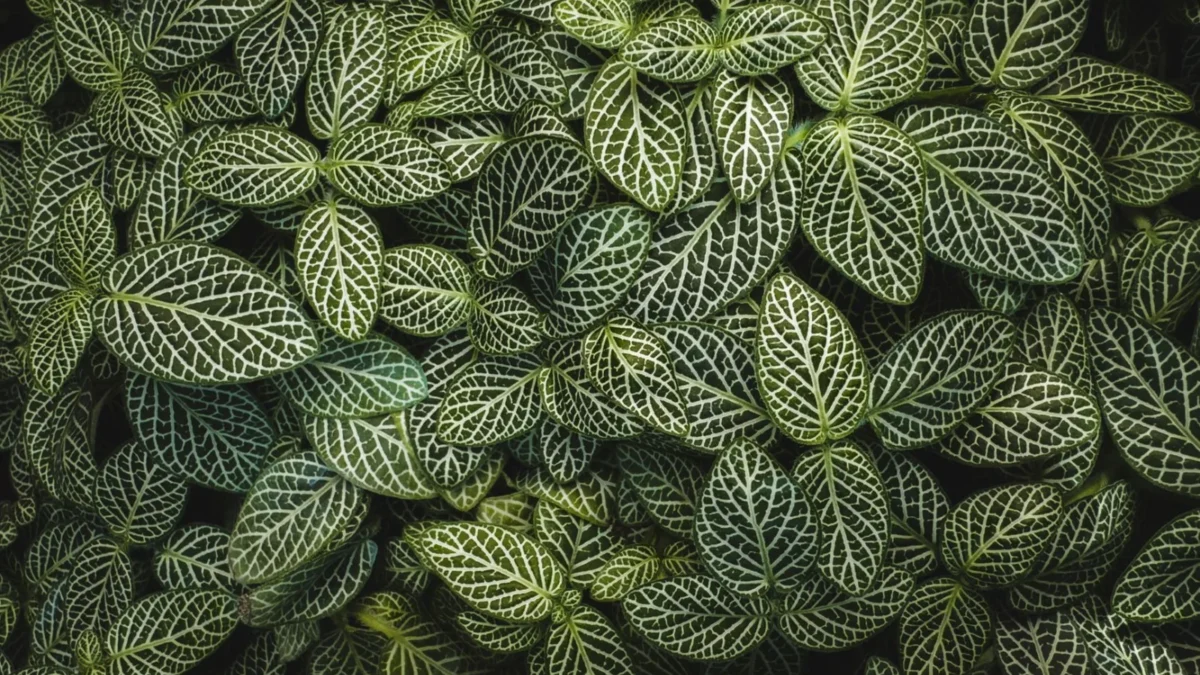
Quick answer: Your nerve plant is dropping leaves most likely due to inconsistent watering, low humidity, or cold temperatures. These issues are fixable once you identify which is affecting your plant, and most leaf loss can be prevented by maintaining stable care routines.
| Botanical name | Fittonia albivenis |
|---|---|
| Light | bright indirect light; east or north window; avoid direct sun |
| Watering | water when top inch of soil is dry; every 7-10 days; keep evenly moist |
| Humidity | above 50%; high humidity required; mist regularly or use pebble tray |
| Temperature | 60-85°F (15-29°C); keep above 17°C (63°F); avoid cold drafts |
| Soil | peat-free moisture retentive houseplant compost with perlite, bark or coco coir |
| Feeding | liquid houseplant fertilizer every 4-6 weeks late spring through early autumn |
| Size | 8 inches tall; spreads to fill 1.5 feet area |
| Difficulty | demanding |
| Cats | ✓ non-toxic |
| Dogs | ✓ non-toxic |
| What you see | Likely cause | What to do |
|---|---|---|
| Leaves falling off | Cold drafts or low temperature | Move plant away from windows, vents, and cold air; keep above 17°C (63°F) |
| Leaves wilting and dropping | Inconsistent watering; soil dried out | Check soil moisture; water when top inch feels dry; expect watering every 7–10 days |
| Brown, crispy edges with leaf drop | Low humidity below 50% | Mist regularly or use a pebble tray; increase humidity above 50% |
| Sudden collapse of all stems and leaves | Severely dry soil | Water immediately; plant should recover within 30 minutes |
| Yellow leaves falling | Overwatering; waterlogged soil | Allow soil to dry slightly between waterings; ensure pot has drainage holes |
| Spindly growth with sparse leaves | Insufficient light | Move closer to an east or north window or use grow lights |
Cold temperature and drafts
Leaf drop is usually the result of cold temperatures or drafts. Nerve plants are sensitive to temperature swings and cold air. If your home is chilly or the plant sits near a cold window, leaking door, or air-conditioning vent, the stress triggers leaf fall. Aim to keep your plant between 60–85°F (15–29°C), and always protect it from cold drafts.
Underwatering and inconsistent moisture
One of the most common reasons for leaf loss is a consistent lack of water. Nerve plants need evenly moist soil—not soggy, but not dry either. On average, water every 7 to 10 days, checking the top inch of soil first. If the soil dries out completely, leaves will droop and fall. The good news: if this happens, water immediately and the plant usually recovers within 30 minutes.
For reliable watering, try bottom watering: set the pot in a shallow tray of water for 15–20 minutes and let the soil absorb what it needs.
Low humidity causing leaf loss
Nerve plants need humidity levels above 50% to thrive. Without it, leaves brown, crisp, and eventually drop. Misting your plant’s leaves with a spray bottle every few days is one of the best ways to boost humidity. Alternatively, set the pot on a wet pebble tray and refill with water as it evaporates. A bathroom or terrarium is ideal for these moisture-loving plants.
Light and other factors
While not the main cause of leaf drop, poor light can stress the plant. Keep your nerve plant in bright indirect light—an east or north window works well. Avoid direct sun entirely, as even an hour of midday sun burns and bleaches the leaves.
Overwatering also causes yellowing leaves and eventual drop, so balance moisture with good drainage. Use a pot with drainage holes and ensure the soil doesn’t stay soggy.
FAQ
Can nerve plant leaves grow back after dropping?
Once a leaf falls, it won’t regrow. However, addressing the underlying cause (cold, dry air, underwatering, or drafts) will prevent further leaf loss and encourage fresh growth from the stems.
What temperature is too cold for a nerve plant?
Keep your nerve plant above 17°C (63°F) and away from drafts. Temperatures below this and cold air exposure trigger stress and leaf drop within days.
Read the full guide: Nerve Plant Care: The Complete Guide
More about Nerve Plant
The same problem in other plants
- Why Is My Weeping Fig Dropping Leaves?
- Why Is My Umbrella Plant Dropping Leaves?
- Why Are My Kalanchoe Leaves Falling Off?
- Why Is My Polka Dot Plant Dropping Leaves?