Philodendron Birkin Philodendron 'Birkin'
Philodendron Birkin Care: The Complete Guide
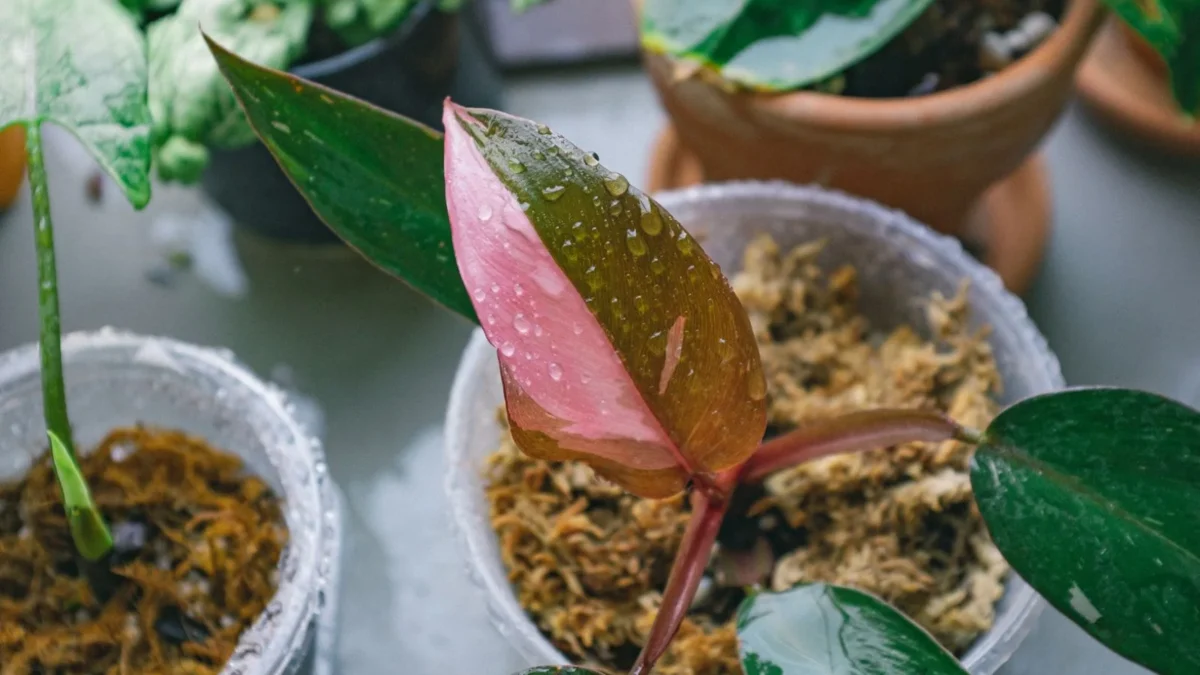
The Philodendron Birkin is an easy-to-grow houseplant that brings tropical elegance to any indoor space. This guide covers everything you need to know about philodendron Birkin care, from light and watering to troubleshooting common problems. With the right conditions, your plant will grow reliably as a rewarding low-maintenance companion.
Philodendron Birkin at a glance
| Botanical name | Philodendron 'Birkin' |
|---|---|
| Light | Bright, filtered or indirect light; avoid direct sun |
| Watering | Water when top 2-3 cm of soil is dry; water freely during growing season |
| Humidity | 50-60% preferred; below 40% causes leaf curling and browning |
| Temperature | 65-80°F (18-26°C); avoid below 15°C (59°F) |
| Soil | Standard houseplant compost |
| Feeding | Balanced liquid fertilizer monthly during growing season |
| Size | 1-1.5 metres tall |
| Difficulty | easy |
Key points
- Keep your plant in bright, filtered or indirect light and away from direct sun to prevent leaf scorch
- Water when the top 2-3 cm of soil is dry; overwatering is the most common mistake
- Maintain 50-60% humidity to prevent leaf curling and browning
- Use standard houseplant compost and repot every 2-3 years
- Fertilise monthly with balanced liquid fertiliser during the growing season
- The plant reaches 1-1.5 metres tall and is toxic to cats and dogs
Light Requirements for Philodendron Birkin
Grow your Philodendron Birkin in bright, filtered or indirect light. Position it in a bright location but make sure it stays out of direct sun in summer, which can scorch the leaves. A spot near a window with a sheer curtain works well, or place it a few feet away from a south-facing window.
If your plant is placed in a location with inadequate light, the leaves may become pale and yellow. Insufficient light also slows growth, so ensure your plant gets enough brightness to thrive.
Watering Your Philodendron Birkin
Water your Philodendron Birkin when the top few centimetres of compost have dried out. More specifically, water when the top 2-3 inches of soil is dry. There is no set calendar for watering—instead, water when the top 25-50% of the soil feels dry to the touch, as environmental factors like light and humidity change how fast the soil dries out.
During the growing season, water freely, and water moderately at other times. Take care not to overwater or leave your plant standing in water, as saturated compost can eventually cause root rot.
Overwatering Problems
Overwatering is the most common cause of a yellowing Philodendron. Soggy soil leads to root rot, which impairs nutrient uptake. Pots without drainage holes trap water, increasing root rot risk. Always use a pot with drainage holes so water can flow freely.
To check if you’re overwatering, push your finger 2 inches into the soil. If it still feels cool and damp and it’s been more than a week since you watered, you’re overwatering. If this happens, stop watering until the top 2 inches of soil are completely dry, and make sure your pot has drainage holes.
In boggy or saturated soil, philodendrons develop root rot, with leaves turning yellow, drooping, and dying back. The roots turn brown and slimy, the stem softens from the base up, and the plant can no longer move water to its leaves—so paradoxically it wilts even though the soil is soaking.
Humidity and Temperature Needs
Philodendrons prefer humidity levels between 50-60%. Levels below 40% cause leaf edges to curl and brown. If your home is dry, increase humidity by misting the leaves regularly, placing the plant on a pebble tray filled with water, or using a humidifier.
Maintain a consistent temperature between 65°F and 80°F. Philodendrons dislike temperatures below 15°C (59°F), so they must be grown indoors in the UK. Keep your plant away from cold drafts, heating vents, and sudden temperature changes, as these can stress the plant and cause leaf drop.
Soil and Repotting Guidelines
Grow your plant in standard houseplant compost. This type of soil provides good drainage and aeration while retaining enough moisture for the plant’s needs.
Repot your Philodendron Birkin every 2-3 years. Repot in spring or early summer when the plant is actively growing. Choose a pot only slightly larger than the current one—usually just 1-2 inches wider—to avoid excess soil moisture around the roots. Always use a pot with drainage holes.
Fertilizing Your Philodendron Birkin
During the growing season, apply a balanced liquid fertiliser monthly. Apply a balanced liquid fertiliser monthly during the growing season. Water moderately at other times, and reduce or stop fertilising in autumn and winter when growth slows.
Pruning and Maintenance
Regular pruning keeps your Philodendron Birkin bushy and encourages new growth. Remove any yellow, brown, or damaged leaves by cutting them off near the base of the stem. You can also pinch back the growing tips to encourage branching. Wipe the leaves occasionally with a soft, damp cloth to remove dust and keep them glossy.
Propagating Philodendron Birkin
Propagate your Philodendron Birkin by stem-tip or leaf bud cuttings. Take cuttings just below a node (the bump on the stem where leaves emerge) and place them in water or moist soil. Cuttings in water should develop roots within a few weeks, after which you can pot them into soil. Keep the propagation medium warm and humid for best results.
Common Problems and Solutions
Yellowing Leaves
Yellowing leaves most often indicates overwatering, but low light, nutrient shortages, or natural aging can also be the cause. Check your watering schedule first and ensure the soil drains well. Move the plant to a brighter location if needed, and verify you’re fertilising monthly during the growing season.
Drooping Leaves
Drooping is another common symptom of an overwatered philodendron. If you place your plant in a low humidity setting, the leaves will start drooping and browning on their tips and edges. Check soil moisture, ensure proper drainage, and increase humidity around the plant. Cold temperatures can also cause drooping, so maintain temperatures between 65-80°F.
Curling Leaves
Philodendrons thrive in 60–80% humidity; levels below 40% cause leaf edges to curl and brown. When soil dries out too much, leaves curl inward to reduce moisture loss. To uncurl your plant’s leaves, ensure consistent watering (especially during hot summer days), maintain high humidity through misting or using a humidifier, and provide bright, indirect light.
Pests
Your Philodendron Birkin may be susceptible to scale insects and glasshouse red spider mite. Spider mites cause fine webbing on leaves and yellow speckling on leaf surfaces. Inspect your plant regularly for pests, especially the undersides of leaves. Isolate infested plants and treat with neem oil or insecticidal soap according to product directions.
FAQ
Is Philodendron Birkin safe for pets?
All Philodendron species are classed as “Toxic to Dogs, Toxic to Cats” on the basis of insoluble calcium oxalates. The plant contains calcium oxalate crystals, which can cause irritation and inflammation in the mouth, throat, and digestive tract if ingested by cats. Keep the plant out of reach of pets and seek veterinary advice if ingestion occurs.
How tall does a Philodendron Birkin grow?
The ultimate height is 1–1.5 metres. This makes it a compact plant suitable for most indoor spaces, though it will need support as it grows taller.
How do I know if my Philodendron Birkin needs water?
Water when the top 2-3 inches of soil is dry. Stick your finger into the soil to check moisture rather than watering on a schedule—this prevents both overwatering and underwatering.
What family does Philodendron Birkin belong to?
The Philodendron Birkin belongs to the Araceae family, which includes many popular houseplants like Monsteras and Anthuriums.
How difficult is it to care for a Philodendron Birkin?
The Philodendron Birkin is easy to grow with low maintenance requirements. It’s an excellent choice for beginners and experienced plant lovers alike.