Philodendron Birkin Philodendron 'Birkin'
Why Is My Philodendron Birkin Drooping
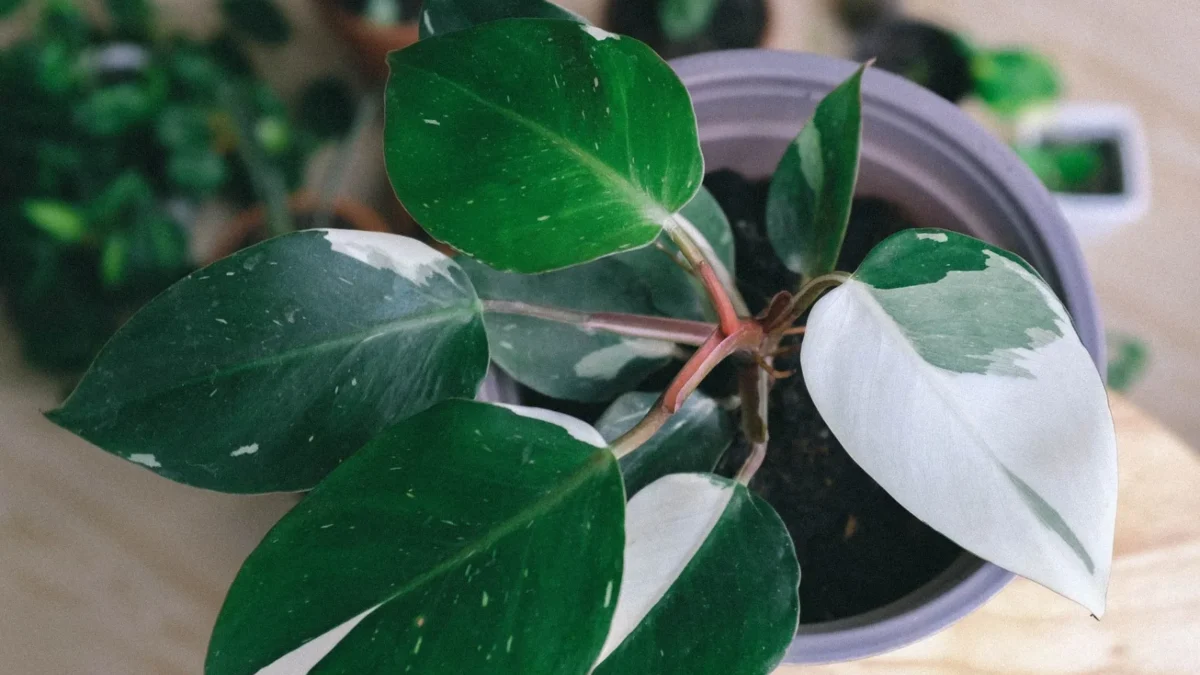
Quick answer: Philodendron Birkin droops most often from overwatering and root rot, but low humidity, cold temperatures, or underwatering can also cause wilting. Check your soil moisture first—if it’s soggy, reduce watering; if bone-dry, water more regularly.
Philodendron Birkin at a glance
| Botanical name | Philodendron 'Birkin' |
|---|---|
| Light | Bright, filtered or indirect light; avoid direct sun |
| Watering | Water when top 2-3 cm of soil is dry; water freely during growing season |
| Humidity | 50-60% preferred; below 40% causes leaf curling and browning |
| Temperature | 65-80°F (18-26°C); avoid below 15°C (59°F) |
| Soil | Standard houseplant compost |
| Feeding | Balanced liquid fertilizer monthly during growing season |
| Size | 1-1.5 metres tall |
| Difficulty | easy |
| What you see | Likely cause | What to do |
|---|---|---|
| Drooping leaves, yellow leaves, soft mushy stems | Overwatering and root rot | Stop watering until soil dries; repot into fresh compost if roots smell foul |
| Drooping but soil is dry | Underwatering | Water thoroughly; check soil regularly when top 2–3 cm feels dry |
| Drooping, leaf edges browning and curling | Low humidity below 50–60% | Mist regularly or place on a pebble tray with water |
| Drooping, pale, slow growth | Cold temperature below 65°F | Move away from drafts; maintain 65–80°F |
| Drooping despite moist soil | Poor drainage or no drainage hole | Repot into a pot with drainage holes |
How to diagnose why your Philodendron Birkin is drooping
The first step is to check the soil. Push your finger 2–3 cm into the compost. If it feels bone-dry, your plant is thirsty. If it feels wet or soggy, overwatering is the problem.
Overwatering and root rot are the most common causes of drooping. When the soil stays too wet, roots turn brown and slimy, the stem softens from the base upward, and the plant can no longer transport water to its leaves. Paradoxically, the plant wilts even though the soil is soaking, because the damaged roots cannot absorb or move water.
In boggy soil, leaves turn yellow, droop, and die back as the plant loses function. Pots without drainage holes make this worse because water has nowhere to escape.
Low humidity also causes drooping and browning leaf tips. Philodendrons prefer humidity between 50–60%. When humidity falls too low, leaves lose moisture faster than the plant can replace it.
Cold temperatures stress the plant. If your home drops below 65°F, your Philodendron Birkin may droop, shed leaves, and look sickly.
Underwatering happens less often but still causes wilting. Your plant needs water when the top 2–3 cm of soil is dry. During the growing season, water freely; at other times, water moderately.
How to save your drooping Philodendron Birkin
Once you know the cause, act quickly.
If the soil is soggy, stop watering immediately. Let the top 2 inches dry completely before watering again. If roots smell foul or are dark and slimy, repot the plant into fresh standard houseplant compost. Always use a pot with drainage holes.
If the soil is dry, water thoroughly until water drains from the bottom, then return to a regular schedule. Water again when the top 2–3 cm feels dry.
For low humidity, mist the leaves regularly or place the pot on a pebble tray with water underneath (don’t let the pot sit directly in water). Aim for 50–60% humidity.
Move the plant away from cold drafts and keep it in a warm spot between 65–80°F.
Make sure your Philodendron Birkin gets bright, filtered or indirect light. This helps it stay strong and recover faster.
Preventing drooping in the future
Water only when the top 2–3 cm of soil is dry; don’t follow a calendar. During the growing season, water freely; in cooler months, reduce frequency. Always use a pot with drainage holes and standard houseplant compost. Maintain humidity at 50–60% and keep the plant in a consistent temperature between 65–80°F. Position it in bright, indirect light away from direct sun.
Read the full guide: Philodendron Birkin Care: The Complete Guide
More about Philodendron Birkin
The same problem in other plants
- Why Is My Bunny Ears Cactus Drooping?
- Why Are My Umbrella Plant Leaves Drooping?
- Why Are My Echeveria Leaves Drooping?
- Why Is My Arrowhead Plant Drooping? Causes and Quick Fixes