Philodendron Birkin Philodendron 'Birkin'
How to Propagate Philodendron Birkin: Step-by-Step Guide
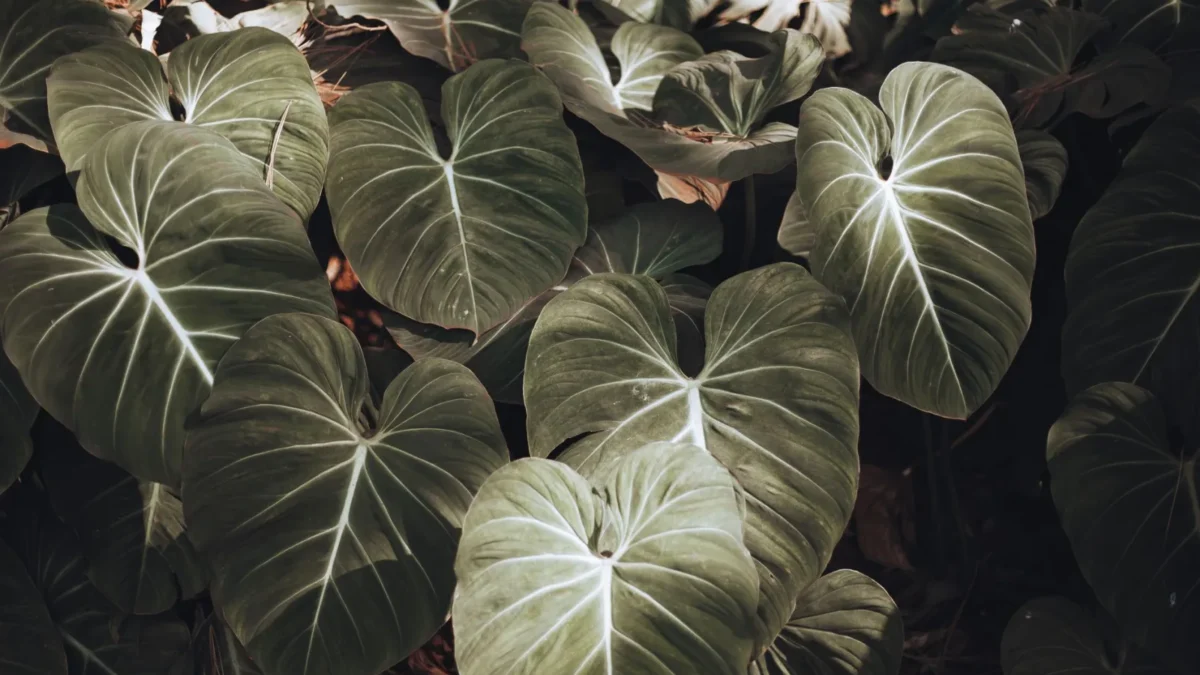
Quick answer: Propagate Philodendron Birkin by taking stem-tip cuttings and rooting them in water or soil. Cuttings root reliably in bright, indirect light and can be potted up once they develop roots.
Philodendron Birkin at a glance
| Botanical name | Philodendron 'Birkin' |
|---|---|
| Light | Bright, filtered or indirect light; avoid direct sun |
| Watering | Water when top 2-3 cm of soil is dry; water freely during growing season |
| Humidity | 50-60% preferred; below 40% causes leaf curling and browning |
| Temperature | 65-80°F (18-26°C); avoid below 15°C (59°F) |
| Soil | Standard houseplant compost |
| Feeding | Balanced liquid fertilizer monthly during growing season |
| Size | 1-1.5 metres tall |
| Difficulty | easy |
Best Methods to Propagate Philodendron Birkin
Stem-tip cuttings are the easiest and fastest way to multiply your Philodendron Birkin. You can root them either in water (for visibility and ease) or in standard houseplant compost (for faster transition to soil). Both work equally well.
Water propagation lets you watch roots develop, while soil propagation skips a potting-up step. Choose whichever suits your preference—beginners often prefer water because there’s less guesswork about when roots are ready.
Step-by-Step Propagation in Water
- Take a stem-tip cutting 4–6 inches long, just below a node (the bump where leaves attach). Include at least two leaves.
- Remove the lower leaves, leaving only the top 1–2 leaves above the waterline.
- Place the cutting in a jar of room-temperature water.
- Set it in bright, filtered or indirect light. Avoid direct sun, which can stress the cutting.
- Change the water every 3–5 days to prevent bacterial growth.
- Roots typically appear within 2–4 weeks. Once roots are 1–2 inches long, pot the cutting into standard houseplant compost.
- Water the soil and maintain it slightly moist (not soggy) for the first week as the plant adjusts.
Step-by-Step Propagation in Soil
- Take a 4–6 inch stem-tip cutting just below a node.
- Remove the lower leaves.
- Dip the cut end in rooting hormone (optional but helpful) and insert it 1–2 inches deep into moist standard houseplant compost.
- Place the pot in bright, indirect light at a temperature between 65°F and 80°F.
- Keep the soil consistently moist but not waterlogged for 3–4 weeks.
- Gently tug the cutting after 4 weeks; resistance means roots have developed.
- Once established, follow normal watering—water when the top 2–3 cm of soil is dry.
Common Mistakes to Avoid
Using dirty water or containers – This introduces bacteria. Change water regularly and use clean jars.
Overwatering soil cuttings – Soggy soil causes rot before roots form. Keep it moist, not waterlogged.
Insufficient light – Cuttings need bright, indirect light to root and grow. Low light slows or halts development.
Planting too deep – Bury the cutting deep enough for stability, but not so deep that leaves are submerged, which causes rot.
Potting up too early – Wait until roots are visible and at least 1 inch long. Tiny root nubs need more time in water or soil before transplanting.
FAQ
How long does Philodendron Birkin take to root?
Roots typically develop within 2–4 weeks in water or soil, depending on light, temperature, and humidity. Warmer conditions and bright light speed up the process.
Can you propagate Philodendron Birkin from a single leaf?
Stem-tip cuttings are the reliable method. Leaf cuttings are possible but much slower and less successful, so stem cuttings are recommended.
When should I repot a rooted cutting?
Pot up water-rooted cuttings once roots are 1–2 inches long. For soil cuttings, wait 4 weeks or until gentle tugging shows resistance. The new plant should be repotted every 2–3 years as it grows.
Read the full guide: Philodendron Birkin Care: The Complete Guide
More about Philodendron Birkin
The same problem in other plants
- How to Propagate Echeveria: Leaf and Cutting Methods
- How to Propagate Haworthia: Step-by-Step
- How to Propagate Monstera Adansonii in Water and Soil
- How to Propagate Hoya Kerrii from Leaves and Cuttings
Sources
- Philodendron 'Birkin' (v)
- How to grow philodendrons / RHS Growing Guide
- Philodendron / RHS Plant Guide
Photo: Orione Conceição / Pexels, Pexels