Pink Princess Philodendron Philodendron erubescens 'Pink Princess'
Pink Princess Philodendron Care: The Complete Guide
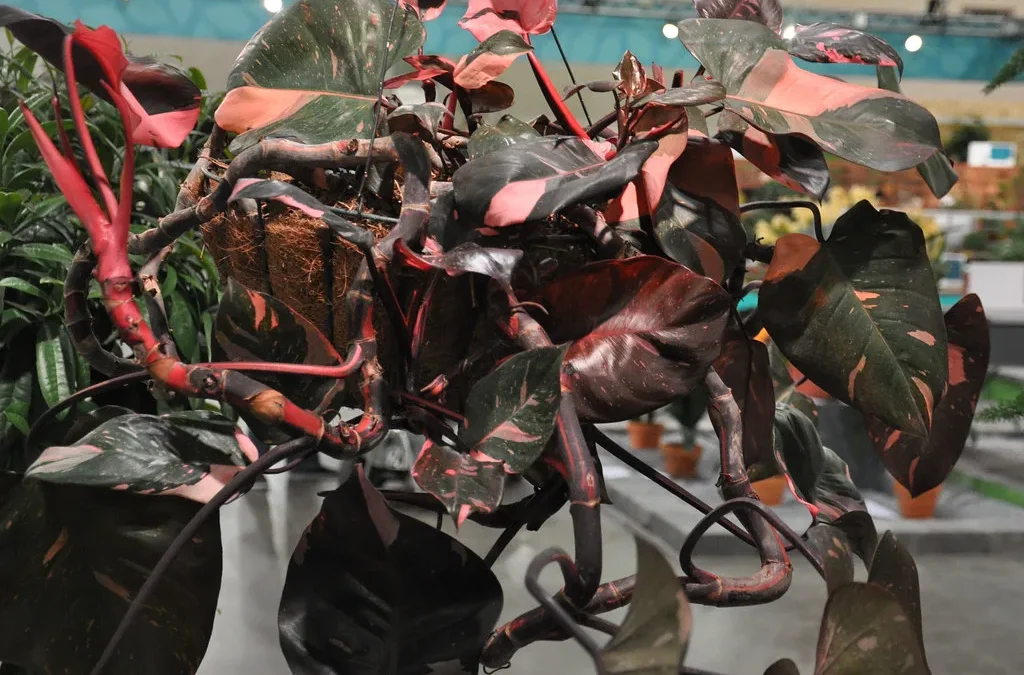
This guide covers everything you need to grow a healthy Pink Princess Philodendron, from setting up the right light and watering routine to troubleshooting common problems. The single most important factor is providing bright, indirect light—this plant needs 12,000–22,000 lux to maintain its stunning pink variegation, and without it, you’ll see increasingly green leaves as the plant adapts to lower light conditions. With the right environment and consistent care, your Pink Princess will reward you with vibrant, heart-shaped foliage and steady growth.
Pink Princess Philodendron at a glance
| Botanical name | Philodendron erubescens 'Pink Princess' |
|---|---|
| Light | Bright indirect light; avoid harsh afternoon sun; 12,000–22,000 lux to maintain variegation |
| Watering | Water when top 1–2 inches of soil dry; every 7–10 days spring/summer, 14–21 days fall/winter |
| Humidity | 50–70% relative humidity optimal; average 50% acceptable |
| Temperature | 65–85°F (18–29°C); avoid below 59°F (15°C) |
| Soil | Loose, free-draining, rich organic houseplant compost; well-aerated potting mix |
| Feeding | Balanced liquid fertilizer monthly during growing season |
| Size | Up to 4 feet tall with 2-foot spread; slow-growing |
| Difficulty | easy |
Key points
- Bright indirect light at 12,000–22,000 lux is essential; below 8,000 lux the plant produces more green leaves to compensate for lost photosynthesis
- Water when the top 1–2 inches of soil dry out (every 7–10 days spring/summer, 14–21 days fall/winter), checking soil moisture rather than following a strict schedule
- Use loose, free-draining houseplant compost and allow water to drain completely after each watering to prevent root rot
- Maintain 50–70% humidity and temperatures between 65–85°F (18–29°C), avoiding exposure below 59°F (15°C)
- Feed monthly with balanced liquid fertilizer during the growing season
- Keep the plant out of reach of pets—it’s toxic to cats and dogs
Light Requirements for Vibrant Pink Variegation
Your Pink Princess Philodendron grows best in bright, filtered or indirect light. The pink coloration isn’t actually a pigment—it’s the absence of chlorophyll in those sections of the leaf. This means the pink areas cannot photosynthesize, so they’re decorative but not functional for energy production. You want bright light on the pink portions, but not direct sun, because those pink areas have no chlorophyll to protect them and will burn quickly in direct sunlight, turning brown and crispy.
To maintain variegation, the plant needs 12,000–22,000 lux of bright indirect light consistently. Below 8,000 lux, the plant produces increasingly green leaves to compensate for the photosynthesis lost to pink tissue. Too much shade will reduce the variegation and produce leggy growth, while harsh, afternoon sun must be avoided.
The most reliable way to encourage more pink variegation is to provide consistently bright indirect light of 500–1,000 foot-candles for 10–12 hours daily. In too little light, the plant prioritizes chlorophyll production, pushing out increasingly green leaves with less pink over time.
Adjusting light as you grow
When new growth starts coming in too green, that’s your signal to increase light levels. Move the plant closer to your light source or extend the hours if you’re using grow lights. When you notice the pink sections turning brown or looking scorched, pull back slightly from the light source or filter the light with a curtain.
Watering and Humidity: Finding the Right Balance
Water your Pink Princess when the top 1–2 inches of soil have dried out. During spring and summer, this typically means watering every 7–10 days; in autumn and winter, stretch this to every 14–21 days. Always assess soil moisture with a finger or moisture meter before watering rather than following a calendar schedule, since factors like pot size, potting mix, and room temperature affect drying time.
Water thoroughly, ensuring the water drains completely after each watering. This prevents the waterlogging that leads to root rot. Letting the top two inches of soil dry between waterings prevents root rot, and it’s one of the most reliable safeguards against the overwatering problems that plague this plant indoors.
Your Pink Princess prefers relative humidity of 50–70% for optimal growth and foliage quality. Average indoor humidity near 50% is often acceptable if light and watering are correct; below that, watch for crispy leaf edges, especially on pink sectors that desiccate faster than green. If your home is particularly dry, misting, grouping plants together, or using a pebble tray with water beneath the pot will help raise humidity without waterlogging the soil.
Soil and Repotting Your Pink Princess
Your Pink Princess thrives in a rich, organically fertile, well-aerated, and free-draining potting mix that supports robust root development while preventing the waterlogging that leads to root rot. A loose, free-draining houseplant compost is the foundation of healthy growth.
Repot every 2–3 years into a container just slightly larger than the current one. When repotting, refresh as much of the old soil as you can to introduce fresh nutrients and improve aeration around the roots. Always use a pot with drainage holes, and fill it with your chosen well-draining mix so water can escape freely.
If you suspect root rot from overwatering, repot the plant into fresh, well-draining soil and trim severely affected roots before replanting.
Feeding and Nutrients
During the growing season, apply a balanced liquid fertilizer monthly. A balanced formula (equal NPK ratios like 10-10-10 or 5-5-5) supports healthy stem and leaf development without encouraging excessive, soft growth. Follow the product label for dilution rates and never apply fertilizer to dry soil—water the plant first, then feed.
In autumn and winter, water moderately and skip feeding, as growth slows naturally and excess nutrients can damage roots when the plant isn’t actively growing.
Common Problems: Leaf Discoloration, Curling, and Leaf Loss
Yellowing leaves
Yellowing leaves in your Pink Princess are most commonly caused by overwatering or developing root rot. Overwatering can cause the leaves to turn yellow because the excess moisture can lead to nutrient deficiencies. When roots sit in waterlogged soil, they can’t access the oxygen they need, leading to yellow leaves.
Other causes of yellowing include insufficient light, nutrient deficiency, cold temperature exposure, or natural senescence of older lower leaves. Before making changes, check your watering frequency and pot drainage. If the soil stays wet days after watering, or if you see root rot (brown, mushy roots), reduce watering, improve drainage, and repot the plant into fresh, well-draining soil.
If the plant hasn’t been fed recently and older leaves are yellowing, consider using a balanced houseplant fertilizer every 4–6 weeks during the growing season.
Brown spots and leaf scorching
Brown spots often come from inconsistent watering, low humidity, or too much direct sun scorching the variegated areas, which are more delicate. The pink sections are especially vulnerable because they lack the protective chlorophyll of green tissue. Check that your plant is in bright indirect light, not direct sun, and allow soil to dry slightly between waterings to maintain consistent moisture.
Natural leaf loss
Older lower leaves naturally yellow and drop over time. This is normal senescence and not a cause for concern as long as new growth looks healthy and vibrant.
Pests and Diseases
Your Pink Princess may be susceptible to scale insects and glasshouse red spider mite. Check the undersides of leaves and along stems regularly for tiny brown bumps (scale) or fine webbing (spider mite). Early detection makes treatment easier—isolate the plant, spray affected areas with insecticidal soap or neem oil, and repeat weekly until pests are gone.
Bacterial leaf spot appears as dark brown or black spots on the leaves. This typically develops when foliage stays wet for long periods. Improve air circulation, avoid watering foliage, and remove affected leaves. If severe, treat with a copper fungicide according to the product label.
How to Keep Your Pink Princess Pink
Light is the single most important environmental factor for maintaining the Pink Princess’s prized variegation. Without sufficient bright, indirect light, the plant will gradually revert to solid green foliage because it can’t afford to produce non-photosynthetic pink tissue when energy is scarce.
Good light supports healthy variegated growth, but light cannot guarantee how much pink the next leaf will contain. Variegation in the plant itself can be a bit unstable, so there’s no fool-proof way of predicting variegation. Prune out stems that have reverted to solid, non-variegated foliage to encourage the plant to invest energy in maintaining its pink sectors.
Always take cuttings from stem sections that already carry visible pink variegation on the leaves or visible pale pink streaking on the stem itself. This increases the likelihood of propagating variegated offspring rather than solid green plants.
Temperature Requirements
Your Pink Princess thrives at temperatures between 65°F and 85°F (18°C–29°C). Philodendrons dislike temperatures below 59°F (15°C), so avoid placing the plant near cold windows in winter, air conditioning vents, or drafty doorways. Sudden temperature swings can stress the plant and cause leaf drop, so maintain as consistent an environment as possible.
Propagation Methods
The reliable, beginner-friendly way to propagate Pink Princess Philodendron is nodal stem cuttings in water or soil.
Water propagation (fastest and easiest)
Tip cuttings—those at the end of the stem—propagate best in water. From the tip, count 2–4 leaf nodes and cut the stem there, then remove the bottom leaves.
Place tip cuttings in a clear jar with enough water to cover the bottom nodes. Keep the cuttings somewhere they get bright, indirect light—or better, under a grow light. Change water weekly to prevent bacterial growth.
Most Pink Princess cuttings root in about 2 to 4 weeks in water or moss, though cooler rooms and winter can slow this down. Once roots are 1–2 inches long, transfer water-rooted cuttings to soil. Use a small pot with a chunky soil mix and keep it moist for the first 2–3 weeks as the roots adjust.
Soil propagation (perlite or moss method)
Cut the rest of the stem into several pieces, each with at least one leaf or node. Lay them in a small translucent box with moist perlite or sphagnum moss, ensuring the nodes are partially covered. Lightly mist the cuttings with water, then close the lid and place the box somewhere in indirect light. Open the box once a day to let the cuttings “breathe” and check for mould or rot.
Alternatively, dip the cut end in rooting hormone, then plant in a mix of peat moss, perlite, and orchid bark. Or insert cuttings into a small pot of moist propagation mix (50% perlite, 50% coco coir), ensuring at least one node is buried.
Aftercare for soil cuttings
Overwatering in soil leads to rot before roots establish. Using tap water with chlorine can damage delicate new roots—use filtered or dechlorinated water. Once roots are 1–2 inches long, transfer soil-grown cuttings to a permanent pot.
Ensuring variegated offspring
For best chances of variegated offspring, always take cuttings from stem sections that already carry visible pink variegation on the leaves or visible pale pink streaking on the stem itself.
Pet Safety
Philodendron erubescens ‘Pink Princess’ is toxic to humans, cats, dogs, and other domestic animals. All parts of the plant are toxic, including the leaves, stems, petioles, and sap. In common with all members of the Araceae family, it contains insoluble calcium oxalate crystals (raphides) in all plant tissues.
Chewing the plant causes oral irritation, intense burning of the mouth and lips, drooling, vomiting and difficulty swallowing. Place Pink Princess out of reach—high shelves, wall-mounted planters, or rooms pets do not access—not on a coffee table. If ingestion is suspected, call ASPCA Animal Poison Control at 1-888-426-4435.
FAQ
How often should I water my Pink Princess Philodendron?
Water when the top 1–2 inches of soil have dried out, which typically means every 7–10 days in spring and summer, and every 14–21 days in autumn and winter. Always check soil moisture before watering rather than following a fixed schedule.
Why are my Pink Princess leaves turning yellow?
Yellowing is most commonly caused by overwatering or root rot. Check that your pot drains fully after watering and that you’re allowing the soil to dry slightly between waters. Other causes include insufficient light, nutrient deficiency, or cold exposure.
How can I encourage more pink variegation?
Provide consistently bright indirect light of 12,000–22,000 lux for 10–12 hours daily. Without sufficient light, the plant produces increasingly green leaves. Prune out any stems that have reverted to solid green foliage to redirect energy toward variegated growth.
What humidity does Pink Princess Philodendron need?
Optimal humidity is 50–70% relative humidity, though average indoor humidity near 50% is often acceptable if light and watering are correct. If you notice crispy leaf edges, especially on pink sectors, increase humidity by misting or using a pebble tray.
Is Pink Princess Philodendron toxic to pets?
Yes, it is toxic to cats and dogs. All parts of the plant contain calcium oxalate crystals that cause oral pain, drooling, and difficulty swallowing if chewed. Keep it out of reach on high shelves or in rooms your pets don’t access.
How long does it take to propagate Pink Princess Philodendron?
Most cuttings root in about 2 to 4 weeks in water or moss, though cooler temperatures in winter can slow this down. Water propagation is typically fastest, while soil and moss methods take slightly longer but have high success rates.
More about Pink Princess Philodendron
Sources
- Philodendron Pink Princess Care Guide
- Philodendron 'Pink Princess' (v)
- Philodendron 'Pink Princess' – Plant Finder
Photo: lblanchard / Flickr, CC BY-SA 2.0