Pink Princess Philodendron Philodendron erubescens 'Pink Princess'
Is Pink Princess Philodendron Toxic to Cats and Dogs?
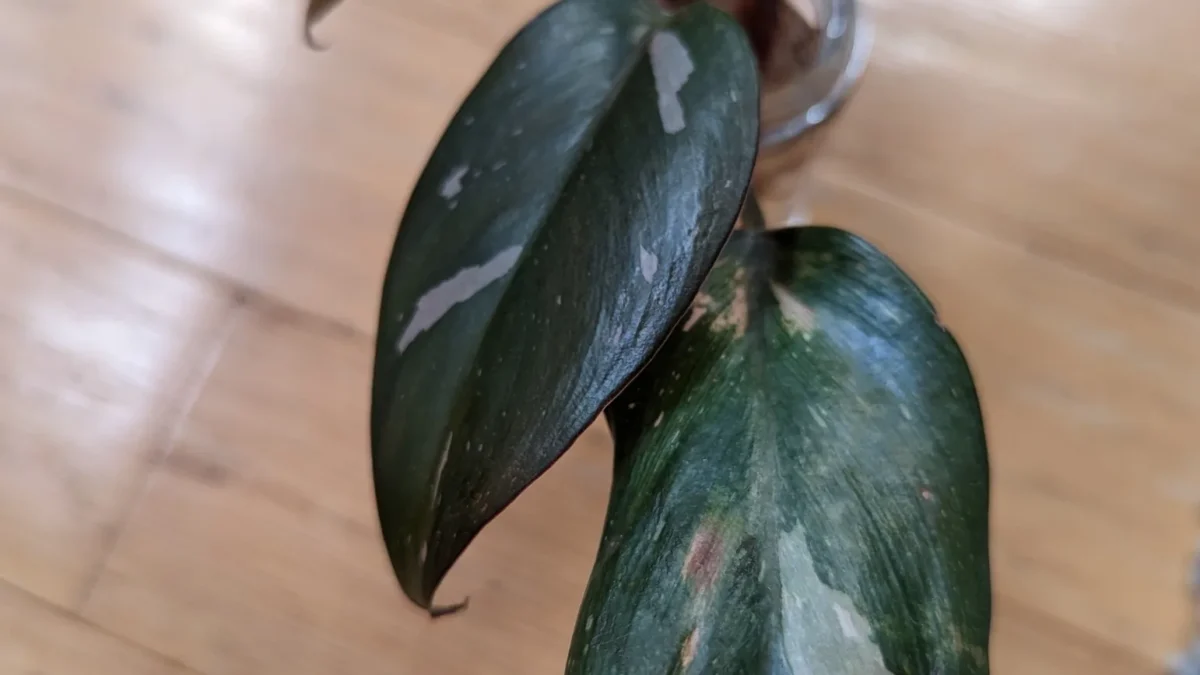
Quick answer: Yes, Pink Princess Philodendron is toxic to cats and dogs. All parts of the plant contain calcium oxalate crystals that cause oral irritation and other serious symptoms if chewed.
Pink Princess Philodendron at a glance
| Botanical name | Philodendron erubescens 'Pink Princess' |
|---|---|
| Light | Bright indirect light; avoid harsh afternoon sun; 12,000–22,000 lux to maintain variegation |
| Watering | Water when top 1–2 inches of soil dry; every 7–10 days spring/summer, 14–21 days fall/winter |
| Humidity | 50–70% relative humidity optimal; average 50% acceptable |
| Temperature | 65–85°F (18–29°C); avoid below 59°F (15°C) |
| Soil | Loose, free-draining, rich organic houseplant compost; well-aerated potting mix |
| Feeding | Balanced liquid fertilizer monthly during growing season |
| Size | Up to 4 feet tall with 2-foot spread; slow-growing |
| Difficulty | easy |
What Happens If a Pet Chews Pink Princess Philodendron
If your cat or dog chews this plant, they’ll experience immediate pain. The calcium oxalate crystals trigger intense burning of the mouth and lips, drooling, vomiting, and difficulty swallowing. Reactions vary between animals, but any ingestion should be treated as urgent, especially for cats.
Every part of the plant is dangerous—leaves, stems, petioles, and sap all contain the harmful crystals.
How to Keep Your Pet Safe
The most effective protection is location. Place your Pink Princess on high shelves, in wall-mounted planters, or in rooms your pets cannot access. Don’t keep it on coffee tables or other low surfaces where curious paws can reach it.
If you suspect your pet has chewed the plant, contact ASPCA Animal Poison Control immediately at 1-888-426-4435. Have details ready: the pet’s weight, what part of the plant was eaten, and when it happened.
Is Pink Princess Philodendron toxic to humans?
Yes. Philodendron erubescens ‘Pink Princess’ is toxic to humans as well as cats, dogs, and other domestic animals. Avoid touching your eyes or mouth after handling the plant, and teach children not to put any part of it in their mouth.
What if my pet shows symptoms?
Watch for drooling, pawing at the mouth, vomiting, or signs of pain when swallowing. Call ASPCA Animal Poison Control at 1-888-426-4435 or your veterinarian immediately. Have the plant or a photo of it available so you can confirm the identification.
Read the full guide: Pink Princess Philodendron Care: The Complete Guide
More about Pink Princess Philodendron
The same problem in other plants
- Is Baby Tears Safe for Cats and Dogs?
- Is Pencil Cactus Toxic to Dogs and Cats?
- Is Elephant Bush Toxic to Cats, Dogs, and Pets?
- Is Fishbone Cactus Toxic to Cats and Dogs?
Sources
- Philodendron Pink Princess Care Guide
- Philodendron Pink Princess Care Guide: Light & Variegation
- My cat ate Pink Princess Philodendron — what to do
Photo: nikokin / iNaturalist, CC BY 4.0