Pink Princess Philodendron Philodendron erubescens 'Pink Princess'
Why Are My Pink Princess Philodendron Leaves Turning Yellow?
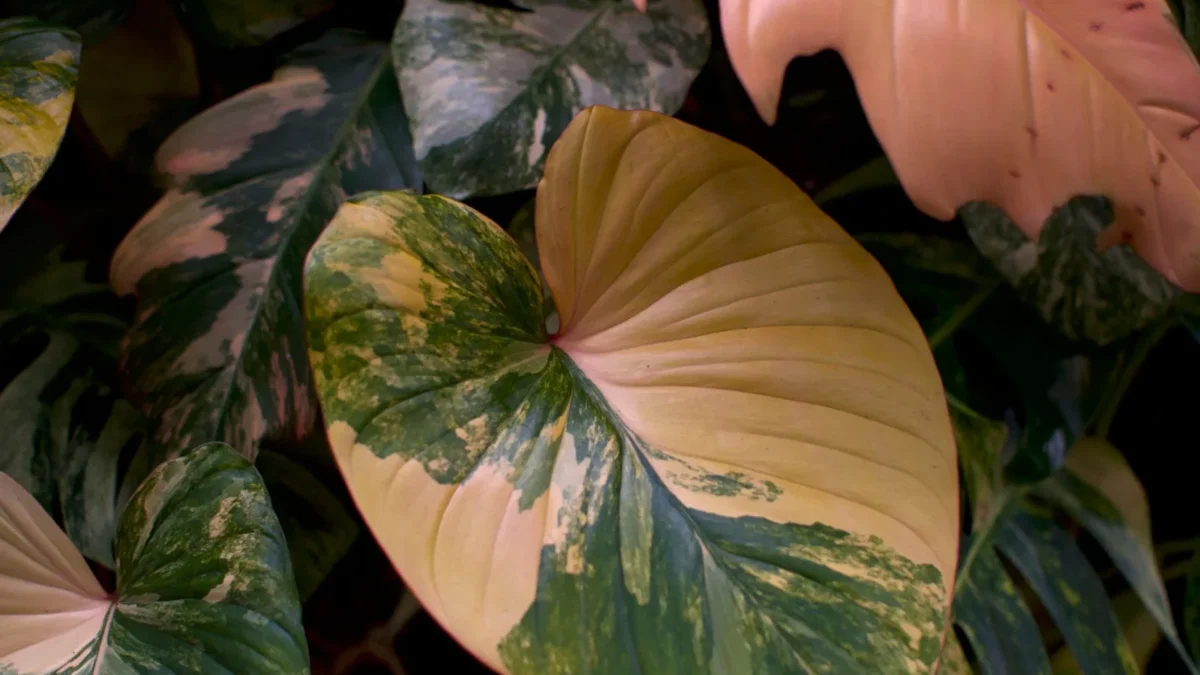
Quick answer: Yellow leaves on your Pink Princess Philodendron usually signal overwatering or poor drainage causing root rot. Less commonly, they can result from nutrient deficiency, low light, cold temperatures, or natural aging of older leaves.
Pink Princess Philodendron at a glance
| Botanical name | Philodendron erubescens 'Pink Princess' |
|---|---|
| Light | Bright indirect light; avoid harsh afternoon sun; 12,000–22,000 lux to maintain variegation |
| Watering | Water when top 1–2 inches of soil dry; every 7–10 days spring/summer, 14–21 days fall/winter |
| Humidity | 50–70% relative humidity optimal; average 50% acceptable |
| Temperature | 65–85°F (18–29°C); avoid below 59°F (15°C) |
| Soil | Loose, free-draining, rich organic houseplant compost; well-aerated potting mix |
| Feeding | Balanced liquid fertilizer monthly during growing season |
| Size | Up to 4 feet tall with 2-foot spread; slow-growing |
| Difficulty | easy |
| What you see | Likely cause | What to do |
|---|---|---|
| Yellow leaves, soft mushy roots, wet soil | Overwatering or root rot | Repot into fresh, well-draining soil; trim severely affected roots; reduce watering frequency |
| Yellow leaves but soil seems okay | Poor drainage | Switch to a looser, free-draining potting mix; ensure the pot has drainage holes |
| Yellow lower leaves only; rest looks healthy | Natural senescence | Remove old yellowing leaves; this is normal aging |
| Yellowing plus pale or mostly green new growth | Insufficient light | Move closer to a bright window; provide 12,000–22,000 lux for optimal variegation |
| Yellow leaves, slow growth, no new variegation | Nutrient deficiency | Apply balanced liquid fertilizer monthly during growing season |
| Yellow leaves after cold exposure | Temperature stress | Keep plant above 59°F (15°C); move away from drafts or cold windows |
The most common cause: overwatering and root rot
Overwatering is the top culprit behind yellow leaves in Pink Princess Philodendrons. When roots sit in waterlogged soil, they suffocate and can’t access oxygen, leading to decay and yellowing foliage. The excess moisture also creates conditions for root rot, turning roots brown and mushy.
The fix is straightforward: reduce watering and improve drainage immediately. Check the soil before watering—it should feel dry in the top 1–2 inches. During spring and summer, this usually means watering every 7–10 days, but in fall and winter, stretch it to every 14–21 days. Always let your finger or a moisture meter guide you rather than sticking to a fixed schedule.
If root rot has developed, repot the plant into fresh, well-draining soil. Trim away any severely affected roots before planting it in a loose, organically fertile mix that prevents waterlogging.
Poor drainage in the potting mix
Even if you’re watering correctly, the wrong soil can trap moisture and cause yellowing. Your Pink Princess needs a loose, free-draining houseplant compost. Compact or dense mixes hold water too long, suffocating roots.
Repot into a well-aerated potting mix designed for philodendrons. The soil should feel light and chunky, not heavy or clay-like.
Other causes: light, nutrients, and temperature
If drainage and watering aren’t the issue, check these factors. Yellow leaves can signal nutrient deficiency, especially if new growth looks pale or stunted. Apply a balanced liquid fertilizer monthly during the growing season to address this.
Insufficient light also contributes to yellowing. When light is too low, the plant prioritizes green chlorophyll production and loses pink variegation. Provide bright, indirect light—12,000–22,000 lux—to keep the plant healthy and maintain its signature pink coloring.
Cold temperatures below 59°F (15°C) stress the plant and can trigger yellowing. Keep your Pink Princess in a warm spot away from cold drafts and windows in winter.
Natural senescence is normal: older lower leaves yellow and drop as the plant grows. Simply remove them.
Preventing future yellowing
Let the top 1–2 inches of soil dry between waterings to prevent root rot. Use a loose, well-aerated, free-draining potting mix. Maintain bright, indirect light, steady warmth between 65–85°F (18–29°C), and feed monthly with balanced fertilizer during the growing season. Check soil moisture with your finger before watering—never follow a calendar blindly.
FAQ
Can yellow leaves turn green again?
Once a leaf has turned yellow from root rot or severe nutrient deficiency, it won’t recover. Remove yellowing leaves to direct the plant’s energy toward healthy new growth.
How quickly does root rot develop?
Root rot can develop within days of consistent overwatering, especially in cool conditions. The sooner you catch yellowing and check the roots, the better your chances of saving the plant.
Should I fertilize if my plant is stressed?
No. If you suspect root rot or severe nutrient deficiency, repot first and let the plant recover for a few weeks before feeding. Once new growth appears, resume monthly fertilizing during the growing season.
Read the full guide: Pink Princess Philodendron Care: The Complete Guide
More about Pink Princess Philodendron
The same problem in other plants
- Why Are My Echeveria Leaves Turning Yellow?
- Why Are My Orange Bird of Paradise Leaves Turning Orange?
- Why Is My Pencil Cactus Turning Yellow?
- Why Are My Elephant Bush Leaves Turning Yellow?
Sources
- Philodendron Pink Princess Care Guide
- Pink Princess Philodendron – Plant Care 101 – Gardenia.net
- Philodendron 'Pink Princess' (v)
Photo: Yufan Jiang / Pexels, Pexels