Pothos Epipremnum aureum
Why Are My Pothos Leaves Turning Yellow?
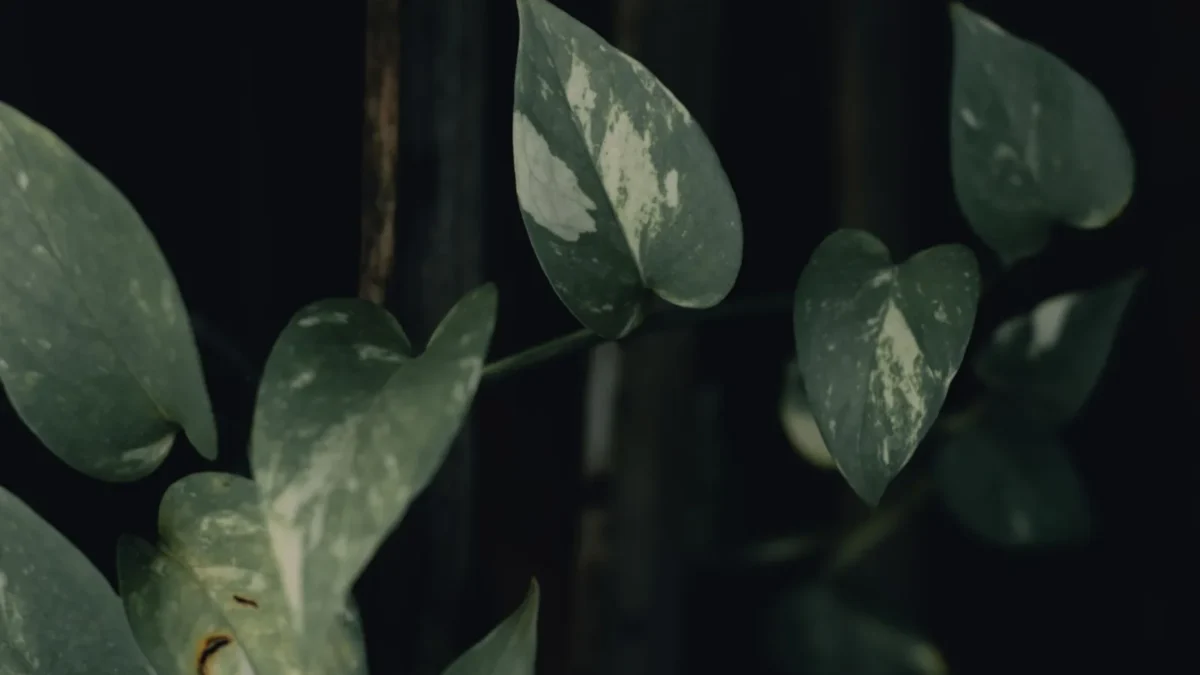
Quick answer: Pothos leaves turn yellow most often from overwatering, which causes root rot, but also from low light, nutrient deficiency, pests, or natural aging. Check your soil moisture and light conditions first, then identify the exact cause using the table below.
| Botanical name | Epipremnum aureum |
|---|---|
| Light | Bright indirect light; tolerates low light but variegation fades and growth slows |
| Watering | Water when top 1-2 inches of soil feels dry; every 7-14 days average |
| Humidity | Moderate to high humidity, above 40%; mist leaves or use humidifier if dry |
| Temperature | 60-85°F (15-29°C) |
| Soil | Well-draining mix: orchid bark, perlite, peat, or coco coir; moist but not soggy |
| Feeding | Balanced water-soluble fertilizer every 2-3 months during spring and summer |
| Size | Trailing vine; mature leaves to 30 inches long with deep lobes |
| Difficulty | easy |
| Cats | ⚠️ toxic — Insoluble calcium oxalates cause oral irritation, burning, drooling, vomiting |
| Dogs | ⚠️ toxic — Insoluble calcium oxalates cause oral irritation, burning, drooling, vomiting |
| What you see | Likely cause | What to do |
|---|---|---|
| Yellow leaves + soft, mushy black roots | Overwatering and root rot | Repot in fresh, well-draining soil immediately; trim away black, mushy roots |
| Yellow leaves + dry, crumbly soil | Underwatering | Water immediately; check soil 1–2 times per week and water when top 1–2 inches feels dry |
| Yellowing mainly on older leaves | Nutrient deficiency | Fertilize with balanced water-soluble fertilizer every 2–3 months during spring and summer; repot every 2–3 years to refresh soil |
| Yellow leaves + slow growth in dim light | Poor light | Move to bright, indirect light; pothos can survive in 500 lux but variegation fades and growth slows dramatically |
| Mottled yellow pattern + fine webbing or tiny insects | Spider mites, scale, or mealybugs | Isolate plant and treat with horticultural oil or neem spray; spray undersides of leaves |
| Yellow leaves throughout the plant | Natural aging | This is normal; older leaves cannot return to green and will eventually drop |
Overwatering—the most common cause
Overwatering is the most common and most dangerous cause of yellow pothos leaves. When soil stays constantly wet, root cells run out of oxygen and begin to ferment instead of respire, producing far less energy and toxic byproducts. Unhealthy roots affected by root rot appear black and feel mushy—these should be trimmed away to stop the disease spreading. The best way to save a yellowing pothos from overwatering is to repot it in fresh, well-drained soil.
To prevent overwatering, water when the top 1–2 inches of soil feels dry to the touch. It’s better to check soil moisture and use that as a gauge than to follow a strict schedule. In summer, you may water 1–2 times per week, but in winter, once every 10–14 days is usually enough. Use a well-draining mix such as orchid bark, perlite, peat, or coco coir to keep soil moist but never soggy.
Light and nutrient problems
Yellow leaves can also signal insufficient light. Too much shade slows growth; too much sun causes leaves to lose vibrancy. Move your pothos to bright, indirect light to correct yellowing from poor light.
Nutrient deficiencies can occur in older plants that have not been repotted for several years. Nitrogen deficiency starts with yellowing on older leaves, potassium deficiency causes yellow edges, magnesium deficiency leads to yellowing between veins, and iron deficiency shows up on younger leaves. Fertilize your pothos with balanced, water-soluble fertilizer every 2–3 months during spring and summer; reduce feeding in fall and winter.
FAQ
Can yellow leaves turn green again?
Once pothos leaves turn yellow due to overwatering, nutrient deficiencies, or environmental stress, they typically cannot revert to their original green colour. Removing them encourages new, healthy growth.
How often should I water my pothos?
Water when the top 1–2 inches of soil feels dry; this usually means every 7–14 days on average. Only water if the top 2–3 inches or 40–50% of soil has dried; check moisture 1–2 times per week.
More about Pothos
Sources
- How Often Should I Water A Pothos Plant? – Indoor Plants For Beginners
- Why Are My Pothos Leaves Turning Yellow & Best Fixes
- Why Pothos Leaves Are Turning Yellow + Fixes that WORK
Photo: Jessika Arraes / Pexels, Pexels