Pothos Epipremnum aureum
How Often to Water Pothos: A Simple Soil-Feel Guide
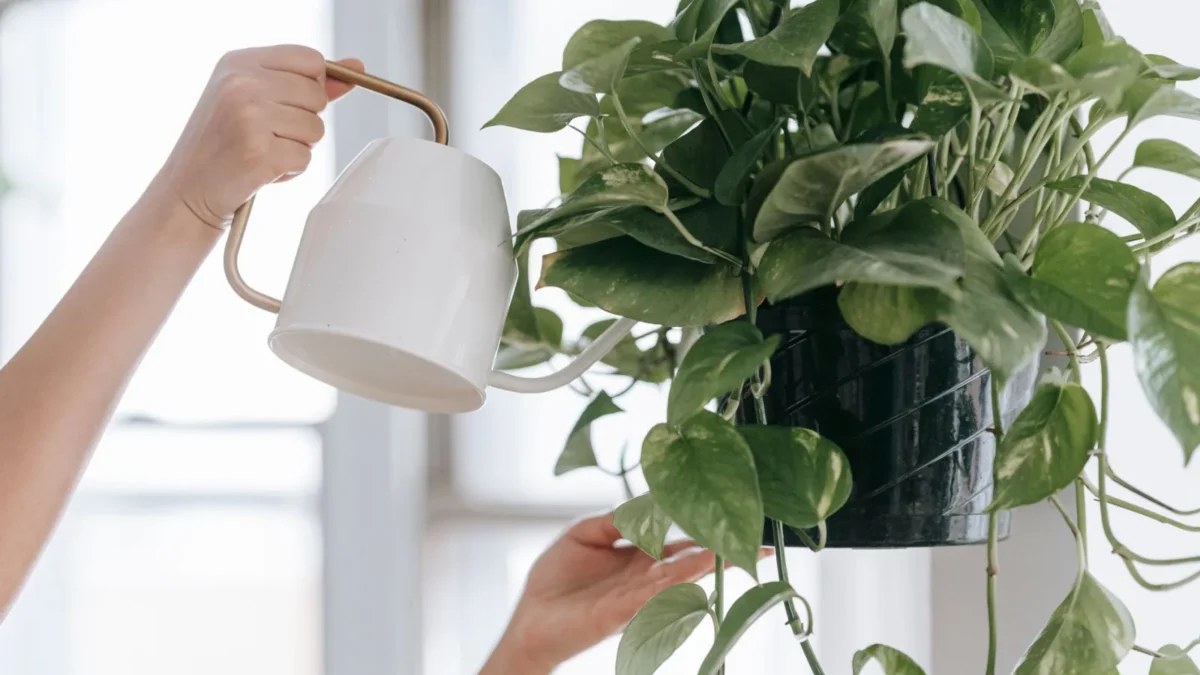
Quick answer: Water your pothos when the top 1–2 inches of soil feels dry to the touch, which typically means watering every 7 to 14 days on average. However, the best approach is to check soil moisture regularly rather than follow a fixed schedule, since indoor conditions vary.
| Botanical name | Epipremnum aureum |
|---|---|
| Light | Bright indirect light; tolerates low light but variegation fades and growth slows |
| Watering | Water when top 1-2 inches of soil feels dry; every 7-14 days average |
| Humidity | Moderate to high humidity, above 40%; mist leaves or use humidifier if dry |
| Temperature | 60-85°F (15-29°C) |
| Soil | Well-draining mix: orchid bark, perlite, peat, or coco coir; moist but not soggy |
| Feeding | Balanced water-soluble fertilizer every 2-3 months during spring and summer |
| Size | Trailing vine; mature leaves to 30 inches long with deep lobes |
| Difficulty | easy |
| Cats | ⚠️ toxic — Insoluble calcium oxalates cause oral irritation, burning, drooling, vomiting |
| Dogs | ⚠️ toxic — Insoluble calcium oxalates cause oral irritation, burning, drooling, vomiting |
How to Water Pothos: The Soil-Feel Method
Forgetting a watering schedule is actually a strength with pothos. The soil itself tells you when your plant needs water. Check the top 1–2 inches of soil 1–2 times per week with your finger; when it feels dry, water thoroughly.
This method works because conditions in your home—light, temperature, pot size, and soil type—all affect how fast moisture evaporates. A small pot on a sunny windowsill dries much faster than a large pot in a corner. By feeling the soil, you automatically adjust to your specific setup.
Pothos responds well to this flexibility. If you miss a watering, the leaves will droop noticeably, but they bounce back within hours once you water. This makes it nearly impossible to accidentally kill the plant through underwatering.
Watering Frequency by Season
Your pothos doesn’t grow or need water equally year-round.
Spring and summer: Growth accelerates and evaporation increases. Expect to water 1 to 2 times a week during summer; some weeks you may water even more often than that.
Fall and winter: Growth slows dramatically. Watering once every 10 to 14 days is often enough. The plant needs less water because it’s resting and the soil dries more slowly in cooler conditions.
Always adjust based on what you see and feel in the soil, not just the calendar.
Soil and Pot Setup Matter
Even perfect watering won’t help if the soil can’t drain properly. Pothos thrives in a well-draining mix such as orchid bark, perlite, peat, or coco coir. The soil should remain moist but never soggy; soggy soil is the root cause of the most common pothos problem—overwatering.
When soil stays constantly wet, roots suffocate and switch to fermentation, producing far less energy and toxic byproducts. Root cells die, the plant loses the ability to absorb water and nutrients, and leaves turn yellow. If this happens, unhealthy roots appear black and mushy. The best fix is to repot the plant in fresh, well-draining soil.
The golden rule: err on the side of underwatering rather than overwatering. Pothos is forgiving of dry soil but vulnerable to wet soil.
Humidity and Temperature Support Healthy Watering
Water alone isn’t enough. Pothos prefers moderate to high humidity, above 40 percent. If your home is dry—especially in winter with heating or summer with air conditioning—mist the leaves or place a humidifier nearby.
Keep temperatures between 60°F and 85°F (15–29°C). This range keeps the plant stable and the soil drying process consistent.
FAQ
Will pothos forgive me if I forget to water?
Yes. Pothos is one of the most forgiving plants for missed waterings—leaves droop when thirsty but recover within hours of watering.
Is pothos toxic to my cat or dog?
Yes, pothos is toxic to both cats and dogs. All parts of the plant—leaves, stems, roots, flowers, fruits, and seeds—contain insoluble calcium oxalates that cause oral irritation, burning, excessive drooling, vomiting, and difficulty swallowing. Keep the plant out of reach of pets.
More about Pothos
Sources
- How Often Should I Water A Pothos Plant? – Indoor Plants For Beginners
- Epipremnum aureum (Golden Pothos) – Plant Care 101
- Toxic and Non-toxic Plants: Golden Pothos
Photo: Teona Swift / Pexels, Pexels