Pothos Epipremnum aureum
Why Are My Pothos Leaves Curling? Causes and Quick Fixes
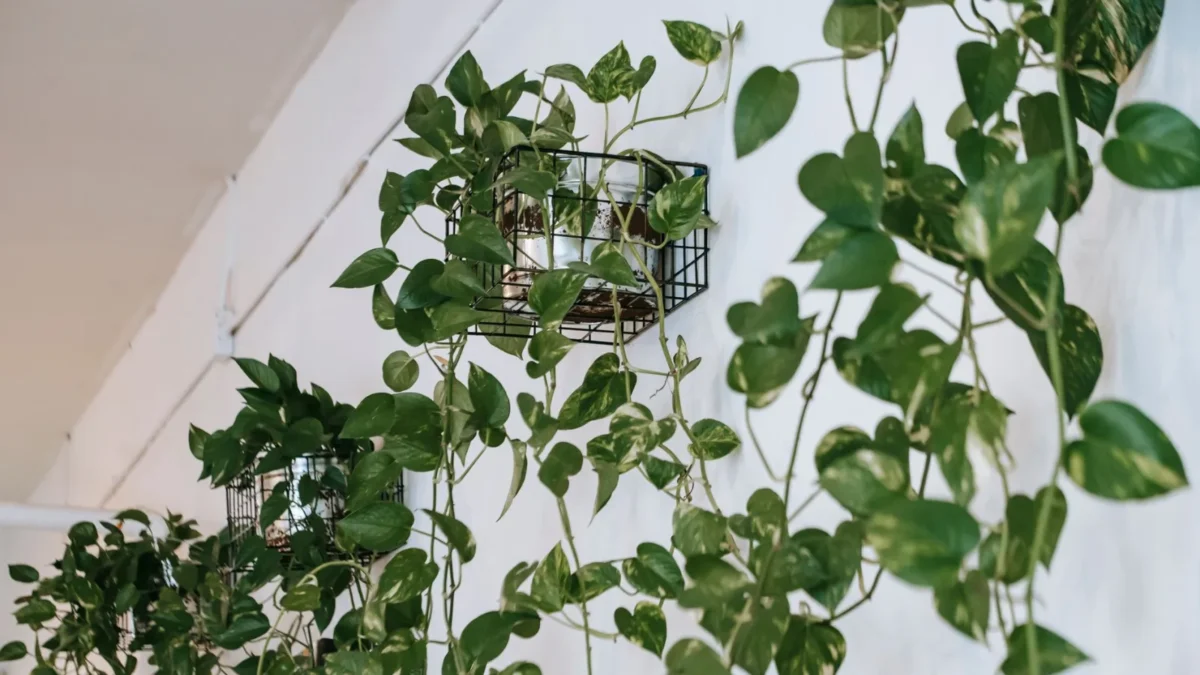
Quick answer: Pothos leaves curl inward to conserve moisture when the plant is either underwatered, overwatered, or exposed to air that’s too dry. Check your soil moisture first: if it’s bone dry, water immediately; if it’s soggy, stop watering and let it dry out; if it’s moist but leaves still curl, raise the humidity around your plant.
| Botanical name | Epipremnum aureum |
|---|---|
| Light | Bright indirect light; tolerates low light but variegation fades and growth slows |
| Watering | Water when top 1-2 inches of soil feels dry; every 7-14 days average |
| Humidity | Moderate to high humidity, above 40%; mist leaves or use humidifier if dry |
| Temperature | 60-85°F (15-29°C) |
| Soil | Well-draining mix: orchid bark, perlite, peat, or coco coir; moist but not soggy |
| Feeding | Balanced water-soluble fertilizer every 2-3 months during spring and summer |
| Size | Trailing vine; mature leaves to 30 inches long with deep lobes |
| Difficulty | easy |
| Cats | ⚠️ toxic — Insoluble calcium oxalates cause oral irritation, burning, drooling, vomiting |
| Dogs | ⚠️ toxic — Insoluble calcium oxalates cause oral irritation, burning, drooling, vomiting |
What causes pothos leaves curling
| What you see | Likely cause | What to do |
|---|---|---|
| Dry, crumbly soil and drooping leaves | Underwatering | Water deeply; feel soil before watering again (top 1-2 inches dry) |
| Moist or wet soil and curling leaves | Overwatering and root rot | Stop watering; repot in fresh, well-draining soil |
| Curling leaves but normal soil moisture | Low humidity below 40% | Mist leaves, use a humidifier, or group plants together |
| Slow growth and pale variegation | Insufficient light | Move plant to bright, indirect light |
| Leaf edges or veins yellowing with curl | Nutrient deficiency or pests | Repot or fertilize; inspect for spider mites or scale insects |
Underwatering
When pothos dries out completely, the plant curls its leaves inward to conserve moisture. Underwatering dehydrates the roots, making it difficult to pass nutrients and moisture to the rest of the plant; the leaf cells lose turgor pressure and curl to hold onto what little water remains.
The good news is pothos forgives missed waterings—leaves droop dramatically when thirsty and recover within hours once watered. If you’ve underwatered, start watering immediately; consider deep watering to soak the root ball thoroughly. Going forward, water when the top 1–2 inches of soil feels dry to the touch. In summer, you may need to water 1–2 times a week; in winter, once every 10–14 days is often enough.
Overwatering
Curling leaves with moist or wet soil signal overwatering, not drought—more water will only accelerate root rot. When soil stays waterlogged, the roots suffocate and fail to pass moisture and nutrients to the plant; leaves curl as a survival mechanism to reduce water loss.
If you’ve overwatered, stop watering immediately and let the soil dry. The best way to save the plant is to repot it in fresh, well-drained soil. Pothos thrives in a well-draining mix such as orchid bark, perlite, peat, or coco coir—soil that remains moist but never soggy. When repotting, trim off any black, mushy roots (a sign of rot); healthy roots are firm and light-colored.
Low humidity
Pothos is a tropical vine that prefers moderate to high humidity, generally above 40%. When indoor air turns dry—especially during winter heating or summer air conditioning—leaves curl inward to reduce surface area exposed to dry air and slow water loss. Low humidity alone can trigger protective curling in under 48 hours.
To increase humidity, mist the leaves regularly with water or place a humidifier nearby. You can also group your pothos with other plants to create a microclimate with higher humidity.
Light and temperature issues
Pothos tolerates low light but in a dim corner (500 lux) variegation fades and growth slows dramatically. The plant prefers temperatures between 60–85°F; prolonged exposure outside this range can stress the leaves and cause curling.
Move your pothos to bright, indirect light and ensure it stays in a warm, stable spot away from drafts or heating vents.
How to prevent pothos leaves curling
The key is consistent care tuned to your plant’s needs. Feel the soil 1–2 times per week rather than following a fixed schedule—this is far more reliable than guessing. Maintain humidity above 40% through regular misting or a humidifier. Keep the plant in bright, indirect light and protect it from direct midday sun. In spring and summer, feed with a balanced, water-soluble fertilizer every 2–3 months to prevent nutrient deficiencies that can also cause leaf curl.
FAQ
Can curled pothos leaves uncurl?
Leaves that have already curled tightly often stay that way even after you fix the problem. Once new growth appears, however, it should emerge healthy and uncurled if conditions improve.
Is leaf curl a sign of root rot?
Not always. Leaf curl can mean underwatering, overwatering, low humidity, or even natural leaf shedding. Check your soil moisture first—if it’s soggy and leaves curl despite moist soil, root rot is the likely culprit.
More about Pothos
The same problem in other plants
Sources
- Epipremnum aureum (Golden Pothos) – Plant Care 101
- Pothos Leaves Curling? 7 Reasons Why & What To Do! » Simplify Plants
- How Often Should I Water A Pothos Plant? – Indoor Plants For Beginners
Photo: Charlotte May / Pexels, Pexels