Rubber Plant Ficus elastica
Rubber Plant Care: The Complete Guide
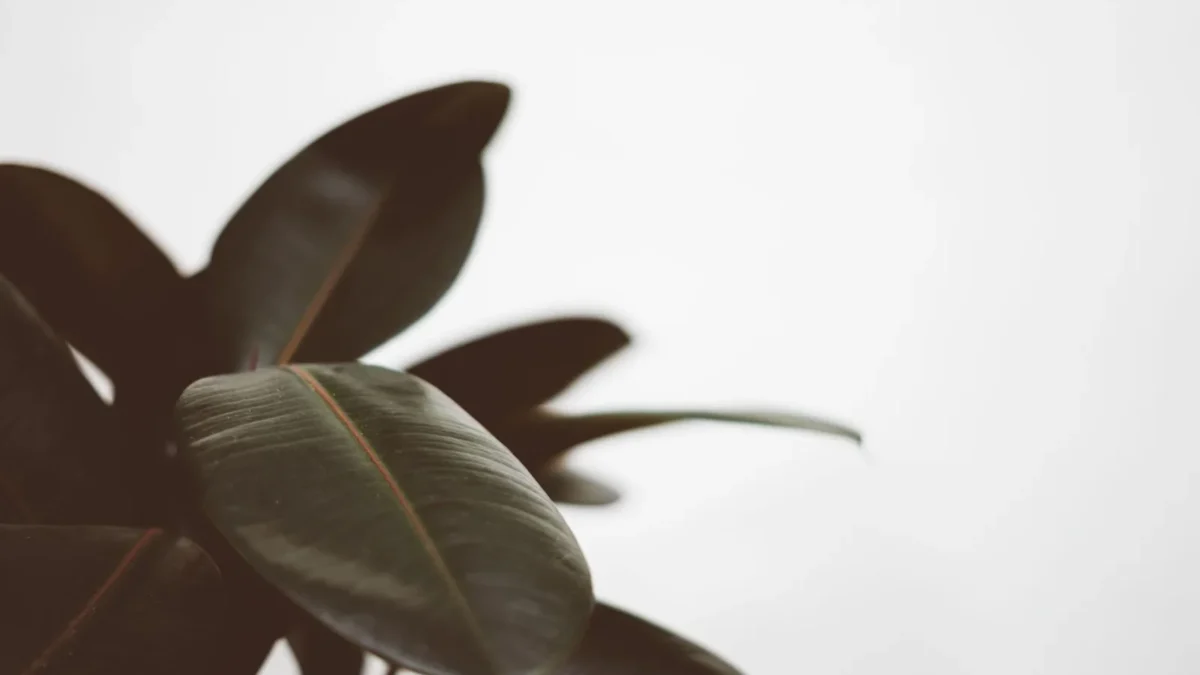
Rubber plant care comes down to giving your Ficus elastica bright indirect light, watering when the soil dries out slightly, and keeping it in warm, humid conditions. These forgiving tropical trees are among the easiest indoor plants to grow, handling typical household conditions while producing thick, glossy leaves that can reach 8 feet tall in your home. This guide covers everything you need to know to keep your rubber plant thriving.
| Botanical name | Ficus elastica |
|---|---|
| Light | Bright indirect light 6-8 hours daily; 250-1000 lux optimal; avoid full sun |
| Watering | Water when top inch of soil feels dry; every 7-10 days spring/summer; every 2-3 weeks fall/winter |
| Humidity | Moderate 40-50%; tolerates 25-35% but edges brown below 25% |
| Temperature | 60-75°F (15-24°C) optimal; tolerates brief dips to 50°F; avoid cold drafts |
| Soil | Well-draining, nutrient-rich; peat moss, perlite, pine bark blend; pH 5.5-7.0 |
| Feeding | Balanced water-soluble fertilizer at half strength monthly during growing season; withhold in winter |
| Size | Typically 8 feet as houseplant; 2-10 feet in colder climates |
| Difficulty | easy |
Key points
- Provide 6–8 hours of bright indirect light daily (250–1000 lux optimal) to prevent leaf drop and maintain vibrant foliage
- Water when the top inch of soil feels dry; every 7–10 days in spring/summer, every 2–3 weeks in fall/winter
- Maintain moderate humidity (40–50%) and temperatures between 60–75°F, away from cold drafts
- Use well-draining, nutrient-rich soil with a pH of 5.5–7.0; repot every 1–2 years in spring
- Feed with half-strength balanced fertilizer monthly during growing season; prune in spring to encourage bushier growth
- Both cats and dogs can experience mild digestive upset if they ingest rubber plant leaves
Light Requirements for Rubber Plants
Rubber plants need bright indirect light to thrive. The optimal light range is 250 to 1000 lux, which promotes healthy growth and vibrant leaf coloration. They cannot tolerate full sun, which will burn their leaves; instead, position your plant under indirect light for at least six to eight hours daily for good health.
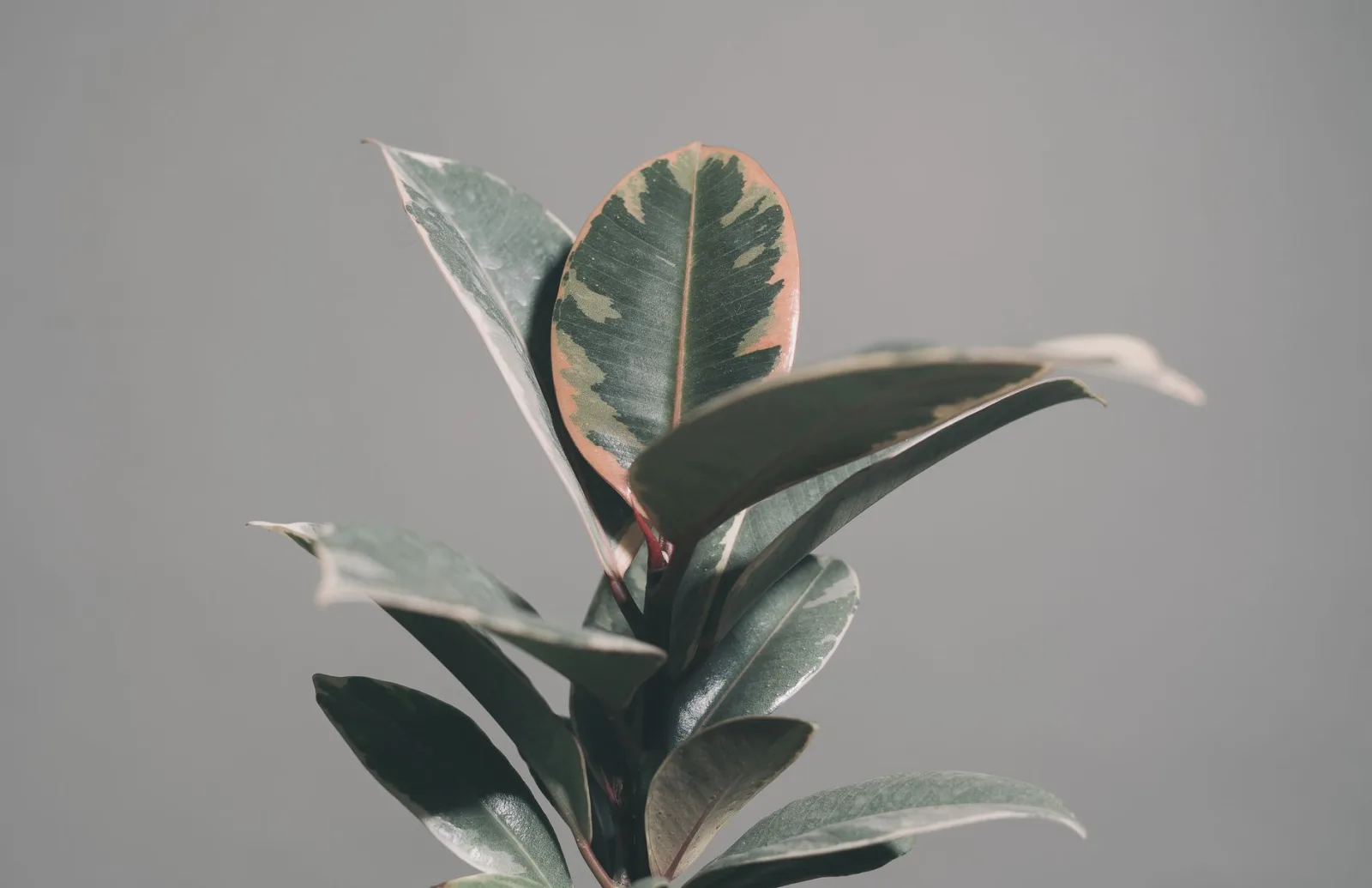
An east-facing window is perfect, as morning sun is gentle and the plant gets bright indirect light all afternoon. If you have burgundy or black varieties, they need more light to maintain their dark coloring—in low light, they’ll fade toward green. Place your plant near a window with filtered light, and if it’s in very low light, it may become stressed and start shedding leaves. When bringing a rubber plant indoors from outdoors, acclimate it slowly and consider using a plant light to maintain consistent light levels and prevent leaf drop.
Watering Your Rubber Plant
Water when the top inch of soil feels dry to the touch by pushing a finger into the soil about an inch deep—if it comes out clean and dry, it is time to water. In spring and summer during active growth, you may need to water every 7 to 10 days depending on pot size, temperature, and humidity; in fall and winter, cut back to every 2 to 3 weeks.
Rubber plants prefer consistently moist soil but do not tolerate being waterlogged. When you do water, soak the entire root ball until water runs out the drainage hole, then let the pot drain completely, and never let the plant sit in a saucer of standing water.
Overwatering and Root Rot
Overwatering is the most common mistake with rubber plants. Too much water causes the roots to be unable to breathe, leading to root rot, and the plant can’t stand up straight with drooping, despairing leaves. Symptoms of overwatering include yellowing lower leaves, a soft or mushy stem base, and soil that stays wet for more than a week after watering. Check soil moisture regularly and aim to water only when the top inch feels dry.
Underwatering
When a rubber tree droops or wilts, that usually means it’s not getting enough water. Underwatering causes leaves to droop and curl inward—the plant recovers quickly once watered, but repeated drought stress weakens it over time. Ensure the soil stays consistently moist and never becomes bone dry.
Humidity and Temperature
Rubber plants prefer moderate humidity, around 40 to 50 percent, but they tolerate the 25 to 35 percent found in most heated homes. Below 25 percent, leaf edges may turn brown and crispy, especially in winter. If your home is dry, mist the rubber tree plant daily or set the plant on a tray of pebbles filled with water to increase humidity. You can also use a humidifier to raise humidity levels.
Rubber plants thrive in temperatures ranging from 60°F to 75°F (15°C to 24°C). They can handle brief dips to 50°F (10°C) but sustained cold causes leaf drop. Avoid exposing plants to cold drafts or sudden temperature fluctuations. Cold drafts from windows or doors in your home may be hitting the plant and causing leaves to fall off; move the plant away from any draft windows or doors.
Soil and Repotting
Rubber plants thrive in well-draining, nutrient-rich soil with a slightly acidic to neutral pH range of 5.5 to 7.0. A good potting mix should contain a blend of peat moss, perlite, and pine bark. Rubber plants are easily grown in soil-based potting mix.
Repot every 1–2 years or when roots circle heavily and watering frequency spikes, sizing up only 1–2 inches (2–5 cm) wider to avoid soggy mix around fresh roots. Spring is the best time to repot.
Feeding Your Rubber Plant
Feed your rubber plant with a balanced, water-soluble fertilizer diluted to half strength once a month during the growing season (spring and summer). Start feeding in early spring to stimulate new growth, and continue through the summer. Feed during the active growing season—spring through early fall—with a balanced liquid fertilizer diluted to half strength to support lush, vigorous growth without risking fertilizer burn. Withhold all fertilizer when plants aren’t actively growing.
Pruning and Shaping
Without pruning, rubber plants tend to grow tall and leggy with a single bare stem and a cluster of leaves at the top. Regular pruning encourages branching and creates a fuller, more attractive plant. Prune in spring or summer by cutting the stem just above a node—this encourages branching and creates a bushier plant. You can cut back as much as a third of the plant’s height, and each cut point will produce 1–3 new branches.
Rubber plants produce a milky white latex sap that can irritate skin and stain surfaces. Wear gloves to protect your skin from the irritating sap, and save the cuttings for propagation.
Propagating Rubber Plants
Rubber trees can be propagated by semi-hardwood cuttings or by air layering.
Stem Cuttings
Choose a healthy stem with at least one leaf and a node (the point where a leaf attaches to the stem), and cut a 10–15 cm (4–6 inch) section below the node. Remove any lower leaves, leaving a few at the top.
Fill a small pot with fresh, well-draining potting mix, insert the cutting into the soil, burying at least one node, and gently firm the soil around the base for support. Roots should begin forming in 3–4 weeks; wait until the roots are 3–4 inches long before potting them up.
If you choose to use rooting hormone, dip the cut end into the powder to promote root growth.
Water Propagation
You could try rooting cuttings in water and keep them in a bright, warm location and watch for roots—roots typically form within 4–6 weeks. However, water propagation often causes rubber plants to rot before they root, so soil propagation is more reliable.
Air Layering
Make a shallow cut on a mature stem just below a node and insert a toothpick to keep it slightly open, then wrap with moist sphagnum and plastic film and secure. Once you see strong roots through the moss (4–8 weeks), cut below the layer and pot the new plant.
Common Problems and Solutions
Leaf Drop
A common reason for rubber plants losing leaves is a change in light, which often happens when you bring your rubber tree plant in from outdoors, and this change can cause a total drop of leaves. Low light conditions can stress the plant and start shedding leaves. Ensure your rubber plant is in a location where it receives plenty of indirect sunlight. Acclimate the plant slowly when bringing it indoors and use plant lights if needed.
Rubber tree plants need higher humidity—houses can be dry, especially in winter when the heat is on—and this lack of humidity can cause leaves falling off. A rubber plant will drop its leaves when overwatered; most people think leaves drop due to underwatering, but it’s often due to overwatering, especially with drought-resistant plants like rubber plants. Check soil moisture regularly and water only when the top inch feels dry.
Rubber tree plants are susceptible to cold air—while your home may be the right temperature, cold drafts from windows or doors may be hitting the plant and causing leaves to fall off. Move the plant away from any draft windows or doors. Pests are another common reason; rubber tree plants are susceptible to scale bugs, which cause leaves to drop off until the plant is treated. Treat scale or other pests with an insecticide like neem oil.
Drooping or Wilting Leaves
When a rubber tree droops or wilts, it usually means it’s not getting enough water. Ensure the soil stays consistently moist. Without enough light, your rubber plant’s stems get weak, causing leaves to droop. Move it closer to a window if needed. Drooping could also be from transplant shock, which is normal—if it’s from repotting, leave your plant where it is and maintain proper soil moisture until it recovers. Check for pests like spider mites and aphids, which can weaken your plant and result in leaf drop; examine the undersides of leaves for signs of pests and treat them promptly with insecticidal soap or neem oil.
Brown Leaf Edges
Low humidity or salt buildup from fertilizer causes brown leaf edges; increase humidity and flush the soil.
Curling Leaves
Curling of the leaves is most likely due to inadequate watering or low humidity. If the air in your home is dry, add more humidity by misting the leaves or using a humidifier.
Yellowing Leaves
Yellowing leaves are often caused by overwatering, but can also be due to underwatering, poor drainage, or insufficient light. Check your watering habits and light conditions.
FAQ
Is rubber plant toxic to cats?
Yes, rubber plants are mildly toxic to cats. Ingesting this plant may cause an upset stomach, vomiting, diarrhea, and discomfort in cats but is not typically fatal. The toxic principles are the proteolytic enzyme ficin and psoralen ficusin; ficin can cause oral and skin irritation.
Is rubber plant toxic to dogs?
Yes, rubber plants are mildly toxic to dogs. Ingesting this plant may cause an upset stomach, vomiting, diarrhea, and discomfort in dogs but is not typically fatal.
How often should I water my rubber plant?
Water every 7–10 days in spring and summer during active growth, and every 2–3 weeks in fall and winter. Always check that the top inch of soil feels dry before watering.
How much light does a rubber plant need?
Rubber plants need 6–8 hours of bright indirect light daily. The optimal light range is 250–1000 lux. Avoid full sun, which will burn the leaves.
When should I repot my rubber plant?
Repot every 1–2 years or when roots circle heavily and watering frequency spikes, sizing up only 1–2 inches wider. Spring is the best time to repot.
Can I propagate a rubber plant from a single leaf?
No, you need a stem cutting with at least one leaf and a node (the point where a leaf attaches). Cut a 4–6 inch section below the node and root it in soil or water.
More about Rubber Plant
Sources
- Rubber Plant Care Guide: Light, Water, Soil, and Growth
- Ultimate Guide to Caring for the Rubber Plant (Ficus elastica)
- Are rubber trees toxic to cats? The experts weigh in on these popular indoor plants
Photo: Scott Webb / Pexels, Pexels