Rubber Plant Ficus elastica
Why Is My Rubber Plant Drooping? Common Causes and How to Fix It
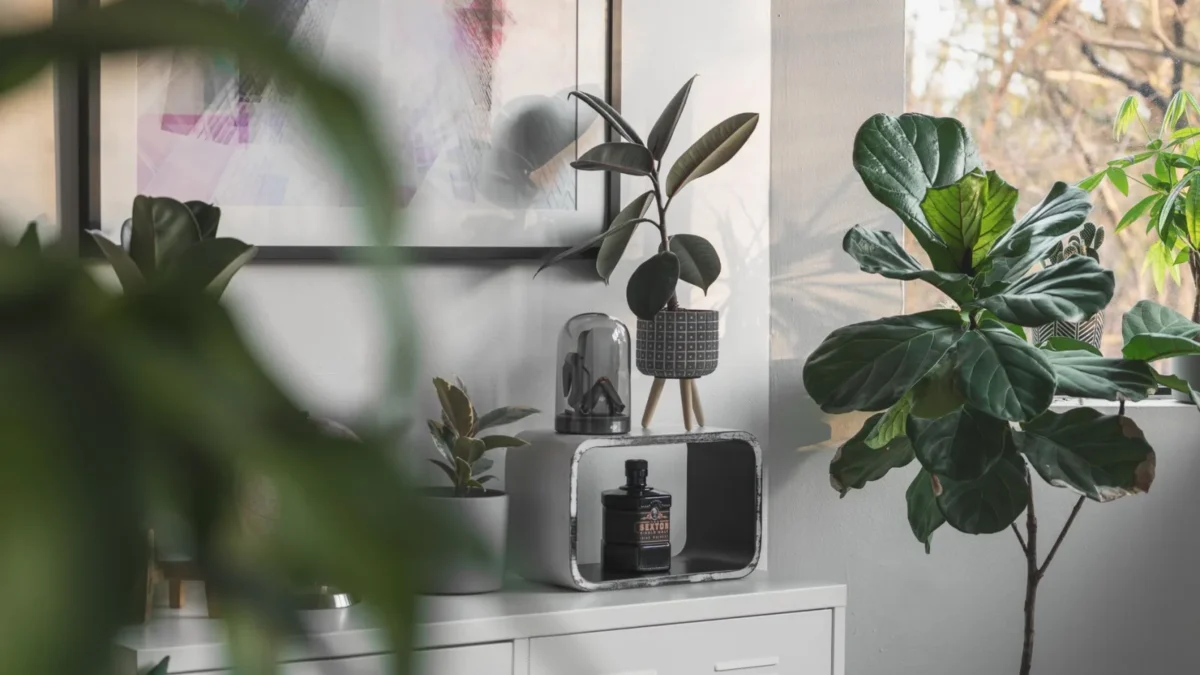
Quick answer: Rubber plant drooping usually stems from overwatering, poor light, low humidity, cold drafts, or pests. Check your watering schedule first—most drooping happens because the soil stays too wet—then review light, temperature, and humidity conditions.
| Botanical name | Ficus elastica |
|---|---|
| Light | Bright indirect light 6-8 hours daily; 250-1000 lux optimal; avoid full sun |
| Watering | Water when top inch of soil feels dry; every 7-10 days spring/summer; every 2-3 weeks fall/winter |
| Humidity | Moderate 40-50%; tolerates 25-35% but edges brown below 25% |
| Temperature | 60-75°F (15-24°C) optimal; tolerates brief dips to 50°F; avoid cold drafts |
| Soil | Well-draining, nutrient-rich; peat moss, perlite, pine bark blend; pH 5.5-7.0 |
| Feeding | Balanced water-soluble fertilizer at half strength monthly during growing season; withhold in winter |
| Size | Typically 8 feet as houseplant; 2-10 feet in colder climates |
| Difficulty | easy |
| What you see | Likely cause | What to do |
|---|---|---|
| Drooping leaves, stems feel mushy, soil wet for over a week | Overwatering or poor drainage | Let soil dry out. Water only when the top inch feels dry. Ensure pot has drainage holes. |
| Drooping and curling leaves, plant recovers quickly after watering | Underwatering | Water more regularly. Soil should stay consistently moist but not waterlogged. |
| Drooping, weak stems, pale or slow growth | Insufficient light | Move plant closer to a window with bright indirect light, ideally 6–8 hours daily. |
| Drooping, yellowing or browning lower leaves, mushy stem base | Root rot from waterlogging | Repot into fresh, well-draining soil. Reduce watering frequency going forward. |
| Drooping after moving or repotting | Transplant shock | Leave plant undisturbed. Maintain proper soil moisture and wait for recovery. |
| Leaves drooping and falling, visible pests on undersides of leaves | Spider mites, scale bugs, or aphids | Treat with neem oil or insecticidal soap, focusing on leaf undersides. |
Why is my rubber plant drooping: Overwatering
Overwatering is the leading cause of drooping rubber plants. Too much water prevents roots from breathing, leading to root rot. The leaves turn yellow or brown and feel mushy before they droop.
To fix this, stop watering so frequently. Water only when the top inch of soil feels dry to the touch. In spring and summer, this typically means watering every 7 to 10 days; in fall and winter, reduce to every 2 to 3 weeks.
When you do water, soak the entire root ball until water drains from the pot, then let it drain completely. Never let the plant sit in standing water. If the soil stays wet for more than a week after watering, your drainage is poor—repot into a well-draining mix with peat moss, perlite, and pine bark.
Why are my rubber plant leaves drooping: Underwatering
While less common than overwatering, underwatering also causes drooping. The leaves droop and curl inward as the plant loses turgor pressure. The good news: rubber plants bounce back quickly once watered.
Check soil moisture by pushing your finger 1 inch into the soil. If it’s bone dry, water thoroughly until it drains. Going forward, maintain consistency—the soil should stay moist but never waterlogged.
Insufficient light and drooping
Without enough light, your rubber plant’s stems weaken and leaves droop. Rubber plants need bright indirect light for 6–8 hours daily; the optimal range is 250 to 1000 lux. They cannot tolerate full sun, which burns leaves, but they do need indirect light.
Move your plant closer to a window with filtered light. An east-facing window is ideal—morning sun is gentle, and the plant gets bright indirect light all afternoon. If low light is unavoidable, use a plant light to supplement.
Humidity, temperature, and pest issues
Rubber plants prefer moderate humidity around 40–50%, though they tolerate 25–35%. Below 25%, leaf edges brown and leaves may droop. Mist the plant daily or set it on a tray of pebbles filled with water to raise humidity.
Temperature stress causes drooping too. Rubber plants thrive between 60°F and 75°F. They tolerate brief dips to 50°F, but sustained cold causes leaf drop. Keep the plant away from cold drafts from windows or doors.
Pests also trigger drooping. Scale bugs and spider mites weaken plants, causing leaves to fall. Check the undersides of leaves for tiny insects or sticky residue. Treat infestations promptly with neem oil.
How to prevent your rubber plant from drooping
Checkwater habits first—let soil dry slightly between waterings and ensure excellent drainage. Provide bright indirect light for at least 6 hours daily, keep temperatures steady between 60–75°F, and maintain humidity above 25%. Inspect leaves monthly for pests, and repot every 1–2 years when roots circle heavily. With these basics in place, your rubber plant will stay upright and healthy.
Read the full guide: Rubber Plant Care: The Complete Guide
More about Rubber Plant
The same problem in other plants
- Why Is My Peace Lily Drooping?
- Why Is My Fiddle Leaf Fig Drooping?
- Why Is My Monstera Drooping or Wilting?
Sources
- Rubber Plant Care Guide: Light, Water, Soil, and Growth
- Information On What Causes Rubber Tree Plant Leaves Falling Off
- Why Are My Rubber Plant Leaves Falling Over?
Photo: Scott Webb / Pexels, Pexels