Rubber Plant Ficus elastica
Why Are My Rubber Plant Leaves Falling Off
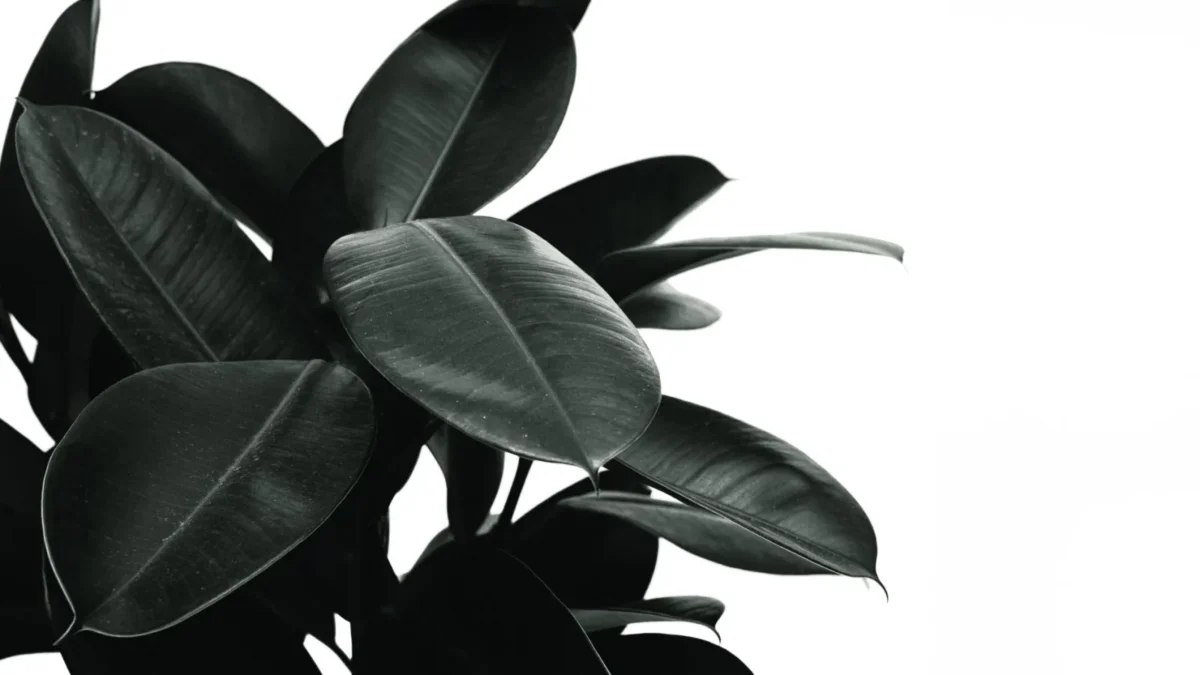
Quick answer: Rubber plant leaves fall off most often due to overwatering, sudden light changes, low humidity, cold drafts, or pests. The good news is that once you identify the cause, you can stop leaf drop and restore your plant’s health.
| Botanical name | Ficus elastica |
|---|---|
| Light | Bright indirect light 6-8 hours daily; 250-1000 lux optimal; avoid full sun |
| Watering | Water when top inch of soil feels dry; every 7-10 days spring/summer; every 2-3 weeks fall/winter |
| Humidity | Moderate 40-50%; tolerates 25-35% but edges brown below 25% |
| Temperature | 60-75°F (15-24°C) optimal; tolerates brief dips to 50°F; avoid cold drafts |
| Soil | Well-draining, nutrient-rich; peat moss, perlite, pine bark blend; pH 5.5-7.0 |
| Feeding | Balanced water-soluble fertilizer at half strength monthly during growing season; withhold in winter |
| Size | Typically 8 feet as houseplant; 2-10 feet in colder climates |
| Difficulty | easy |
| What you see | Likely cause | What to do |
|---|---|---|
| Yellowing or brown leaves before they drop | Overwatering | Check soil moisture before watering; water only when top inch of soil feels dry |
| Leaves drop suddenly after moving indoors | Light change | Acclimate slowly and use plant lights to maintain bright indirect light |
| Brown leaf edges or crispy foliage | Low humidity | Mist daily or set pot on a tray of pebbles filled with water |
| Leaf drop near windows or doors | Cold drafts | Move plant away from drafts; maintain 60–75°F (15–24°C) |
| Sticky residue, webbing, or spots on leaves | Pests | Treat with neem oil or insecticidal soap |
Overwatering Is the Most Common Culprit
Overwatering causes more rubber plant leaf drop than underwatering does. Many people assume drought kills plants, but rubber plants are drought-tolerant, and soggy soil is far worse. When overwatered, leaves turn yellow or brown and may become mushy before falling off.
The best way to water is to check the soil by pushing your finger in about an inch—if it feels clean and dry, water thoroughly. In spring and summer, this usually means watering every 7 to 10 days; in fall and winter, cut back to every 2 to 3 weeks. When you do water, soak the entire root ball until water drains from the bottom, then let it drain completely—never let the pot sit in standing water.
Light Changes and Low Light
A common reason rubber plants drop leaves is a change in light, which often happens when you bring the plant indoors from outdoors. Acclimate the plant slowly and use grow lights to keep light levels steady and prevent leaf drop.
Rubber plants need bright indirect light for at least 6 to 8 hours daily and cannot tolerate full sun, which burns leaves. In very low light, the plant becomes stressed and sheds leaves. Place your rubber plant near a window with filtered light—an east-facing window is ideal, as it receives gentle morning sun and bright indirect light all afternoon.
Humidity, Temperature, and Pests
Rubber plants prefer higher humidity, but homes are often dry, especially in winter with heating on, and this lack of humidity causes leaf drop. These plants prefer around 40–50% humidity but tolerate 25–35%; below 25%, leaf edges turn brown and crispy. Mist the plant daily or set it on a tray of pebbles filled with water to raise humidity.
Cold air is another culprit—rubber plants tolerate brief dips to 50°F, but sustained cold causes leaf drop. Move your plant away from cold drafts near windows or doors.
Pests like scale bugs cause rubber plants to drop leaves. Treat infestations with neem oil or insecticide. Spider mites and aphids can also weaken the plant—check the undersides of leaves and treat promptly.
FAQ
Why are my rubber plant leaves falling off even though I water regularly?
You may be overwatering. Overwatering causes yellow or brown leaves that fall off. Check that the top inch of soil is dry before watering, and ensure the pot has drainage holes so water can escape completely.
Can I save a rubber plant that’s already lost most of its leaves?
Yes. Once you fix the underlying cause—whether it’s light, humidity, watering, or temperature—your plant will recover and grow new leaves. Be patient; growth takes time, especially in winter.
How much light does a rubber plant really need?
Rubber plants thrive in bright indirect light with 250 to 1000 lux and need at least 6 to 8 hours daily. Place it near a filtered-light window rather than in a dark corner.
Read the full guide: Rubber Plant Care: The Complete Guide
More about Rubber Plant
Sources
- Rubber Plant Care Guide: Light, Water, Soil, and Growth
- Information On What Causes Rubber Tree Plant Leaves Falling Off
- Why Are the Leaves Falling Off My Rubber Plant?
Photo: Scott Webb / Pexels, Pexels