Ti Plant Cordyline fruticosa
Ti Plant Care: The Complete Guide to Growing Healthy Cordyline Indoors
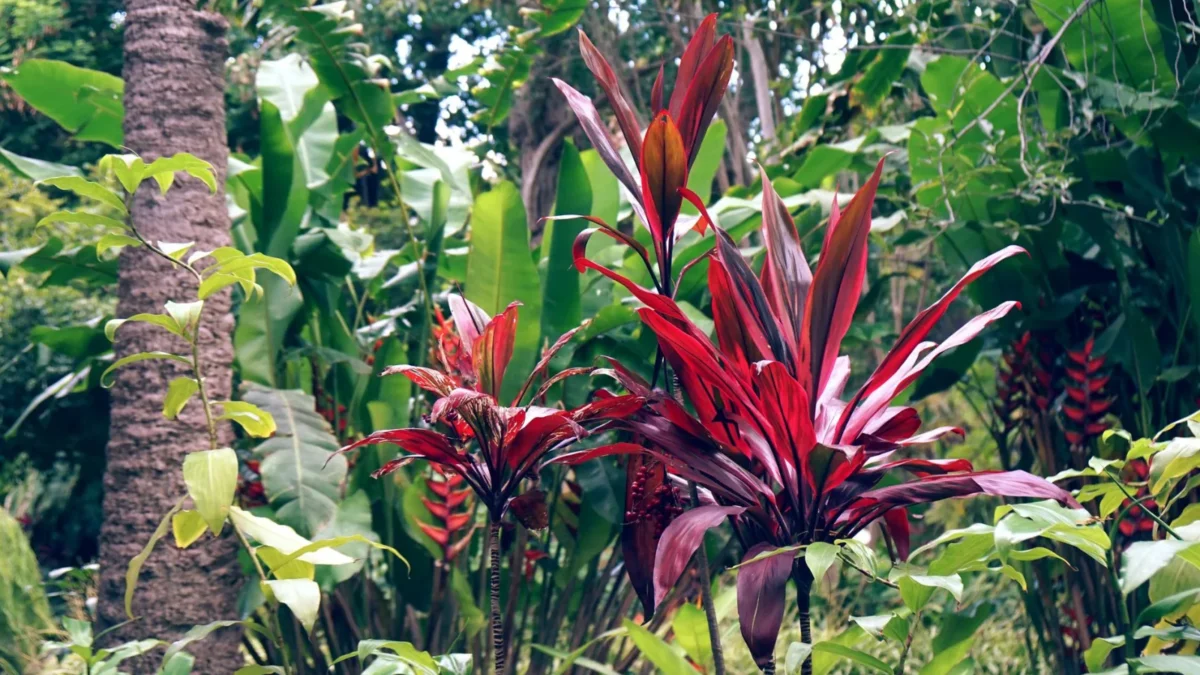
Ti plant care begins with understanding that this tropical beauty thrives in warm, humid conditions and needs consistent—but not excessive—watering. Known botanically as Cordyline fruticosa and belonging to the Asparagaceae family, the ti plant can reach 3–6 feet tall indoors, adding dramatic foliage to any room. Learning its specific needs will help you keep it healthy for years; the most common mistakes are overwatering and underestimating humidity requirements.
| Botanical name | Cordyline fruticosa |
|---|---|
| Light | Bright indirect light; tolerates part to full shade |
| Watering | Water when top 1-2 in of soil is dry; sparingly in winter |
| Humidity | 40-60% RH; mist daily or use humidifier; keep ≥50% RH |
| Temperature | 65-85°F; avoid below 55°F and cold drafts |
| Soil | Well-drained, peaty, acidic potting mix; pH 5.5-6.5; high organic matter |
| Feeding | Balanced liquid feed monthly during growing season (April-September) at half strength |
| Size | 3-6 ft tall indoors; 0.7 m wide at maturity; reaches ultimate height in 8-10 years |
| Difficulty | moderate |
Key points
- Water when the top inch of soil is dry; overwatering causes over 70% of ti plant losses
- Maintain humidity at 50% or higher; mist daily or use a humidifier for best results
- Provide bright indirect light; the plant tolerates shade but grows best with 1,500–3,000 lux
- Keep temperatures between 65–85°F; avoid cold below 55°F which triggers rapid leaf drop
- Use well-draining, acidic soil (pH 5.5–6.5) high in organic matter
- Feed monthly during growing season (April–September) at half strength
Light Requirements for Ti Plants
Ti plants should be grown in bright filtered light. The ideal location is somewhere half-shadowed or facing indirect sunlight, where the plant receives 1,500–3,000 lux of light. This means a spot near a window with a sheer curtain works perfectly, or a few feet back from an east- or west-facing window.
While the plant tolerates part shade to full shade, growth will be slower and leaf colors may fade. Ti plants are tolerant of sunnier conditions as long as soil moisture needs are met, but direct sunlight can burn the leaves, so avoid giving the plant too much unfiltered light. If you notice new leaves emerging small and pale, signal nitrogen deficiency or insufficient light—move your plant closer to a light source and fertilize.
Watering Your Ti Plant: How Often and How Much
Overwatering is the leading cause of ti plant decline. It accounts for over 70% of losses in home settings, so mastering the watering rhythm is essential.
How much and when to water
Wait until the top 2 to 3 centimetres (approximately 1 inch) of compost dries before watering. In practice, this usually means watering weekly in summer and every 10–14 days in winter. The ti plant wants evenly moist soil, not wet soil.
Water moderately while in growth; water sparingly in winter. This seasonal shift is crucial—overwatering in winter kills more indoor cordylines than any other factor. Never let the pot sit in standing water, and always use a pot with drainage holes. If you struggle to judge dryness by touch, a simple moisture meter removes the guesswork.
Signs of overwatering
Yellow, drooping lower leaves plus wet soil indicates overwatering. Additional warning signs include blackened stem bases and a sour smell from the soil. If you notice these symptoms, withhold water immediately, improve airflow around the pot, and check for root rot. Root rot from overwatering is irreversible, so early intervention is critical.
Humidity and Temperature Needs
Humidity is non-negotiable
Ti plants prefer warm, humid conditions (65–85°F; 40–60% RH). Humidity below 40% causes leaf edges to desiccate and brown. More specifically, sustained humidity below 50% RH triggers necrotic brown streaks on leaf margins that progress inward. This means the plant requires sustained humidity of at least 50%—ideally higher for vibrant foliage.
The most effective method is to increase humidity to ≥45% RH using a humidifier rather than relying on misting alone. Mist daily to increase humidity and occasionally wipe dust from the leaves with a soft cloth. Grouping plants together, using a pebble tray filled with water beneath the pot, or placing the plant in a bathroom also helps. The plant can be relatively easy to grow indoors as long as its high humidity needs can be met.
Temperature requirements
Ti plants thrive in temperatures of 65–85°F. They have zero frost tolerance and decline sharply below 55°F. Sustained exposure to below 50°F triggers ethylene production, leading to rapid leaf abscission (drop). This means even a few hours next to a cold window or air conditioning vent can cause problems.
Keep your ti plant away from cold drafts and vents—a stable spot above 60°F prevents most cold-shock leaf drop. If the temperature dips below 60°F, the plant may become stressed and growth may slow; above 85°F, wilting and yellow leaves may appear.
Soil and Repotting
Choosing the right soil
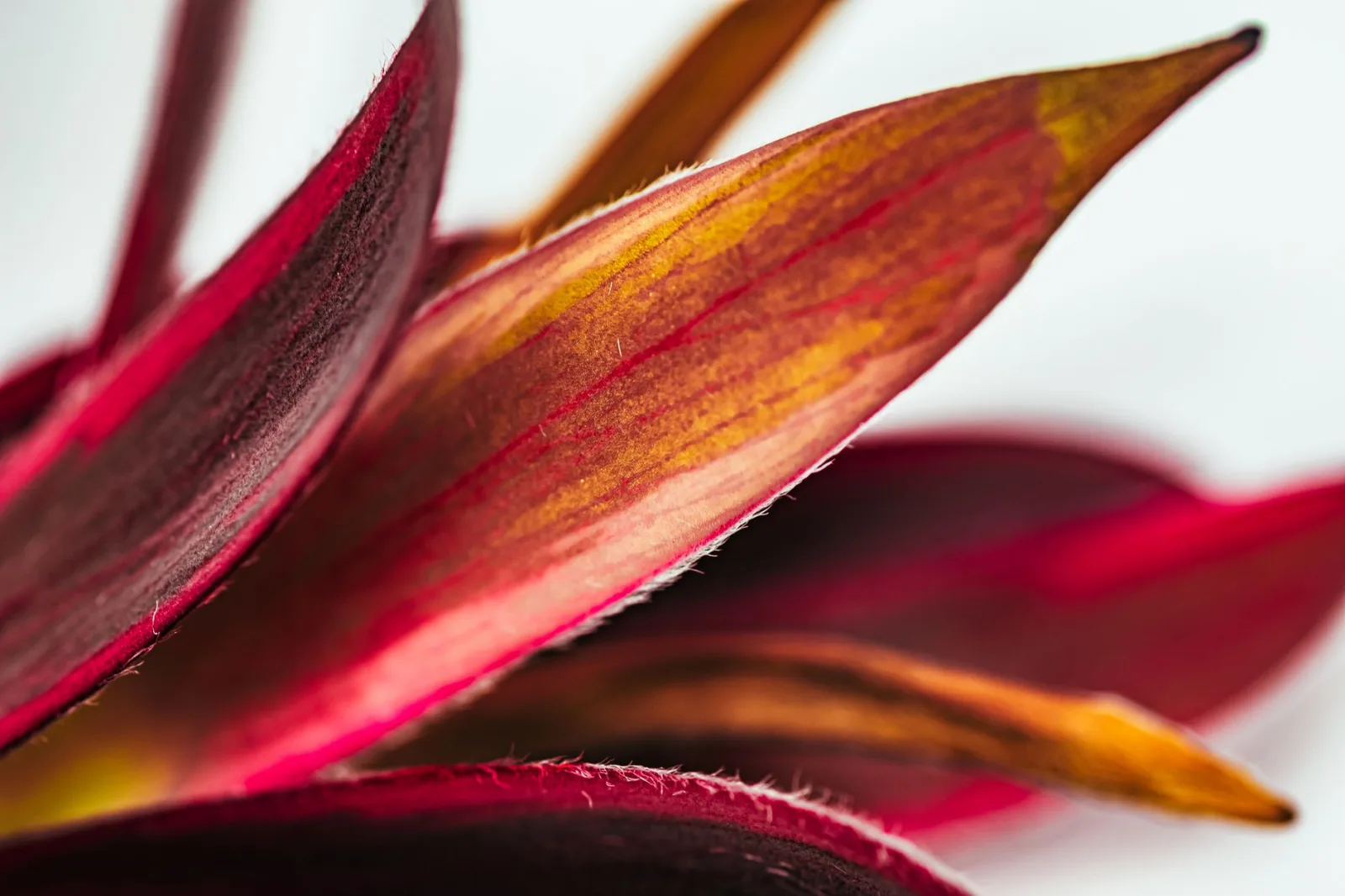
Ti plants must be grown in well-drained, peaty potting mixture. More specifically, Cordyline fruticosa grows best in deep, fertile, moist, acidic, well-drained soils that are high in organic matter, with soil pH 5.5 to 6.5. A peat-free, loam-based compost also works well for indoor growing.
The key is drainage combined with organic matter. Cordyline fruticosa demands fast-draining, aerated soil—not standard potting mix. Its rhizomes suffocate in compacted, peat-heavy blends, so avoid amendments that compact over time.
Repotting schedule
Top dress annually and pot on every 2–3 years in spring. When repotting, choose a container only slightly larger than the current one (1–2 inches larger in diameter) and use fresh, well-draining medium. At maturity, the plant reaches approximately 0.7 m (2.3 feet) in width, so plan for a pot that allows room for this spread without excessive soil volume.
Feeding Your Ti Plant
Fertilize during active growth (April–September) using a balanced, water-soluble fertilizer (e.g., 10-10-10) diluted to half strength, applied every 3–4 weeks. Alternatively, apply a balanced liquid feed monthly.
If you’re using compost-rich soil, skip synthetic fertilizers and instead top-dress annually with ½ inch of finished compost in early spring. This approach provides slow-release nutrients without the risk of fertilizer burn. Do not fertilize in winter; the plant’s reduced growth rate means it cannot efficiently use additional nutrients.
Pruning and Shaping
Cordyline fruticosa responds vigorously to pruning—making it ideal for size control and rejuvenation. Unlike many shrubs, cutting back encourages branching from dormant nodes along the stem, creating fuller, bushier forms. This makes pruning both a maintenance tool and a way to achieve your desired shape.
Cut ¼ inch above a leaf node at a 45° angle. Each cut stem will produce 2–4 new shoots within 3–4 weeks. Prune in spring to give the plant the growing season to recover and fill out. Remove any dead, diseased, or crossing stems first, then trim for shape. Wear gloves when pruning, as the plant’s sap can irritate sensitive skin.
Propagation Methods
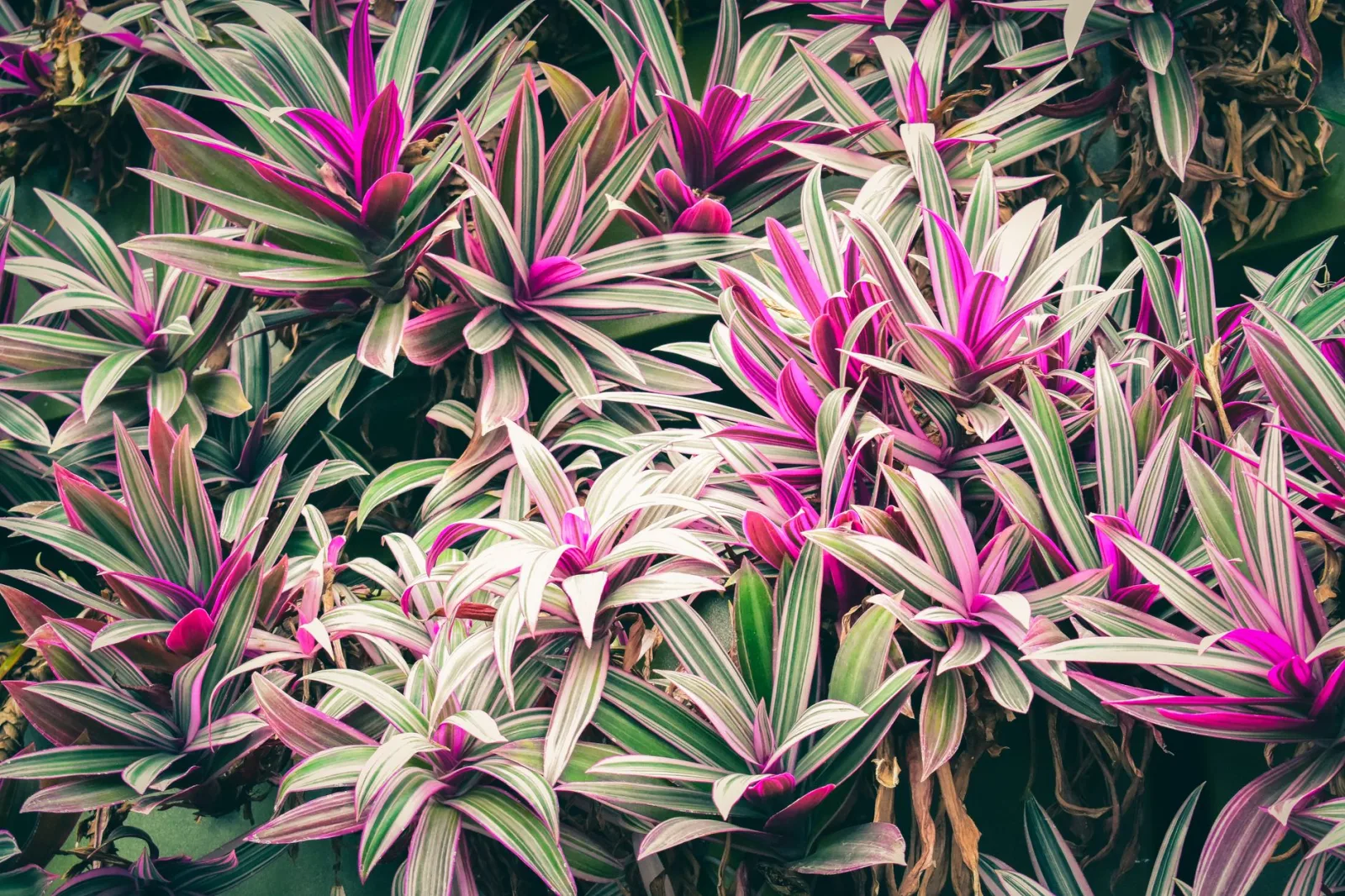
Cordyline fruticosa is usually propagated by stem cuttings. Cuttings from young stems are easier to root than those from old, woody stems, and cuttings root quickly without rooting hormone being necessary.
Stem cuttings in soil or water
Propagate stem cuttings by selecting 6–8 inch sections with at least two nodes. Remove the lower leaves, leaving only the top 1–2 leaves. Insert the cutting into moist, well-draining soil or place it in plain water. If rooting in water, change the water every few days to prevent rot.
Cuttings may also be rooted in plain water and should be at least 6 inches long. A water-soluble fertilizer such as 20-10-20 may be added to the water to provide some nutrients, though this is optional. Roots typically appear within 2–4 weeks. Once roots are ½ inch long, transfer to soil.
Common Problems: Yellowing, Browning, and Leaf Drop
Yellowing leaves
Leaves turning yellow from bottom up indicates either natural aging (if only 1–2 leaves per month) or overwatering (if rapid, with wet soil). It is normal for a Cordyline to shed its oldest, lowest leaves as it prioritizes new growth at the crown. However, entire leaf turning yellow without soil saturation indicates cold stress or nutrient imbalance. Yellow foliage could also indicate overwatering, too much sunlight, and/or drafts.
The solution depends on the cause: if the soil is wet, allow it to dry between waterings; if the plant is near a cold window, relocate it; if growth appears stunted, increase light and fertilize during the growing season.
Brown leaf tips
Brown tips almost always indicate fluoride toxicity, low humidity, or inconsistent watering. Low humidity is the most common culprit in dry homes—ensure humidity stays at 50% or higher. Inconsistent watering (alternating between wet and dry) stresses the plant and causes tip burn. Fluoride in tap water can also cause this; if you live in an area with naturally fluoridated water, consider using filtered or distilled water.
Leaf drop
Leaf drop with no discoloration usually results from an abrupt temperature drop, draft exposure, or relocation stress. Ti plants drop leaves when hit by cold air from air conditioning vents, cold windows, or exterior doors. If the soil is wet or smells stale, leaf drop may instead indicate root rot—rotting roots cannot support the long leaves, and the plant sheds them to reduce the burden on a failing root system.
These plants prefer a high-humidity environment and may experience leaf drop without humidity. Dropping leaves is a sign that you need to increase your plant’s humidity. Move the plant away from cold spots, increase humidity to 50% or higher, and ensure the soil is barely moist, not wet.
FAQ
How tall does a ti plant grow indoors?
Ti plants can reach heights of up to 3–6 feet indoors. At maturity (8–10 years), they reach approximately 0.7 m (2.3 feet) in width, growing around 12 cm of new growth per season.
What is the difficulty level for growing ti plants?
Ti plants require a moderate level of care. They are relatively easy to grow indoors as long as their high humidity needs can be met, making them suitable for both beginners and experienced plant parents who can maintain consistent conditions.
Is ti plant toxic to cats and dogs?
Cordyline fruticosa is toxic to cats and dogs. When ingested, saponins can cause vomiting, diarrhea, excessive drooling, loss of appetite, and depression or lethargy. Cats can experience more severe neurological signs; dogs mainly experience gastrointestinal upset. If your pet ingests any part of the plant, contact your veterinarian immediately.
What causes the most ti plant deaths?
Overwatering accounts for over 70% of Cordyline fruticosa losses in home settings. Winter overwatering is particularly dangerous, as the plant’s reduced growth means it uses very little water. Waiting until the top inch of soil dries out between waterings prevents the root rot that causes yellowing and leaf drop.
Can ti plants survive in low light?
Ti plants tolerate part shade to full shade, but they grow best in bright indirect light and will be slower to grow and paler in color in lower light. If your plant is in a dim location, move it closer to a window or invest in a grow light to encourage vibrant foliage and steady growth.
How do I increase humidity for my ti plant?
The most effective method is to use a humidifier to maintain humidity at 50% or higher. You can also mist daily, group plants together, place the pot on a pebble tray with water, or move the plant to a naturally humid room like a bathroom. Misting alone is often insufficient; a humidifier or combination of methods works best.