Ti Plant Cordyline fruticosa
Why Ti Plant Leaves Are Falling Off: Causes and Fixes
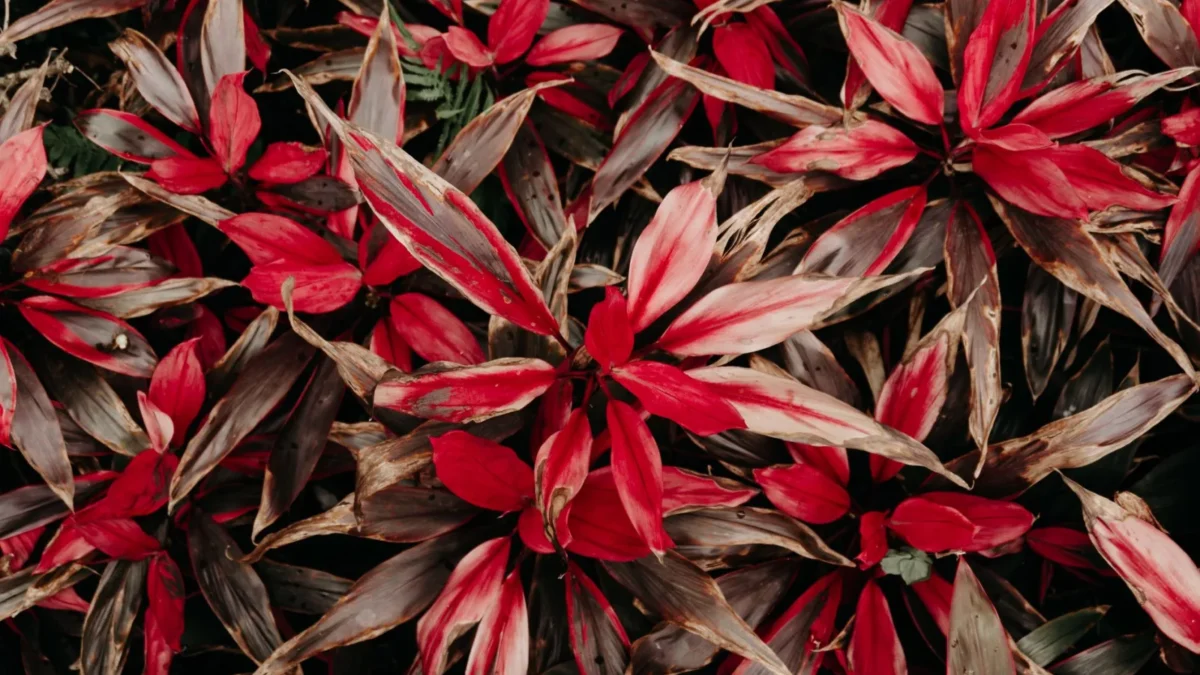
Quick answer: Ti plant leaves fall off mainly because of cold drafts, overwatering, or air humidity below 50%. Move it away from cold air, let soil dry between waterings, and increase humidity with a humidifier to stop the problem.
| Botanical name | Cordyline fruticosa |
|---|---|
| Light | Bright indirect light; tolerates part to full shade |
| Watering | Water when top 1-2 in of soil is dry; sparingly in winter |
| Humidity | 40-60% RH; mist daily or use humidifier; keep ≥50% RH |
| Temperature | 65-85°F; avoid below 55°F and cold drafts |
| Soil | Well-drained, peaty, acidic potting mix; pH 5.5-6.5; high organic matter |
| Feeding | Balanced liquid feed monthly during growing season (April-September) at half strength |
| Size | 3-6 ft tall indoors; 0.7 m wide at maturity; reaches ultimate height in 8-10 years |
| Difficulty | moderate |
| What you see | Likely cause | What to do |
|---|---|---|
| Leaves drop suddenly, no yellowing | Cold draft or temperature shock | Move away from AC vents, cold windows, or doors; keep above 60°F |
| Yellow lower leaves, wet soil, musty smell | Overwatering | Withhold water, improve airflow, check roots for rot |
| Leaf drop without discoloration, slow | Low humidity below 50% | Use a humidifier; increase to ≥50% RH |
| 1–2 oldest leaves turning yellow monthly | Natural aging | Normal; no action needed |
| Brown leaf tips, then drop | Low humidity or inconsistent watering | Increase humidity to ≥50% RH; maintain even moisture |
Cold drafts and temperature drops
Ti plants have zero frost tolerance and decline sharply below 55°F. Sustained exposure to less than 50°F triggers ethylene production, leading to rapid leaf abscission. Even a single night near a cold window or a few hours in front of an air-conditioning vent can shock the plant into dropping healthy leaves with no discoloration.
The plant prefers warm, humid conditions between 65–85°F. Anywhere below 60°F causes stress. Move your Ti plant away from cold drafts, exterior doors, uninsulated windows, and AC vents. A stable spot above 60°F prevents most cold-shock leaf drop.
Overwatering and root rot
Overwatering accounts for over 70% of Ti plant losses in home settings. The problem is especially severe in winter, when overwatering kills more indoor Ti plants than any other factor.
Rotting roots cannot support the long leaves, so the plant sheds them to reduce the burden on a failing root system. Signs of overwatering include yellowing lower leaves, blackened stem bases, and a sour smell from the soil. Yellow, drooping lower leaves plus wet soil indicate overwatering; withhold water immediately, improve airflow, and check for root rot.
The key is to wait until the top 1–2 inches of soil feels dry before watering. This usually means watering about once a week in summer and every 10–14 days in winter. Never let the pot sit in standing water. Root rot from overwatering is irreversible, so prevention is critical.
Low humidity
Ti plants prefer high humidity and may experience leaf drop without it. Humidity below 50% is problematic; below 40%, leaf margins desiccate and develop brown streaks that progress inward. Keep humidity at 50% or higher.
Mist daily to increase humidity and occasionally wipe dust from the leaves with a soft cloth. However, the most reliable method is to use a humidifier to maintain ≥50% RH.
How to prevent leaf drop
Waiting until the top inch dries out between waterings prevents the root rot that causes yellowing and leaf drop. Keep your Ti plant away from cold drafts and vents in a stable spot above 60°F. Maintain humidity at 50% or higher with a humidifier. Position the plant in bright, indirect light—direct sunlight can stress it, and insufficient light combined with drafts increases vulnerability to leaf loss.
Note that it is normal for a Ti plant to shed its oldest, lowest leaves as it prioritizes new growth at the crown. A few yellowing lower leaves may simply be a sign of natural aging, not a problem.
Read the full guide: Ti Plant Care: The Complete Guide
More about Ti Plant
The same problem in other plants
- Why Is My Elephant Bush Dropping Leaves?
- Why Are My String of Turtles Leaves Falling Off?
- Why Are My Begonia Maculata Leaves Falling Off?
- Why Is My Rex Begonia Dropping Leaves?
Sources
- Common Ti Plant Problems
- Cordyline Care Guide: Cabbage Trees to Tropical Ti Plants
- How to Care for Ti Plant: Water, Light, Soil & Pruning Guide
Photo: Irina Iriser / Pexels, Pexels