Ti Plant Cordyline fruticosa
Why Is My Ti Plant Turning Yellow? Common Causes and Fixes
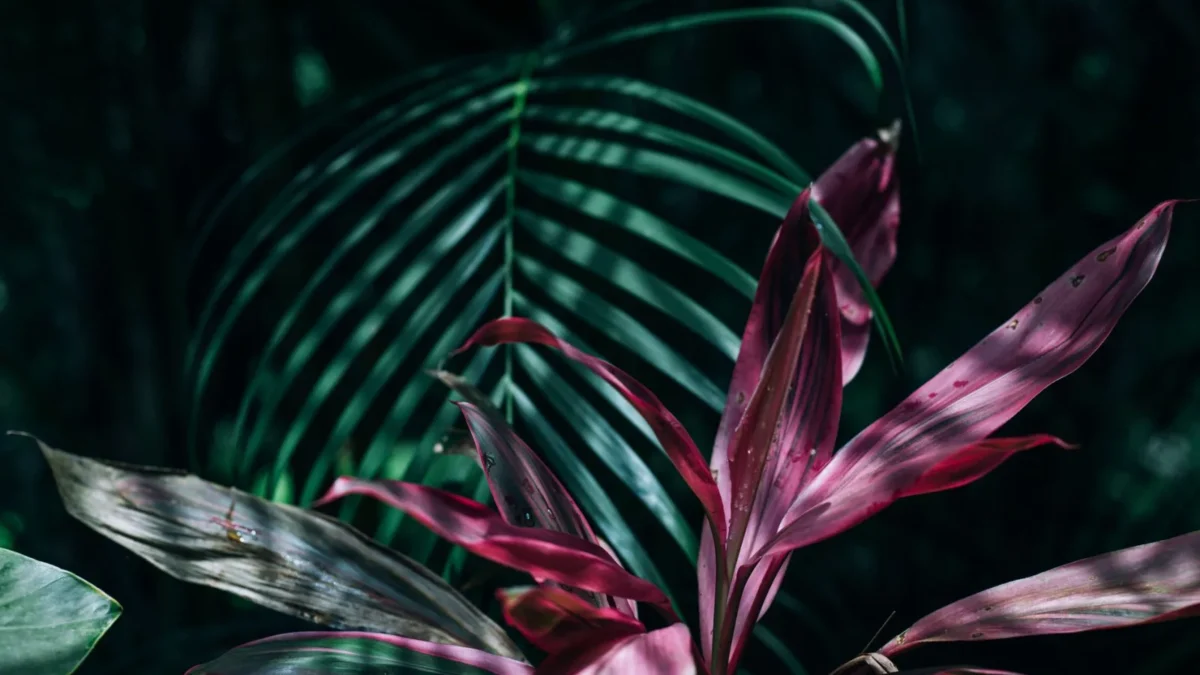
Quick answer: Yellow leaves on your ti plant usually signal overwatering, poor light, cold exposure, or low humidity. Check your soil moisture, temperature, and light first, then adjust care accordingly.
| Botanical name | Cordyline fruticosa |
|---|---|
| Light | Bright indirect light; tolerates part to full shade |
| Watering | Water when top 1-2 in of soil is dry; sparingly in winter |
| Humidity | 40-60% RH; mist daily or use humidifier; keep ≥50% RH |
| Temperature | 65-85°F; avoid below 55°F and cold drafts |
| Soil | Well-drained, peaty, acidic potting mix; pH 5.5-6.5; high organic matter |
| Feeding | Balanced liquid feed monthly during growing season (April-September) at half strength |
| Size | 3-6 ft tall indoors; 0.7 m wide at maturity; reaches ultimate height in 8-10 years |
| Difficulty | moderate |
| What you see | Likely cause | What to do |
|---|---|---|
| Yellow lower leaves + wet, sour-smelling soil | Overwatering | Stop watering immediately, improve airflow, check for root rot |
| New leaves small and pale | Insufficient light or nitrogen | Move closer to a bright, indirect light source and fertilize |
| Yellowing after cold exposure (below 60°F) | Cold stress or draft | Move away from windows, AC vents, and exterior doors; keep above 60°F |
| Yellow leaves + brown tips + dry leaf edges | Low humidity (below 50%) | Use a humidifier to raise humidity to 50% or higher |
| Entire leaf yellowing, soil is moist but not waterlogged | Nutrient imbalance or cold | Fertilize monthly during growing season (April–September) and maintain warm temps |
| Yellowing gradually from bottom up | Natural aging | This is normal—remove oldest leaves; monitor if rapid yellowing occurs |
Understanding the Most Common Cause: Overwatering
Overwatering accounts for over 70% of ti plant problems in homes. Your ti plant needs well-drained soil and careful watering—not constant moisture. The issue is that wet soil suffocates roots, preventing them from absorbing water and nutrients, which triggers yellowing and leaf drop.
Wait until the top inch of soil feels dry before watering again. In summer, this usually means watering weekly; in winter, every 10–14 days. Never let the pot sit in standing water. Winter is especially critical—overwatering in winter kills more indoor ti plants than any other single factor.
If the soil already smells sour or feels waterlogged and the stem base is blackened, root rot may have begun. Unfortunately, root rot from overwatering is irreversible, so act fast by withholding water and improving air circulation.
Light, Temperature, and Humidity
Yellow leaves can also appear when your ti plant isn’t getting enough light. These plants need bright, indirect light to thrive. Move your plant away from dark corners and position it where it receives filtered sunlight. Avoid direct sun, which can burn the leaves.
Cold stress is another culprit. Ti plants cannot tolerate temperatures below 55°F, and sustained exposure below 50°F triggers rapid leaf drop. Keep your plant in a warm spot between 65–85°F and away from cold drafts from air conditioning vents, windows, or doors.
Humidity is non-negotiable. Below 50% relative humidity, leaf margins desiccate and turn brown. Mist daily or use a humidifier to maintain humidity at 50% or higher.
How to Prevent Yellow Leaves
Check soil moisture with your finger before watering each time. Use a well-drained, peaty potting mix with a pH between 5.5 and 6.5. Feed monthly during the growing season (April–September) with a balanced liquid fertilizer at half strength to prevent nutrient deficiencies.
Keep your ti plant in a stable, warm location away from drafts and cold air sources. Use a humidifier rather than relying on misting alone to maintain steady humidity. These steps will keep yellow leaves at bay and your ti plant healthy and vibrant.
Are yellow lower leaves normal?
Yes—ti plants naturally shed their oldest, lowest leaves as they grow, prioritizing new growth at the crown. A few yellowing lower leaves each month is normal aging. Rapid yellowing across the plant paired with wet soil signals overwatering instead.
Can I fix a ti plant with yellowing leaves?
Yes, if you catch it early. Adjust watering, light, temperature, and humidity based on what you observe. The plant will produce fresh growth once the stressor is removed. Severely root-rotted plants may be too far gone, but healthy roots can recover if you stop overwatering immediately.
Is yellow foliage ever caused by too much light?
No—too much direct sunlight can burn leaves, but it causes bleaching or brown patches, not yellowing. Yellow foliage from light typically means insufficient brightness, or it’s a symptom of overwatering, cold stress, or low humidity instead.
Read the full guide: Ti Plant Care: The Complete Guide
More about Ti Plant
The same problem in other plants
- Why Is My Maidenhair Fern Turning Yellow?
- Why Are My Alocasia Frydek Leaves Turning Yellow?
- Why Are My Caladium Leaves Turning Yellow?
- Why Are My Staghorn Fern Leaves Turning Yellow?
Sources
- Common Ti Plant Problems
- Cordyline fruticosa Plant Care: Complete Growing Guide
- Cordyline Care Guide: Cabbage Trees to Tropical Ti Plants
Photo: Laura Stanley / Pexels, Pexels