Watermelon Peperomia Peperomia argyreia
Watermelon Peperomia Care: The Complete Guide
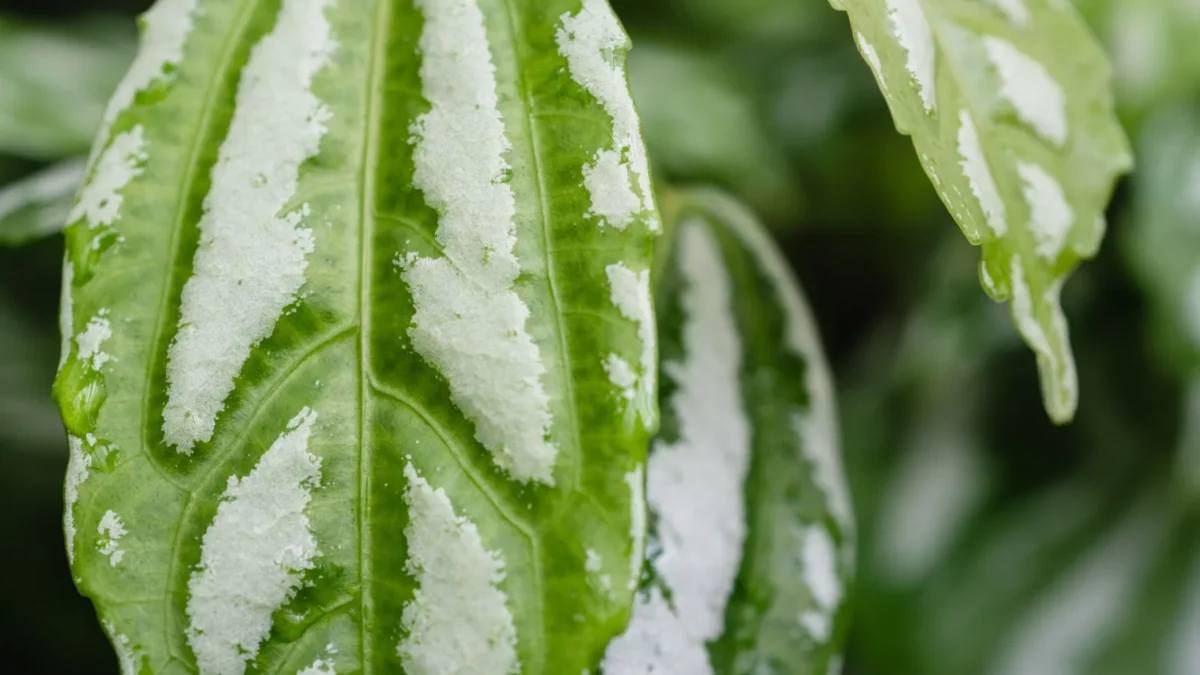
This care guide covers everything you need to know to grow watermelon peperomia successfully at home. This compact tropical plant is forgiving and rewarding for beginners and experienced plant owners alike. With its distinctive striped leaves and compact bushy form, watermelon peperomia is also remarkably low-maintenance—proper watering and bright, indirect light are the keys to keeping it thriving.
Watermelon Peperomia at a glance
| Botanical name | Peperomia argyreia |
|---|---|
| Light | Bright indirect light; avoid direct sun |
| Watering | Water when top 1–2 inches of soil feel dry; reduce in winter |
| Humidity | Prefers high humidity; adapts to average home humidity |
| Temperature | 65–80°F (18–27°C); minimum 10°C (50°F) |
| Soil | Well-draining peat-lite mix with perlite or peat-free potting compost |
| Feeding | Balanced water-soluble fertilizer at half strength monthly during growing season |
| Size | 6–8 inches tall |
| Difficulty | easy |
| Cats | ✓ non-toxic |
| Dogs | ✓ non-toxic |
Key points:
- Place in bright indirect light; never expose to direct sun
- Water when the top 1–2 inches of soil feel dry; reduce frequency in winter
- Prefers high humidity but adapts to average home conditions
- Keep temperatures between 65–80°F (18–27°C); minimum 10°C (50°F)
- Use well-draining peat-lite mix or peat-free potting compost
- Non-toxic to both cats and dogs
Light Requirements for Watermelon Peperomia
Watermelon peperomia grows best in bright indirect light. Position your plant near a window but away from direct sunlight, as intense rays can damage the foliage. If you notice the stems becoming long and drooping, this is a sign your plant needs more light.
In temperate regions like the UK and US, you can successfully grow watermelon peperomia indoors in a bright spot away from the harsh midday or afternoon sun. A north-facing window, or an east or west-facing window set back from the pane, works well. If natural light is limited, the plant will tolerate fluorescent grow lights.
Watering Your Watermelon Peperomia
Proper watering is the single most important factor in watermelon peperomia care. Water when the top 1–2 inches of soil feel dry—stick your finger into the soil up to the first knuckle to check. Water thoroughly until water drains from the bottom, then discard any excess; never let the pot sit in soggy soil.
The key is consistency without extremes. The plant has a small root system and is easy to overwater, especially in winter when growth slows. Peperomia prefers to dry out between waterings; if overwatered, it will drop its leaves. Reduce watering from fall to late winter when the plant’s growth naturally slows.
Water Quality
Use rainwater or filtered water whenever possible, at room temperature. Peperomias are sensitive to fluoride in tap water, which can cause leaf tips to turn brown.
Humidity and Temperature
Humidity
Watermelon peperomia likes high humidity in summer. The plant generally prefers humid air, such as in a steamy bathroom or enclosed terrarium, but will adapt to the lower humidity in most homes. If you notice crispy leaf edges, this often indicates low humidity rather than underwatering.
If your home is dry, try grouping the plant with others to create a localized humid microclimate, or place it on a pebble tray with water (ensure the pot doesn’t sit directly in water).
Temperature
Keep your watermelon peperomia in temperatures between 65–80°F (18–27°C). The plant can tolerate a minimum of 10°C (50°F), but sustained cold below this will stress it. Avoid placing it near drafts, heaters, or air conditioners, which create temperature fluctuations the plant dislikes.
Soil and Repotting
Watermelon peperomia needs well-draining soil to prevent root rot. Commercial growers use well-drained peat-lite mixes with coarse particles such as perlite to give the roots air. The RHS recommends peat-free potting compost as an alternative. Choose a houseplant or cactus potting mix, or a moist, well-drained loam-and-sand blend.
When to Repot
Most peperomias are slow-growing and can usually stay in their original container for two or three years, or until roots start to appear densely packed or through the drainage holes. Spring is the best time to repot. Use a pot only slightly larger than the current one, as the small root system prefers a snug fit.
Feeding and Fertilizer
Watermelon peperomia is not a heavy feeder. Apply a balanced, water-soluble fertilizer diluted to half strength monthly during the growing season. Avoid fertilizing in winter when the plant is dormant. This restraint prevents salt buildup and keeps the plant healthy and compact.
Pruning and Maintenance
Watermelon peperomia is a low-maintenance plant that rarely needs pruning. The only pruning you’re likely to need is removing dead or damaged leaves. These can harbor pests and disease, and remove dead growth keeps the plant looking its best. Simply pinch or cut them away with clean scissors.
Otherwise, regular dusting of the attractive striped leaves keeps them healthy and attractive.
Propagation Methods
Watermelon peperomia is usually propagated from leaf cuttings. Remove a mature leaf with at least an inch of the petiole (leaf stem) attached. Insert the leaf stem into a rooting medium such as moist perlite or sphagnum moss. New plants form at the base of the petiole. Once they develop roots and small leaves, separate them and pot them individually.
Terminal (tip) stem cuttings also work well with all peperomia types. Expect rooting to take 2–4 weeks, though some varieties may take 3–6 weeks depending on conditions and the propagation method used.
Common Problems and Solutions
Root Rot
Root rot is the most common disease of watermelon peperomia, caused by fungal infection from overwatering and poor drainage. Symptoms include yellowing leaves, wilting, and drooping foliage. Prevent it by avoiding overwatering and ensuring the soil is well-draining. If the soil is damp and mushy, either stop watering until it dries or replace the potting mix entirely.
Drooping and Soft Leaves
The most common cause of soft, drooping leaves is underwatering. An underwatered plant may curl its leaves and show sagging foliage. However, overwatering causes the opposite effect—the plant becomes mushy and saggy as roots soak in water and the entire plant loses structural strength. Low humidity also causes drooping; watermelon peperomia need moderate humidity to thrive. Check your watering frequency, soil drainage, and humidity levels to diagnose the issue.
Mealybugs
Mealybugs are the most common pest on weakened watermelon peperomias. Look for the cotton wool-like furry substance they leave behind on leaves. Remove affected leaves and treat with insecticidal soap or neem oil, repeating as directed on the product label.
Spider Mites
Spider mites thrive in dry conditions and cause yellowing leaves, webbing, and curled or brittle foliage. Increase humidity and spray the plant with water to dislodge mites. In severe cases, use miticide following product instructions.
Whitefly
Whitefly can affect watermelon peperomia. Isolate the plant, spray with insecticidal soap, and repeat every 7–10 days until resolved.
FAQ
How often should I water my watermelon peperomia?
Water when the top 1–2 inches of soil feel dry. In the growing season (spring and summer) this may be every 5–7 days, but always check the soil first rather than watering on a fixed schedule. Reduce frequency in winter.
Can watermelon peperomia grow in low light?
No. The plant needs bright indirect light to thrive. In low light, stems become long and drooping as the plant stretches toward available light. Position it near a window with filtered natural light, or use grow lights.
Is watermelon peperomia safe for cats and dogs?
Yes. The ASPCA lists watermelon peperomia as non-toxic to both cats and dogs, and the entire Peperomia genus has a clean safety record. Accidental nibbling is harmless, though a curious cat may still cause physical damage to leaves.
How big does watermelon peperomia grow?
As a houseplant, it typically grows to 6–8 inches tall, forming a compact bushy plant. It’s an ideal size for shelves, desks, or small plant collections.
Why are my watermelon peperomia leaves turning brown at the tips?
Brown leaf tips often indicate sensitivity to fluoride in tap water. Use rainwater or filtered water at room temperature instead. Crispy edges can also signal low humidity—try increasing moisture around the plant or moving it to a more humid location.
What’s the best soil for watermelon peperomia?
Use a well-drained peat-lite mix with coarse particles such as perlite, or peat-free potting compost as recommended by the RHS. Proper drainage is essential to prevent root rot.
More about Watermelon Peperomia
Sources
- Peperomia argyreia – Plant Finder
- Watermelon Peperomia: Growing And Care Of Peperomia Argyreia
- How to grow peperomia / RHS Growing Guide
Photo: Marina Leonova / Pexels, Pexels