Watermelon Peperomia Peperomia argyreia
How Often to Water Watermelon Peperomia: A Practical Guide
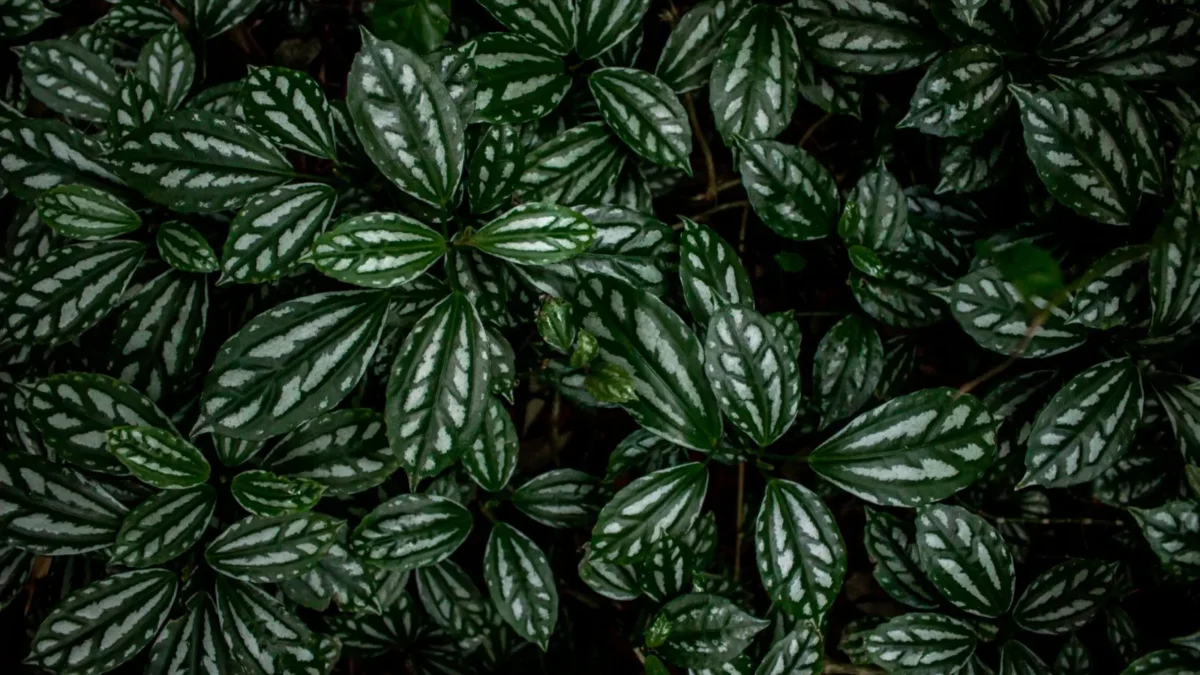
Quick answer: Water your watermelon peperomia when the top 1–2 inches of soil feel dry. Stick your finger in—if it feels dry up to the first knuckle, it’s time to water. In winter, reduce watering frequency as the plant’s growth slows.
Watermelon Peperomia at a glance
| Botanical name | Peperomia argyreia |
|---|---|
| Light | Bright indirect light; avoid direct sun |
| Watering | Water when top 1–2 inches of soil feel dry; reduce in winter |
| Humidity | Prefers high humidity; adapts to average home humidity |
| Temperature | 65–80°F (18–27°C); minimum 10°C (50°F) |
| Soil | Well-draining peat-lite mix with perlite or peat-free potting compost |
| Feeding | Balanced water-soluble fertilizer at half strength monthly during growing season |
| Size | 6–8 inches tall |
| Difficulty | easy |
| Cats | ✓ non-toxic |
| Dogs | ✓ non-toxic |
Watering Schedule for Watermelon Peperomia
Watermelon peperomia isn’t fussy, but it does need consistent, moderate watering. The key is checking the soil regularly rather than watering on a fixed schedule, since conditions vary by season, pot size, and humidity in your home.
When you water, do it thoroughly until water drains from the bottom, then discard excess water. Never let the plant sit in soggy soil, as this is the fastest route to root rot.
Growing Season (Spring and Summer)
During active growth, check the soil every few days. Most homes see watering needed once or twice a week, but this depends on how quickly your soil dries. The moment the top inch or two feels dry to the touch, water thoroughly and drain.
Winter Dormancy
From fall to late winter, reduce watering from the start. Growth slows dramatically, and the plant needs far less water. Check the soil less frequently—you may only water every 10–14 days or even less. This is when watermelon peperomias are easiest to overwater, because their small root system can’t use much moisture.
Signs of Overwatering vs. Underwatering
Overwatering is the most common mistake and leads to mushy, yellowing leaves. If the soil is damp and mushy, either stop watering until the soil dries or replace the potting mix entirely. Prolonged soaking causes fungal root rot, a serious problem that can kill the plant without visible warning until drooping leaves appear.
Underwatering is less common but does happen. An underwatered plant will curl its leaves and they’ll sag. However, crispy leaf edges usually signal low humidity rather than thirst.
Use the Right Water
Watermelon peperomia is sensitive to fluoride in tap water, which can cause leaf tips to turn brown. Use rainwater or filtered water whenever possible, preferably at room temperature.
Why Your Watering Schedule Might Vary
The exact frequency depends on pot material, soil type, light level, and humidity. A small terracotta pot in a warm, bright room dries faster than a plastic pot in a cool corner. Always check with your finger rather than simply watering routinely, to ensure soil partially dries out between waterings.
FAQ
What’s the best way to know when to water watermelon peperomia?
Stick your finger 1–2 inches into the soil. If it feels dry at that depth, water. This method is far more reliable than a fixed schedule.
Can watermelon peperomia tolerate drying out?
Yes—the plant prefers to dry out between waterings. It can’t handle either wet or very dry soil, but moderate drying is normal and healthy.
Should I adjust watering in winter?
Yes, reduce watering in winter when growth is usually slower. The plant is more sensitive to overwatering during this period.
Read the full guide: Watermelon Peperomia Care: The Complete Guide
More about Watermelon Peperomia
The same problem in other plants
- How Often Should You Water a Norfolk Island Pine?
- How Often to Water Your Rattlesnake Plant
- How Often and How Much to Water Purple Shamrock
- How Often Should You Water Burro's Tail?
Sources
- Watermelon Peperomia (Peperomia argyreia) Care Guide
- How to grow peperomia / RHS Growing Guide
- Watermelon Peperomia: Growing And Care Of Peperomia Argyreia
Photo: Natalia Sevruk / Pexels, Pexels