Watermelon Peperomia Peperomia argyreia
Why Are My Watermelon Peperomia Leaves Drooping?
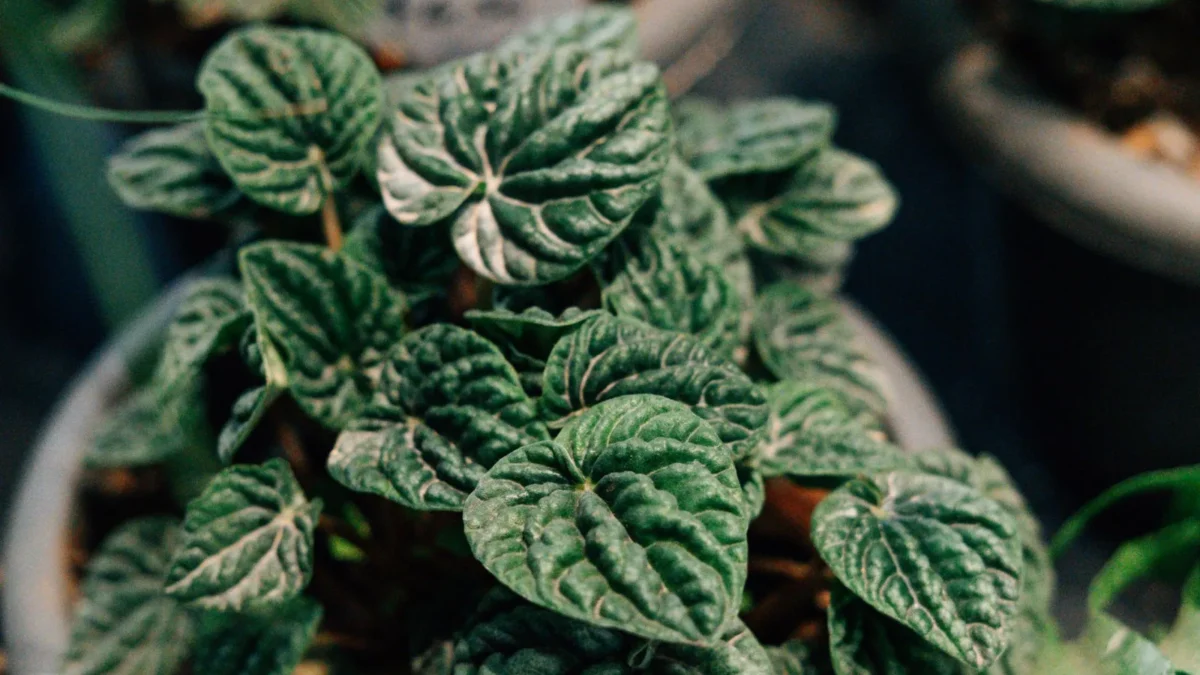
Quick answer: Drooping watermelon peperomia leaves are usually caused by overwatering, low humidity, or temperature stress. Check your watering routine and soil moisture first—these plants are sensitive to excess water. If the soil feels damp or mushy, stop watering and let it dry; if it’s bone-dry, increase watering. If soil is fine, raise humidity or adjust temperature between 65–80°F.
Watermelon Peperomia at a glance
| Botanical name | Peperomia argyreia |
|---|---|
| Light | Bright indirect light; avoid direct sun |
| Watering | Water when top 1–2 inches of soil feel dry; reduce in winter |
| Humidity | Prefers high humidity; adapts to average home humidity |
| Temperature | 65–80°F (18–27°C); minimum 10°C (50°F) |
| Soil | Well-draining peat-lite mix with perlite or peat-free potting compost |
| Feeding | Balanced water-soluble fertilizer at half strength monthly during growing season |
| Size | 6–8 inches tall |
| Difficulty | easy |
| Cats | ✓ non-toxic |
| Dogs | ✓ non-toxic |
| What you see | Likely cause | What to do |
|---|---|---|
| Drooping leaves; damp, mushy soil | Overwatering or root rot | Stop watering; if soil is mushy, replace it. Let roots dry before watering again |
| Drooping leaves; dry, hard soil | Underwatering | Water thoroughly until it drains from the bottom. Check soil with your finger before each watering |
| Drooping or curled leaves; soil is fine | Low humidity | Mist the plant or move it to a humid room like a bathroom |
| Long stems drooping; normal soil moisture | Low light | Move the plant to a brighter location with bright indirect light |
| Drooping leaves; temperature below 50°F or above 80°F | Temperature stress | Move away from drafts, heaters, or AC units |
Overwatering and root rot
Overwatering is the most common cause of drooping watermelon peperomia leaves. An overwatered plant loses structural strength, and its stems and leaves become mushy and sag. Prolonged soaking in wet soil can cause root rot, a fungal disease that kills roots and stops them absorbing water and nutrients—even though the soil is wet.
How to tell: Stick your finger 1–2 inches into the soil. If it feels wet and the leaves are drooping despite damp soil, overwatering is likely. You may also notice yellowing, mushy leaves, or a foul smell from the pot.
How to fix it:
- Stop watering immediately.
- If the soil is damp and mushy, replace the potting mix entirely with fresh, well-draining soil. Use a well-draining peat-lite mix with perlite.
- When you water next, wait until the top 1–2 inches of soil feel dry.
- Water thoroughly until water drains from the bottom, then discard any excess—never let the pot sit in standing water.
Underwatering
Underwatering causes drooping too, though less often. Watermelon peperomia leaves will sag and curl if the plant doesn’t get enough water.
How to tell: The soil will feel hard and bone-dry when you touch it. The pot will feel light when you pick it up.
How to fix it: Water the plant thoroughly until water drains from the bottom. Going forward, always check with your finger rather than watering on a schedule. In winter, reduce watering frequency since growth slows.
Low humidity and temperature stress
Drooping can also signal low humidity or temperature outside the plant’s comfort zone. Watermelon peperomia prefers high humidity, especially in summer. If temperatures drop below 50°F (10°C) or rise much above 80°F, the plant begins to suffer.
How to fix humidity: Move the plant to a humid room like a bathroom, or mist it regularly. Avoid placing it near drafts, heaters, or air conditioners.
Prevention
The key is watering wisely. Peperomias have a small root system and are easy to overwater, especially in winter when growth slows. Always let the top of the soil dry out between waterings—stick your finger in and feel it yourself. Water less in winter. Use well-draining potting compost, never let the pot sit in water, and keep temperatures steady between 65–80°F.
Read the full guide: Watermelon Peperomia Care: The Complete Guide
More about Watermelon Peperomia
The same problem in other plants
- Why Are My Caladium Leaves Drooping? How to Revive Them
- Why Is My Venus Flytrap Droopy and Wilting?
- Why Is My Purple Shamrock Drooping and Wilting?
- Why Is My Aluminum Plant Drooping? Causes and Solutions