Aluminum Plant Pilea cadierei
Aluminum Plant Care: The Complete Guide
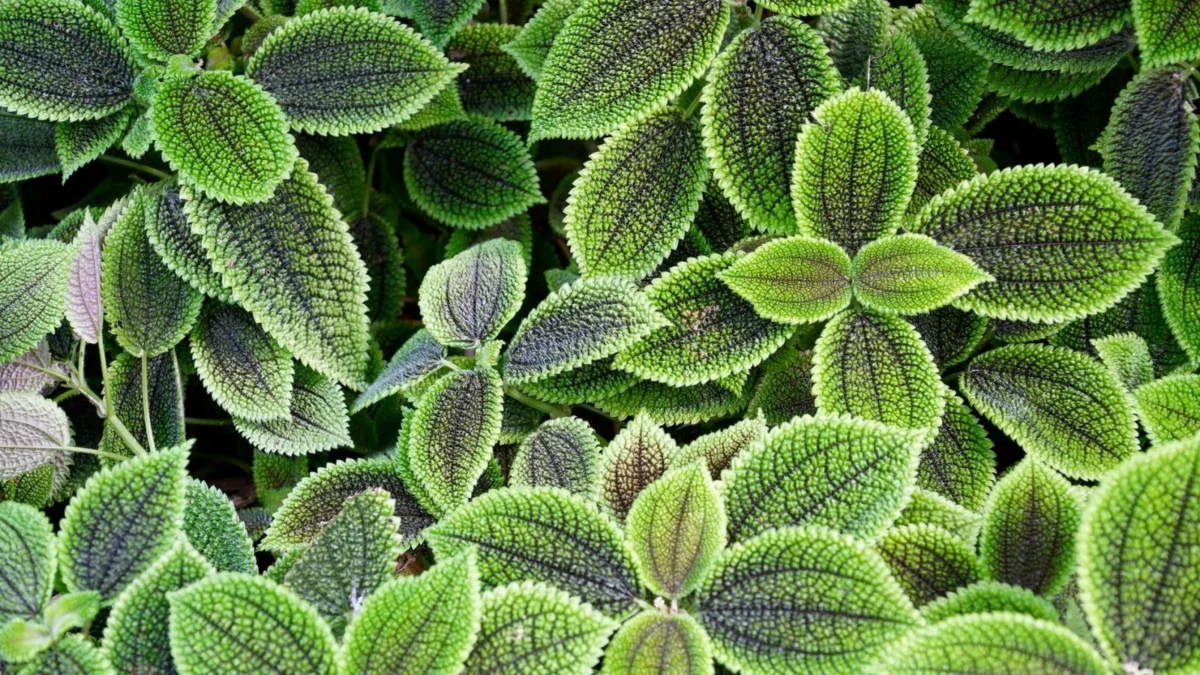
Aluminum plant care is straightforward once you understand this plant’s key needs—bright indirect light, consistent moisture, and high humidity. Pilea cadierei, a member of the nettle family, is easy to grow and rewards attentive owners with its striking silvery-patterned foliage. This guide covers everything you need to keep your aluminum plant thriving indoors, from watering schedules to pest prevention.
| Botanical name | Pilea cadierei |
|---|---|
| Light | bright indirect light; avoid full sun; tolerates medium light |
| Watering | water when top 1 in of soil starts to dry out; avoid overwatering |
| Humidity | high humidity required; at least 50%; use wet pebble tray or humidifier |
| Temperature | 60-75 °F (15-23 °C); keep above 10°C; avoid cold drafts |
| Soil | peaty soil-based potting mix; well-draining, slightly acidic to neutral pH 6.0-7.0 |
| Feeding | balanced liquid fertilizer half-strength once monthly during growing season spring-summer |
| Size | 30 cm (12 inches) tall; bushy, compact growth |
| Difficulty | easy |
| Cats | ✓ non-toxic |
| Dogs | ✓ non-toxic |
Key points
- Grow in bright indirect light; avoid full sun and spaces with medium light will cause loss of variegation
- Water when the top 1 inch of soil starts to dry; overwatering is the most common mistake
- Maintain at least 50% humidity using a wet pebble tray or humidifier
- Keep temperatures between 60–75°F and away from cold drafts
- Feed once monthly at half strength during spring and summer only
- Your aluminum plant is completely safe for cats, dogs, and horses
Light Requirements for Aluminum Plants
Aluminum plants prefer bright but indirect light to display their best foliage. Position your plant near an east or north-facing window where it receives gentle, filtered light throughout the day. Avoid placing it in direct sunlight, which can scorch the leaves, but equally avoid dim corners—insufficient light will cause your plant to lose its distinctive silver variegation and appear drab.
If your plant becomes leggy with long, spindly stems and fewer leaves, it’s reaching for more light. Move it to a brighter location with medium to bright indirect light to encourage more compact, healthy growth. Medium to bright indirect light is ideal, though aluminum plants can adapt to bright direct light and even tolerate lower light conditions, making them versatile for various indoor spaces.
Watering Your Aluminum Plant
Proper watering is crucial for aluminum plant care. Water when the top 1 inch of compost starts to dry out, adjusting your schedule between seasons. During spring and summer, keep the top quarter inch of soil moist; during fall and winter, allow the top quarter inch of soil to dry out before watering again.
Overwatering is the most common mistake and can quickly damage your plant. Never leave the pot standing in water, as the roots can easily rot. Root rot occurs when roots become waterlogged and cannot absorb oxygen, making it difficult for the plant to take up water effectively. If you suspect root rot, remove the plant from its pot to inspect the soil; if it feels soggy and clumpy, replace it immediately and trim away any rotted roots.
Underwatering also causes problems: drooping leaves and stems are early signs of trouble. If the soil feels dry, give the plant a good soak, but if it’s soggy, hold off on watering and let it dry out a bit. If your plant is drooping but the soil is moist, the leaves should perk up once the plant dries out slightly. For an underwatered plant, water once a day for a week rather than giving a large amount all at once, as this avoids shock and ensures soil becomes properly moist rather than water running straight through.
Humidity and Temperature Needs
High humidity is essential for aluminum plant care and often makes the difference between a struggling plant and a thriving one. Your plant requires at least 50% relative humidity. Place the plant on a tray of wet pebbles or near a cool-mist room humidifier to boost moisture around the foliage. Without adequate humidity, leaves become drooping, brown, and crispy.
Temperature stability matters just as much as humidity. Maintain a year-round temperature between 60–75°F (15–23°C). Always keep your plant above 10°C (50°F) and away from cold drafts, as sudden temperature changes and drafts can cause leaves to fall off and stress the plant. A stable environment protects your aluminum plant from the shock of environmental stress, which can lead to sudden leaf drop.
Soil and Repotting
Aluminum plants thrive in well-draining, fertile soil with a pH range of 6.0 to 7.0. Use a peaty soil-based potting mix as your foundation. For best results, mix equal parts peat moss, perlite, and regular potting soil to create an ideal growing medium that drains well while retaining moisture.
As your plant grows, it may become pot-bound, meaning the roots have outgrown the pot and cannot spread out to absorb nutrients and water efficiently, leading to droopy leaves. When this happens, it’s time to repot into a slightly larger container with fresh soil. Spring is the ideal time for repotting, when new growth is beginning.
Feeding and Fertilizer
During the growing season, feed your aluminum plant with a balanced liquid fertilizer to support new growth. Apply half-strength, balanced liquid fertilizer once a month during spring through summer. A 5-5-5 fertilizer applied to the soil once a month should provide plenty of nutrition. Do not fertilize in fall and winter, when the plant’s growth naturally slows.
Pruning and Maintenance
Keep your aluminum plant compact and attractive through regular maintenance. Pinch stem tips as needed to maintain a bushy, neat appearance. To promote healthy growth, dust the leaves regularly and rotate the plant by a quarter turn every month to encourage even growth.
As your plant matures, it will naturally drop some older leaves to make room for new ones—this is a normal sign that your plant is being cared for correctly. However, if the appearance of leaves begins to change—browning, yellowing, or excessive drop—investigate the cause.
When stems become leggy (long and spindly), cut them back in spring to rejuvenate the plant. This encourages bushier, fuller growth and keeps the plant at an attractive size around 12 inches tall.
Propagation Methods
Aluminum plants propagate easily by stem tip cuttings in spring or summer, making it simple to create new plants for other areas of your home or to share with fellow plant lovers. Take 3-inch (7.5 cm) stem tip cuttings just below a node—the place where a leaf attaches. Place the cut end in moist potting mix and cover the entire pot with a plastic bag to retain humidity.
For fastest results, use a heat mat to maintain an even 70°F (21°C) temperature. Under these conditions, cuttings root easily within about a month, with each new plant usually starting to grow roots in 3 to 4 weeks. Once roots develop, remove the plastic bag and treat the new plant as you would an adult, providing bright indirect light, consistent moisture, and high humidity.
Common Problems and Solutions
Drooping Leaves
Drooping leaves can signal underwatering, overwatering, low humidity, or cold stress. Check the soil moisture first: if it’s dry, water thoroughly; if it’s soggy, hold back on watering and let it dry out. If the soil is moist but leaves are soft and drooping, overwatering is likely the culprit. Increase humidity by misting or placing the pot on a wet pebble tray, and ensure the plant is away from drafty windows and sudden temperature changes.
Leaf Drop
Leaf drop is most commonly caused by overwatering, which leads to root rot over time. Exposure to drafty windows, sudden temperature changes, or underwatering can also trigger leaf loss. If the plant has dropped quite a few leaves and the soil is soggy, repot it immediately into fresh soil and trim away rotted roots. Moving forward, allow the top inch of soil to dry between waterings and keep the plant in a stable, draft-free location.
Leaf Spot Diseases
Leaf spot can be caused by both fungal and bacterial pathogens, appearing as small, round brown, black, or yellow spots on leaves, sometimes surrounded by a halo. Look for these signs early, as spots can merge and cause extensive damage if not addressed. Overwatering and high humidity can worsen leaf spot by creating the damp conditions fungi thrive in.
To treat leaf spot, use sterilized scissors to remove infected leaves, water at the soil level to keep foliage dry, and consider applying a fungicide designed for leaf spot treatment.
Powdery Mildew
Powdery mildew is a common fungal disease that appears as a white, powdery coating on leaves, giving them a dusty appearance. It can eventually cause leaf distortion, yellowing, and premature leaf drop. Keep your plant in a well-ventilated space with good air circulation, avoid overhead watering, and remove affected leaves as soon as you spot them. Increasing air circulation around the plant helps prevent the fungus from taking hold.
Blackening Leaves
Black leaves often result from improper watering—either too much water leading to root rot or too little causing the plant to dry out. Direct sunlight can also scorch leaves, causing blackened edges or spots. Cold temperatures and sudden temperature changes stress the plant and may cause blackening. Additionally, pests like spider mites, aphids, and mealybugs can damage leaves, leaving marks that eventually turn black. Adjust watering, move the plant to bright indirect light, maintain stable temperatures, and check for pest activity.
Browning Leaf Tips
Browning leaf tips with yellow halos are typically a sign of low humidity or inconsistent watering. Increase your plant’s local moisture by placing it on a wet pebble tray, running a humidifier nearby, or misting regularly. While this won’t kill the plant, raising humidity will prevent new growth from developing the same symptoms.
Pests
Spider mites, aphids, and mealybugs can all target aluminum plants. Watch for tiny webs, sticky residue, or cottony spots, which indicate pest problems. Regular inspection and prompt treatment help keep your plant healthy.
Loss of Variegation
If your plant’s silvery leaf patterns fade and the foliage becomes dull green, the plant is not receiving enough light. Move it to a brighter spot with medium to bright indirect light to restore the striking patterns that make this plant attractive.
FAQ
Is Aluminum Plant Safe for Cats and Dogs?
Yes, aluminum plants are completely non-toxic to cats and dogs, making them safe to have around pets. You can place your aluminum plant anywhere in your home without worrying about accidental ingestion harming your furry companions.
How Often Should I Water My Aluminum Plant?
Water when the top 1 inch of soil starts to dry out. During growing season (spring and summer), check soil more frequently and keep it slightly moist; in fall and winter, allow the soil to dry out more between waterings.
Why Does My Aluminum Plant Keep Losing Leaves?
Leaf drop is most commonly caused by overwatering, which leads to root rot. Other causes include cold drafts, sudden temperature changes, and underwatering. Check the soil moisture, ensure stable temperatures away from drafts, and adjust your care routine accordingly.
Can Aluminum Plants Tolerate Low Light?
Aluminum plants can tolerate lower light conditions, but they will lose their distinctive silver variegation in dim spots. For best appearance and growth, keep your plant in medium to bright indirect light.
How Do I Propagate an Aluminum Plant?
Take 3-inch stem tip cuttings just below a node in spring or summer, place them in moist potting mix, cover with plastic to retain humidity, and use a heat mat set to 70°F for fastest results. Cuttings root within about a month.
How Much Humidity Does an Aluminum Plant Need?
Your aluminum plant requires at least 50% relative humidity. Place it on a tray of wet pebbles or near a cool-mist humidifier to maintain adequate moisture in the air around the plant.
More about Aluminum Plant
Sources
- Aluminum Plant Care: How to Grow Pilea Cadierei Indoors
- Pilea cadierei – Plant Finder
- Aluminum Plant Care – Pilea Cadierei – House Plants Expert
Photo: René Lussi / Pexels, Pexels