Aluminum Plant Pilea cadierei
Why Is My Aluminum Plant Drooping? Causes and Solutions
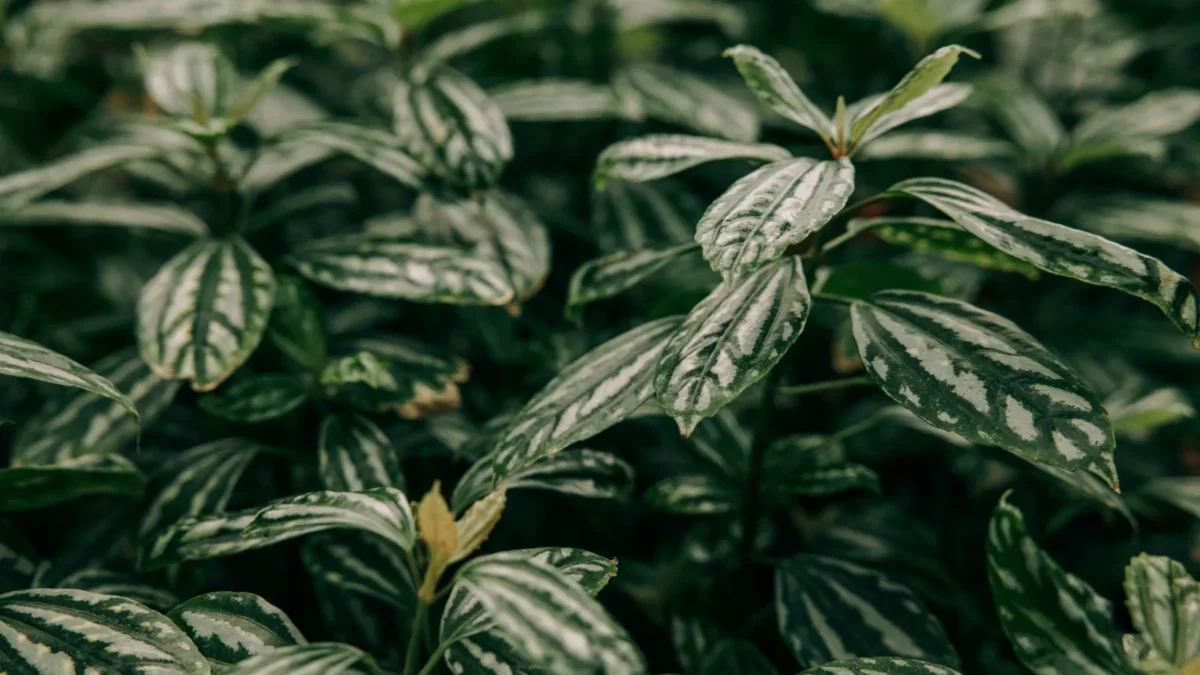
Quick answer: Your aluminum plant is drooping most likely because of overwatering, insufficient humidity, or temperature stress. Check your soil moisture first—if it’s soggy, hold back on water; if it’s bone dry, water thoroughly. If the soil feels right, boost humidity to at least 50% with a pebble tray or humidifier, and ensure the plant stays between 60–75 °F away from cold drafts.
| Botanical name | Pilea cadierei |
|---|---|
| Light | bright indirect light; avoid full sun; tolerates medium light |
| Watering | water when top 1 in of soil starts to dry out; avoid overwatering |
| Humidity | high humidity required; at least 50%; use wet pebble tray or humidifier |
| Temperature | 60-75 °F (15-23 °C); keep above 10°C; avoid cold drafts |
| Soil | peaty soil-based potting mix; well-draining, slightly acidic to neutral pH 6.0-7.0 |
| Feeding | balanced liquid fertilizer half-strength once monthly during growing season spring-summer |
| Size | 30 cm (12 inches) tall; bushy, compact growth |
| Difficulty | easy |
| Cats | ✓ non-toxic |
| Dogs | ✓ non-toxic |
| What you see | Likely cause | What to do |
|---|---|---|
| Drooping, soft leaves; soggy soil | Overwatering or root rot | Let soil dry out slightly; check for mushy roots and repot if necessary |
| Drooping leaves; dry soil | Underwatering | Water when top 1 inch of soil starts to dry out |
| Drooping, crispy or brown leaves | Low humidity (below 50%) | Place on a wet pebble tray or use a cool-mist humidifier |
| Drooping leaves; cold air nearby | Temperature stress | Move away from drafts; keep temperature between 60–75 °F |
| Drooping, yellowing leaves; poor growth | Pot-bound roots | Repot into a slightly larger container with fresh potting mix |
How to diagnose which problem is causing drooping
Feel the soil first. Push your finger about 1 inch deep into the pot. If the soil is soggy and clumpy, overwatering is likely the culprit. Overwatered plants often have drooping leaves that feel soft to the touch. In contrast, if the soil is completely dry and pulls away from the pot edge, your plant needs water urgently.
Next, assess your environment. Aluminum plants need high humidity—at least 50%—to thrive. Without it, you’ll see drooping leaves alongside brown, crispy tips. Check the air temperature around your plant too; cold drafts or temperatures below 60 °F can trigger drooping. Finally, examine whether your plant’s roots have outgrown its container. If roots are circling densely or poking out the drainage holes, repotting is overdue.
How to fix an overwatered, drooping aluminum plant
If the soil is soggy, act quickly to prevent root rot. First, inspect the roots: gently remove the plant from its pot and look for dark, mushy roots. If root rot is present, trim away the affected roots with sterilized scissors and repot the plant into fresh, well-draining potting mix.
If roots look healthy but the soil is just wet, let it dry out before watering again. Water only when the top 1 inch of compost starts to dry out. During spring and summer, keep the top quarter inch of soil moist; in fall and winter, allow more drying time between waterings. To encourage recovery without shocking the plant, water once daily for a week in small amounts rather than flooding the pot.
How to fix drooping from underwatering or low humidity
If the soil is dry, soak it thoroughly. Underwatered leaves will perk up once hydrated.
For low humidity, place your plant on a wet pebble tray—simply set the pot on pebbles in a shallow tray of water, making sure the pot base doesn’t touch the water directly. Alternatively, run a cool-mist humidifier nearby. These simple steps will restore the firm, upright texture your aluminum plant needs.
How to prevent drooping
Stick to a consistent watering schedule: check soil moisture before watering, and water only when the top 1 inch feels dry. Maintain humidity above 50% year-round using a pebble tray or humidifier. Keep the plant away from cold drafts and sudden temperature swings—maintain a steady 60–75 °F environment. Repot into a container 1–2 inches larger in diameter when roots begin to crowd the pot. With these practices in place, your aluminum plant should stay healthy and upright.
Read the full guide: Aluminum Plant Care: The Complete Guide
More about Aluminum Plant
The same problem in other plants
- Why Is My Venus Flytrap Droopy and Wilting?
- Why Is My Purple Shamrock Drooping and Wilting?
- Why Are My Watermelon Peperomia Leaves Drooping?
- Why Is My Bunny Ears Cactus Drooping?
Sources
- Why is my Aluminium Plant drooping?
- Aluminum Plant Care – Pilea Cadierei – House Plants Expert
- Pilea / RHS Plant Guide
Photo: Maksim Goncharenok / Pexels, Pexels