Aluminum Plant Pilea cadierei
Why Are My Aluminum Plant Leaves Turning Brown or Black?
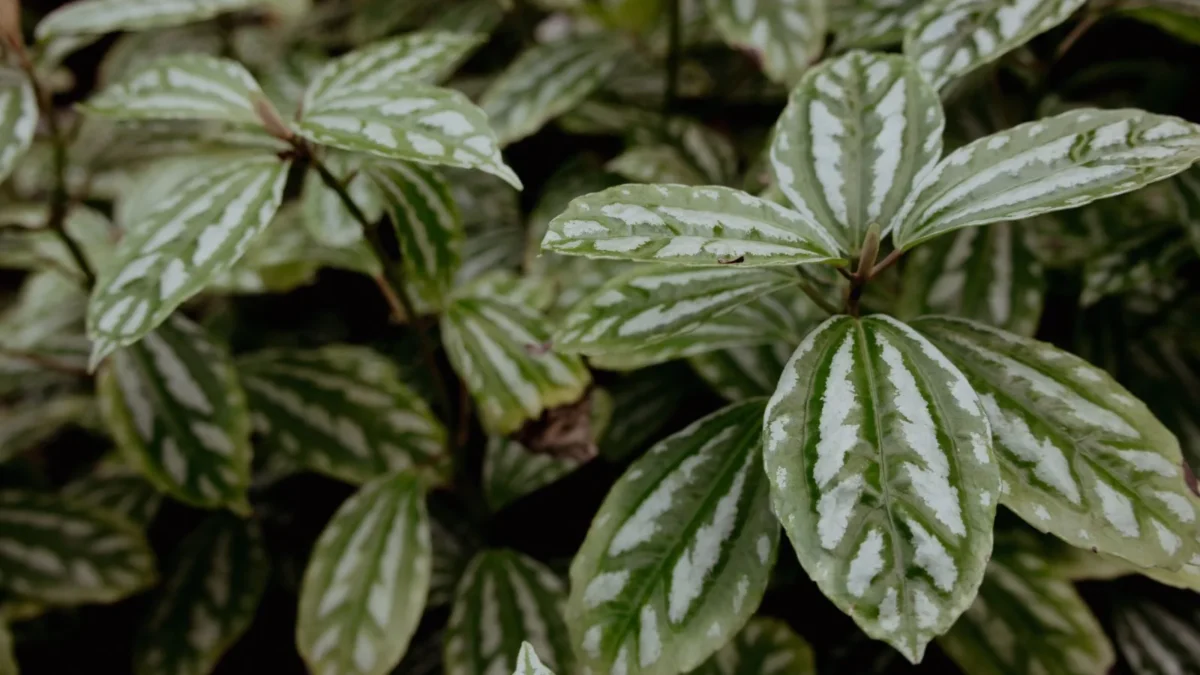
Quick answer: Aluminum plant leaves turn black or brown mainly due to overwatering and root rot, low humidity, fungal infections, or temperature stress. Check your watering routine first— water when the top 1 inch of soil starts to dry out, and avoid overwatering or leaving the pot standing in water, as roots can easily rot.
| Botanical name | Pilea cadierei |
|---|---|
| Light | bright indirect light; avoid full sun; tolerates medium light |
| Watering | water when top 1 in of soil starts to dry out; avoid overwatering |
| Humidity | high humidity required; at least 50%; use wet pebble tray or humidifier |
| Temperature | 60-75 °F (15-23 °C); keep above 10°C; avoid cold drafts |
| Soil | peaty soil-based potting mix; well-draining, slightly acidic to neutral pH 6.0-7.0 |
| Feeding | balanced liquid fertilizer half-strength once monthly during growing season spring-summer |
| Size | 30 cm (12 inches) tall; bushy, compact growth |
| Difficulty | easy |
| Cats | ✓ non-toxic |
| Dogs | ✓ non-toxic |
| What you see | Likely cause | What to do |
|---|---|---|
| Soft, drooping leaves; soil feels soggy | Overwatering and root rot | Remove the plant from the pot to inspect the soil; if it feels soggy and clumpy, replace it immediately and cut away rotted roots |
| Crispy, brown leaf tips; leaves feel papery | Low humidity | Place the plant on a tray of wet pebbles or near a cool-mist room humidifier to reach at least 50% relative humidity |
| Small round brown or black spots on leaves; spots may merge | Leaf spot fungal disease | Use sterilized scissors to remove infected leaves; water at the base only to keep leaves dry; consider applying a fungicide for leaf spot |
| Blackened edges or entire leaves black | Direct sunlight or temperature stress | Move away from direct sun; grow in bright indirect light, avoiding full sun. Keep above 10°C and away from cold drafts |
| Underwatered, brown drooping leaves; perk up after watering | Inconsistent watering | Water regularly so the plant doesn’t dry out completely; leaves will recover when watered |
Why overwatering causes black and brown leaves
When you give the plant more water than it can handle, the roots become waterlogged and can’t breathe, leading to root rot—where roots start to decay and can’t take up water effectively. This stress causes leaves to turn black or brown, often starting at the edges. Too much water over time can quickly cause root rot, which means leaves start to fall off and the plant becomes unstable.
Fungal leaf spot and powdery mildew
Leaf spot diseases can be caused by both fungal and bacterial pathogens, leading to brown or black spots on the leaves; these spots can merge, causing extensive damage if not addressed promptly. Look for small, round spots that are brown, black, or yellow; these may be surrounded by a halo and can lead to leaf drop if severe.
Overwatering and high humidity can make leaf spot worse, so always water at the base of the plant to keep leaves dry. Remove infected leaves with sterilized scissors and improve air circulation around the plant.
Powdery mildew is another common fungal disease, particularly in humid environments; it appears as a white, powdery substance on leaves and can eventually cause yellowing and leaf drop. Keep your plant in a well-ventilated space with plenty of air circulation; avoid overhead watering, as wet leaves are more susceptible to fungal infections.
Environmental stress: light, temperature, and low humidity
Direct sunlight can scorch the leaves, leading to blackened edges or spots. Aluminum plants prefer bright but indirect light, so position yours near an east or north-facing window.
Temperature changes can be tough on your plant; they prefer a stable environment between 60–75 °F. Keep them out of cold drafts and always above 10°C, as sudden shifts can cause stress and black leaves.
Low humidity equals drooping, brown, and crispy leaves. Browning leaf tips can be a sign of low humidity or inconsistent watering; aluminum plants thrive in high humidity environments. Plants appreciate humidified rooms or placement on a bed of wet pebbles.
Preventing brown and black leaves
The best defence is consistent care. Water when the top 1 inch of soil starts to dry out—not before, and not after the soil becomes hard. Maintain at least 50% humidity using a pebble tray or humidifier. Keep your plant in bright indirect light, away from direct sun and cold drafts. Feed with half-strength balanced liquid fertilizer once a month during spring and summer only. Finally, rotate the plant by a quarter turn every month to ensure even growth and light exposure.
Read the full guide: Aluminum Plant Care: The Complete Guide
More about Aluminum Plant
The same problem in other plants
- Why Are My Rex Begonia Leaves Turning Brown?
- Why Are My Norfolk Island Pine Leaves Turning Brown?
- Why Is My Rattlesnake Plant Turning Brown?
- Why Are My Corn Plant Leaves Turning Brown at the Tips?
Sources
- Common Diseases Affecting Aluminum Plants
- Common Aluminum Plant Diseases (And How To Treat Them)
- Why Are Aluminum Plant Leaves Turning Black?
Photo: Troy Tumbin / Pexels, Pexels