Aluminum Plant Pilea cadierei
Why Is My Aluminum Plant Losing Leaves? Stop the Leaf Drop Now
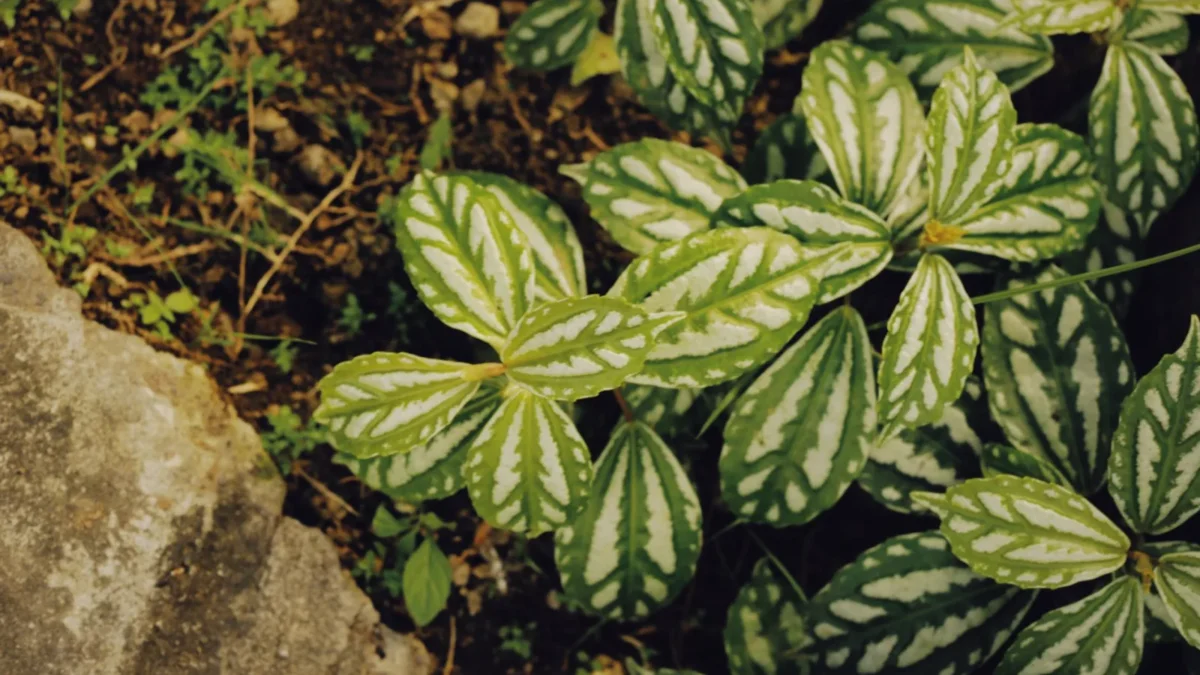
Quick answer: Your Aluminum Plant is losing leaves most likely due to overwatering, low humidity, cold drafts, or natural leaf drop from mature stems. The good news is that most causes are easy to fix once you identify the problem.
| Botanical name | Pilea cadierei |
|---|---|
| Light | bright indirect light; avoid full sun; tolerates medium light |
| Watering | water when top 1 in of soil starts to dry out; avoid overwatering |
| Humidity | high humidity required; at least 50%; use wet pebble tray or humidifier |
| Temperature | 60-75 °F (15-23 °C); keep above 10°C; avoid cold drafts |
| Soil | peaty soil-based potting mix; well-draining, slightly acidic to neutral pH 6.0-7.0 |
| Feeding | balanced liquid fertilizer half-strength once monthly during growing season spring-summer |
| Size | 30 cm (12 inches) tall; bushy, compact growth |
| Difficulty | easy |
| Cats | ✓ non-toxic |
| Dogs | ✓ non-toxic |
| What you see | Likely cause | What to do |
|---|---|---|
| Soft, drooping leaves that fall off | Overwatering or root rot | Let soil dry out; if soggy, repot with fresh soil and trim rotted roots |
| Dry, brown, crispy leaves | Low humidity (below 50%) | Place on wet pebble tray or use a humidifier |
| Sudden leaf drop after moving | Cold draft or temperature change | Move away from drafty windows; keep above 10°C (50°F) |
| Lower leaves dropping naturally | Normal aging | No action needed; older stems naturally drop lower leaves |
| Yellowing, drooping leaves | Underwatering | Water when top 1 inch of soil starts to dry out |
| Leaves with brown or black spots | Fungal or bacterial leaf spot | Remove infected leaves; water at soil level; improve air circulation |
Overwatering and root rot: the most common culprit
Overwatering is the biggest reason Aluminum Plants lose leaves. When you water too much, roots sit in soggy soil and can’t absorb oxygen, leading to root rot—a condition where roots decay and can’t take up water or nutrients effectively. You’ll notice leaves droop, curl, turn yellow, and eventually fall off.
To check for root rot, remove the plant from its pot. If the soil feels soggy and clumpy, replace it immediately and trim away any mushy, rotted roots. This matters because delaying treatment causes even more leaves to drop.
To get your plant back on track, water it once a day for a week—this is gentler than a large soaking and prevents shock. Going forward, water only when the top 1 inch of soil starts to dry out. Never leave the pot standing in water.
Low humidity: dry leaves and leaf drop
Aluminum Plants need high humidity—at least 50% relative humidity. Without it, leaves turn brown and crispy and eventually drop off.
To raise humidity, place the plant on a tray filled with wet pebbles, or position it near a cool-mist room humidifier. Grouping plants together also helps, as they naturally increase moisture around each other.
Cold drafts and temperature stress
Aluminum Plants are sensitive to cold and sudden temperature swings. They prefer a stable year-round temperature between 60–75°F (15–23°C). Cold drafts from windows or doors can cause sudden leaf drop.
Keep your plant away from drafty windows and heating vents. Always maintain temperatures above 10°C (50°F).
When leaf drop is normal
Older stems naturally drop their lower leaves as the plant matures. This is healthy, not a problem. Only worry if leaves change appearance—browning suggests too much direct sun, and yellowing often points to overwatering.
Prevention: keep leaves healthy and on the plant
Water when the top 1 inch of soil starts to dry out, and always use well-draining, peaty soil-based potting mix. Maintain humidity above 50% with a pebble tray or humidifier. Keep temperatures between 60–75°F (15–23°C) and away from drafts. Grow your plant in bright, indirect light—avoid direct sun, which can scorch leaves. During spring and summer, feed with half-strength balanced liquid fertilizer once a month to support healthy growth.
Read the full guide: Aluminum Plant Care: The Complete Guide
More about Aluminum Plant
The same problem in other plants
- Why Are My Begonia Maculata Leaves Falling Off?
- Why Is My Ti Plant Losing Leaves?
- Why Is My Rex Begonia Dropping Leaves?
- Why Are My Burro's Tail Leaves Falling Off?
Sources
- Pilea cadierei – Plant Finder
- Aluminum Plant Care – Pilea Cadierei – House Plants Expert
- Why is my Aluminium Plant losing leaves?
Photo: Alexey Demidov / Pexels, Pexels