Bamboo Palm Chamaedorea seifrizii
Bamboo Palm Care: The Complete Guide
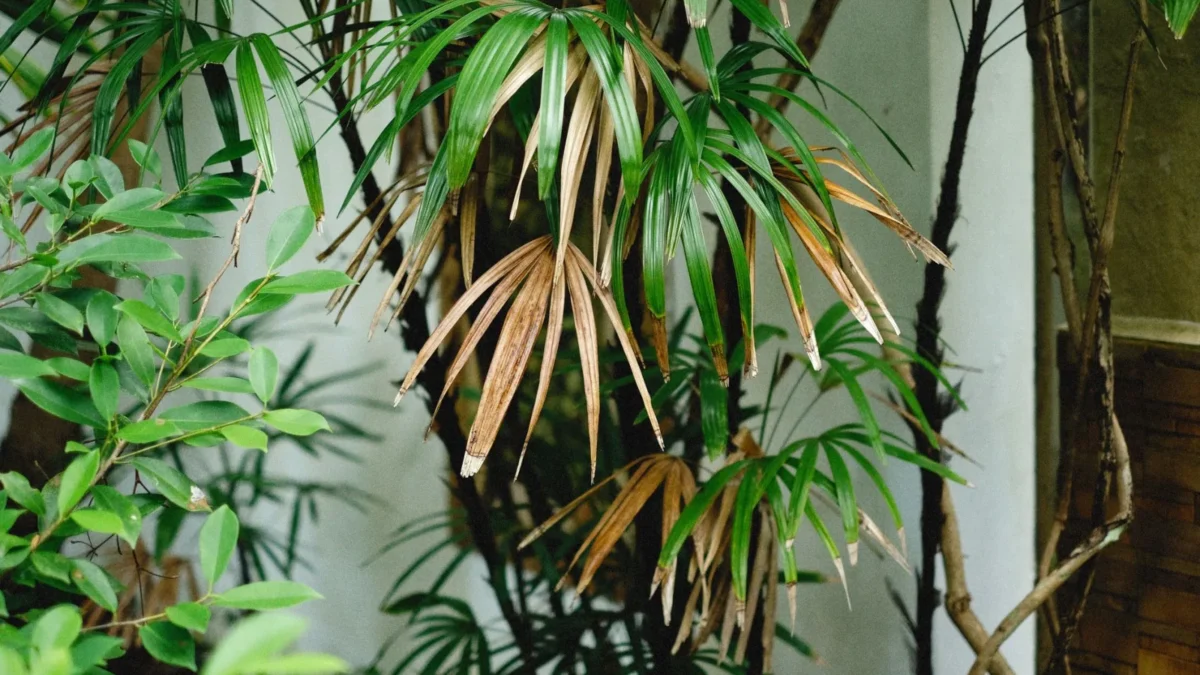
This guide covers everything you need to know to grow and maintain a healthy bamboo palm indoors, from light and watering to troubleshooting common problems. The bamboo palm is an easy to maintain plant that tolerates a range of conditions, making it rewarding for beginners and experienced growers alike. With the right care, your bamboo palm will thrive and potentially reach impressive size over time.
| Botanical name | Chamaedorea seifrizii |
|---|---|
| Light | bright indirect light; tolerates low light away from windows |
| Watering | water when top inch of soil feels dry; water freely in growing season, sparingly in winter |
| Humidity | 50–60% humidity; mist regularly to prevent crispy leaf tips |
| Temperature | 18–27°C; avoid prolonged temperatures below 10°C |
| Soil | free-draining peat-free compost, acidic to neutral; 2 parts peat moss, 1 part perlite, 1 part loamy soil |
| Feeding | balanced liquid fertilizer monthly during growing season; every other month fall and winter |
| Size | up to 10 feet tall; spreads 3–6 feet wide |
| Difficulty | easy |
Key points
– Water when the top inch of soil feels dry; water freely during spring and summer, sparingly in winter
– Provide bright indirect light, though the plant tolerates low light away from windows
– Maintain 50–60% humidity and mist regularly to prevent crispy leaf tips
– Use free-draining peat-free compost and fertilize monthly during the growing season
– Brown and yellow leaves usually signal watering issues, low humidity, or poor light—each is fixable
Light Requirements for Bamboo Palms
Bamboo palms thrive in full light but need protection from strong sun. This means a spot near a window with bright, filtered light is ideal—think of the light you’d find under a tree canopy outdoors. A east-facing or north-facing window works well in most homes.
If you don’t have a bright spot available, don’t worry. The plant can tolerate quite low light levels away from windows. However, expect slower growth and potentially weaker foliage. If leaves begin to yellow and growth slows noticeably, too little light will cause the leaves to yellow and growth to be poor. In that case, move your bamboo palm to a brighter location with indirect sunlight.
Rotate your plant every few weeks to encourage even growth on all sides.
Watering Your Bamboo Palm Correctly
Watering is where most problems begin, so get this right and your bamboo palm will thrive. Keep soil evenly moist but not wet, and water when the top inch of soil feels dry. In the growing season water freely and water sparingly in winter.
During spring and summer when the plant is actively growing, check the soil regularly—usually once or twice a week. In autumn and winter, growth slows dramatically, so the soil dries more slowly and you’ll water less often. It’s easy to overwater in winter; if you’re not sure, wait another day or two.
Overwatering and Root Rot
Overwatering can turn bamboo palm’s roots into a soggy mess; roots need air to breathe, and too much water suffocates them, leading to root rot that manifests as brown spots on the leaves. If the soil smells sour or musty, or if the stems feel soft and squishy when you gently squeeze them, root rot is likely advanced.
To prevent this: Ensure your pot has good drainage and allow the topsoil to dry out slightly between watering. A pot with drainage holes is essential; without them, water pools at the roots.
Underwatering
Underwatering causes roots to search for moisture, leaving leaves neglected with dry, brown spots. Water when the top inch of soil feels dry and don’t let the soil dry out completely.
Using the Right Water
Hard tap water, if used regularly, can harm a bamboo palm, creating unsuitably alkaline conditions – use rainwater whenever possible. If rainwater isn’t available, let tap water sit in an open container for 24 hours to allow some minerals to settle.
Soil, Potting, and Repotting
Bamboo palms prefer free-draining peat-free compost that is acidic to neutral. This is crucial because the roots are prone to rot in waterlogged soil, and proper drainage directly prevents that problem.
Mix your own soil for best results. Use 2 parts peat moss, 1 part perlite or pumice, and 1 part loamy soil, with an optimal pH range of 5.5–7.0. Alternatively, buy a houseplant compost labeled peat-free and mix in extra perlite to improve drainage—roughly one part perlite to three parts compost.
When and How to Repot
Repot every 2–3 years with fresh potting mix, and ensure the pot has adequate drainage holes. Repot in spring, when the plant is beginning its active growth phase.
Signs the plant needs repotting are visible roots coming out of the drainage holes or when soil compaction becomes obvious. When repotting, water the plant a day before repotting to reduce stress and place a layer of fresh potting mix in the new pot. Choose a pot only slightly larger than the current one—an extra inch or two in diameter is plenty. A pot that’s too large holds excess moisture and increases rot risk.
Feeding and Fertilizer Needs
Feed with a balanced, liquid fertilizer monthly during the growing season (spring and summer) and reduce to every other month in fall and winter. A balanced fertilizer has equal or nearly equal ratios of nitrogen, phosphorus, and potassium—look for something labeled 10–10–10 or similar.
Apply fertilizer to moist soil, never dry soil, as this can burn roots. Follow the dosage on the package; more fertilizer doesn’t help and can damage the plant.
During autumn and winter, the plant’s growth virtually stops, so it needs far less feeding. Skip fertilizer entirely in December and January if you prefer—the plant won’t suffer.
Common Problems: Brown Leaves, Yellow Leaves, and Drying Tips
Brown Leaves and Brown Leaf Tips
Brown leaves and leaf tips can be caused by over or underwatering, low humidity levels, or a lack of fertilizer. The cause matters because the fix is different for each.
If the soil is soggy and the plant shows signs of root rot (soft stems, musty smell), cut back watering and ensure drainage is adequate. If the soil dries out quickly and you’re watering less than once a week, increase watering frequency slightly and check that the pot drains well.
If the humidity is low (below 40%), brown tips often appear first. Aim for 50–60% humidity; moderate household humidity is usually sufficient. Misting regularly helps prevent problems with low air humidity, such as crispy leaf tips. Mist the leaves several times a week, or group plants together to create a more humid microclimate.
If none of these apply, a lack of fertilizer can cause brown leaves. Feed monthly during the growing season and see if new growth improves.
Once a leaf tip browns, it won’t turn green again—simply trim off the brown part with clean scissors, cutting at an angle that mimics the leaf’s natural shape.
Yellow Leaves
Overwatering, poor drainage, or a lack of nutrients can cause leaves to yellow. This is a broad symptom that requires you to look at the whole plant.
Check the soil: is it wet or does it smell off? If so, if brown leaves occur along with a potting medium that is boggy, smells unpleasant or the plant’s trunks and central stems are soft or squishy, it’s likely the palm is over-watered and it’s progressed to root rot. In this case, adjust watering habits, ensure the pot has adequate drainage, and consider fertilizing.
If the soil is fine and the yellowing is concentrated on the oldest leaves (lower fronds), this signals nitrogen causes yellowing older leaves, while iron results in yellowing new leaves with green veins. For nitrogen deficiency, use a balanced fertilizer. If only new leaves yellow but older ones stay green, an iron deficiency is likely—your soil may be too alkaline. Ensure you’re using rainwater rather than hard tap water, and consider adding a chelated iron supplement.
Too little light will cause the leaves to yellow and growth to be poor. If your bamboo palm is in a dim corner, moving it to a brighter spot may solve yellowing over several weeks.
Bamboo palm develops yellow-to-brown streaks with excess fertilizer or poor air circulation. If you’ve been feeding more than once a month, scale back. For air circulation, place a small fan nearby on low, or simply ensure the plant isn’t wedged in a corner where air becomes stagnant.
Drying Leaf Tips
Drying tips are usually a humidity problem. If air humidity is low, plants transpire quickly and become at risk of wilting if water is lost from the leaves faster than it can be absorbed by the roots. Increase humidity by misting, using a pebble tray beneath the pot, or grouping plants together.
Pests and Diseases
Glasshouse red spider mite, scale insects and thrips may be a problem. These pests are uncommon on healthy bamboo palms but can appear if the plant is stressed or in a hot, dry environment. Regular misting and good air circulation discourage infestations.
If you notice tiny webs under the fronds (spider mites), clusters of brown bumps on stems (scale), or tiny insects on new growth (thrips), treat the plant by misting thoroughly with water first, then spray with neem oil or insecticidal soap according to package directions. Repeat every 7–10 days for several weeks. Isolate the plant from others to prevent the pests from spreading.
Propagation Methods: Seeds and Cuttings
Propagating the bamboo palm is typically done through division or seed propagation, with division being the most common and successful method for home gardeners.
Division
Division is the easiest method and produces results quickly. Propagate by division; during repotting, separate the clumps of stems and roots carefully and plant the divisions in separate pots with fresh soil and water well. The bamboo palm grows as a clump of multiple stems, so when you unpot it, you can gently tease the root ball apart and split it into 2–3 sections, each with at least one or two stems and healthy roots attached.
Plant each section in fresh, moist potting mix in a pot with drainage holes. Keep the soil lightly moist (not soggy) for the first few weeks while roots establish. With division, new growth usually appears within 4–6 weeks.
Seed Propagation
Propagating bamboo palm primarily involves seed germination as the most effective method for home gardeners, though it does not readily propagate from cuttings due to its clumping growth habit. Seeds are slow but are reliable if you’re patient.
Bamboo palm seeds can take up to six months to germinate, the fruits that they’re housed in can cause contact dermatitis, and fruiting is unlikely to happen in the case of indoor plants. If you do obtain seeds (usually from specialist suppliers), soak them first. Before planting, soak the seeds in warm water for 24 to 48 hours. Then place them in seed compost—a light, soilless mix—in a tray or small pots.
Place the tray or pots in an area with a consistent temperature of about 85 degrees Fahrenheit for the next six to nine months. A heated propagator or the top of a warm shelf works well. Keep the soil lightly moist but never waterlogged. Germination is slow and sporadic; some seeds may sprout within three months, while others take longer. Once sprouted, move seedlings to bright, indirect light and continue misting to maintain humidity.
Keeping Your Bamboo Palm Alive: Humidity and Temperature
Humidity
Aim for 50–60% humidity; moderate household humidity is usually sufficient. In most homes, this means humidity around 40–60%, which is comfortable for both plants and people. If your home is very dry (below 40% humidity, common in winter with heating), take steps to increase it.
Misting regularly helps prevent problems with low air humidity, such as crispy leaf tips. Mist the foliage 2–3 times weekly using a spray bottle. You can also place the pot on a pebble tray—a shallow tray filled with pebbles and a little water—so that as water evaporates, humidity around the plant increases. Don’t let the pot sit directly in water, as this waterlogged the roots; the pebbles keep the pot above the water level.
Grouping plants together also raises local humidity, as plants release moisture through their leaves (transpiration) which benefits neighboring plants.
Temperature
Keep temperatures around 18–27°C and avoid prolonged temperatures below 10°C. This is a wide, forgiving range that covers most indoor homes. The plant isn’t picky about exact temperature but dislikes cold drafts and sudden changes.
Protect the plant from cold windows in winter (if leaves touch a cold pane repeatedly, they may yellow) and avoid placing it near heating vents that blow hot, dry air directly onto the foliage. In summer, temperatures above 27°C aren’t harmful but may increase the plant’s watering needs, so keep an eye on soil moisture.
FAQ
Is bamboo palm toxic to cats and dogs?
The bamboo palm is listed by the ASPCA as non-toxic to cats and is also safe for dogs. However, swallowing large amounts of raw palm leaves can cause mild mechanical stomach upset in dogs or cats due to the high fiber content, but this is non-toxic and resolves on its own. It’s best to discourage chewing, though accidental nibbling poses no serious risk.
How large does a bamboo palm grow?
Mature clumps reach up to 10 feet tall and spread to 3–6 feet wide. Indoor plants typically grow slower and often stay smaller, depending on light and care. Growth is gradual—expect 6–12 inches per year in good conditions.
Can you propagate bamboo palm from cuttings?
Bamboo palm does not readily propagate from cuttings due to its clumping growth habit. Division and seed propagation are your best options.
How often should I water my bamboo palm?
Water when the top inch of soil feels dry. In spring and summer, this is often once or twice weekly; in autumn and winter, once every 1–2 weeks or even less. Always check the soil first—there’s no fixed schedule, as watering depends on pot size, light, temperature, and humidity.
Why are the leaves on my bamboo palm browning?
Brown leaves and leaf tips can be caused by over or underwatering, low humidity levels, or a lack of fertilizer. Check your watering routine first, then examine humidity (mist if it’s below 50%), and ensure you’re feeding monthly during the growing season. Once a leaf tip browns, trim it off; new growth will be healthier once the underlying cause is fixed.
What’s the best soil for a bamboo palm?
Use 2 parts peat moss, 1 part perlite or pumice, and 1 part loamy soil, with an optimal pH range of 5.5–7.0, or buy a peat-free houseplant compost and add extra perlite to improve drainage.
More about Bamboo Palm
Sources
- Bamboo Palm (Chamaedorea seifrizii): All You Need To Know
- Chamaedorea seifrizii
- Guide to growing Chamaedorea seifrizii (Bamboo Palm) indoors
Photo: Alexey Demidov / Pexels, Pexels