Bamboo Palm Chamaedorea seifrizii
Is Bamboo Palm Toxic to Cats and Dogs? Pet Safety Guide
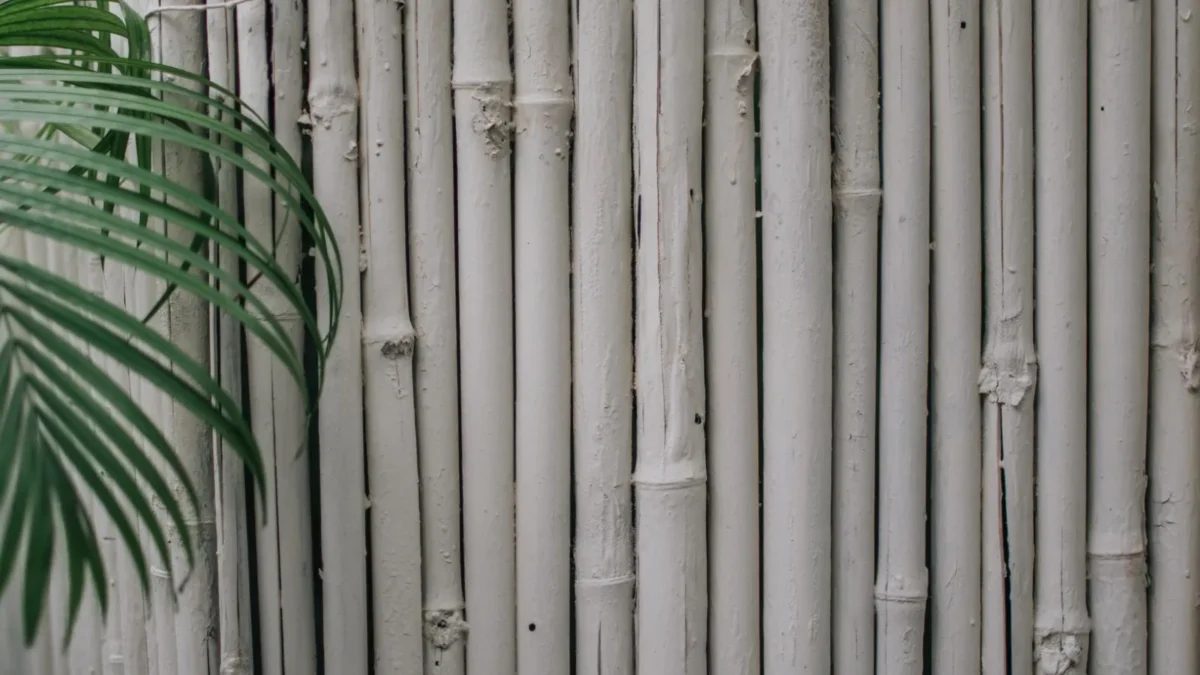
Quick answer: Bamboo palm is safe for both cats and dogs. The plant contains no toxic chemicals, cardiotoxins, or oxalates. However, swallowing large amounts of raw palm leaves can cause mild stomach upset due to high fiber content, which resolves on its own.
| Botanical name | Chamaedorea seifrizii |
|---|---|
| Light | bright indirect light; tolerates low light away from windows |
| Watering | water when top inch of soil feels dry; water freely in growing season, sparingly in winter |
| Humidity | 50–60% humidity; mist regularly to prevent crispy leaf tips |
| Temperature | 18–27°C; avoid prolonged temperatures below 10°C |
| Soil | free-draining peat-free compost, acidic to neutral; 2 parts peat moss, 1 part perlite, 1 part loamy soil |
| Feeding | balanced liquid fertilizer monthly during growing season; every other month fall and winter |
| Size | up to 10 feet tall; spreads 3–6 feet wide |
| Difficulty | easy |
Is bamboo palm toxic to cats and dogs?
Good news: the bamboo palm poses no toxicity risk to your pets. Unlike many common houseplants, this palm won’t harm your cat or dog if they chew on or nibble the leaves.
The only concern is mechanical—not chemical. If your pet swallows a large quantity of leaves, the high fiber content may cause mild stomach upset, but this isn’t poisoning and typically clears up without treatment. For most pets, a few leaves cause no problems at all.
What to do if your pet chews the bamboo palm
If you catch your cat or dog eating bamboo palm leaves, there’s no need to panic. Remove the plant from immediate reach if your pet seems interested, but understand that occasional chewing is not dangerous.
Monitor your pet for a day or two. If you notice vomiting or loose stool (signs of mild digestive upset from the fiber), offer plenty of water and their normal food. These symptoms are minor and should pass. If your pet shows no symptoms, nothing further is needed.
Contact your veterinarian only if your pet shows signs of distress beyond mild stomach upset—such as severe vomiting, lethargy, or loss of appetite—or if you’re uncertain whether they ingested something else alongside the palm.
Why bamboo palm is pet-safe
Bamboo palm belongs to the Arecaceae family and has been listed by the ASPCA as non-toxic to cats. The plant is free from the compounds that make other houseplants dangerous to pets: no oxalates (which cause mouth irritation), no cardiotoxins (which affect the heart), and no other harmful chemicals.
This makes it a genuinely safe choice for homes with curious pets, unlike philodendrons, lilies, or sago palms, which can cause serious harm. You can grow bamboo palm confidently without worrying about accidental poisoning.
Read the full guide: Bamboo Palm Care: The Complete Guide
More about Bamboo Palm
The same problem in other plants
- Is Elephant Bush Toxic to Cats, Dogs, and Pets?
- Is Pink Princess Philodendron Toxic to Cats and Dogs?
- Is Fishbone Cactus Toxic to Cats and Dogs?
- Is Maidenhair Fern Toxic to Cats and Dogs?
Sources
- Is Bamboo Palm Toxic to Dogs & Cats? ✅ Non-Toxic
- Is Costa Rica Bamboo Palm (Chamaedorea) Toxic to Cats?
- Are Bamboo Palms Toxic For Cats? – Plants'n'Cats
Photo: Pramod Tiwari / Pexels, Pexels