Bamboo Palm Chamaedorea seifrizii
Why Are My Bamboo Palm Leaves Turning Brown and Dry
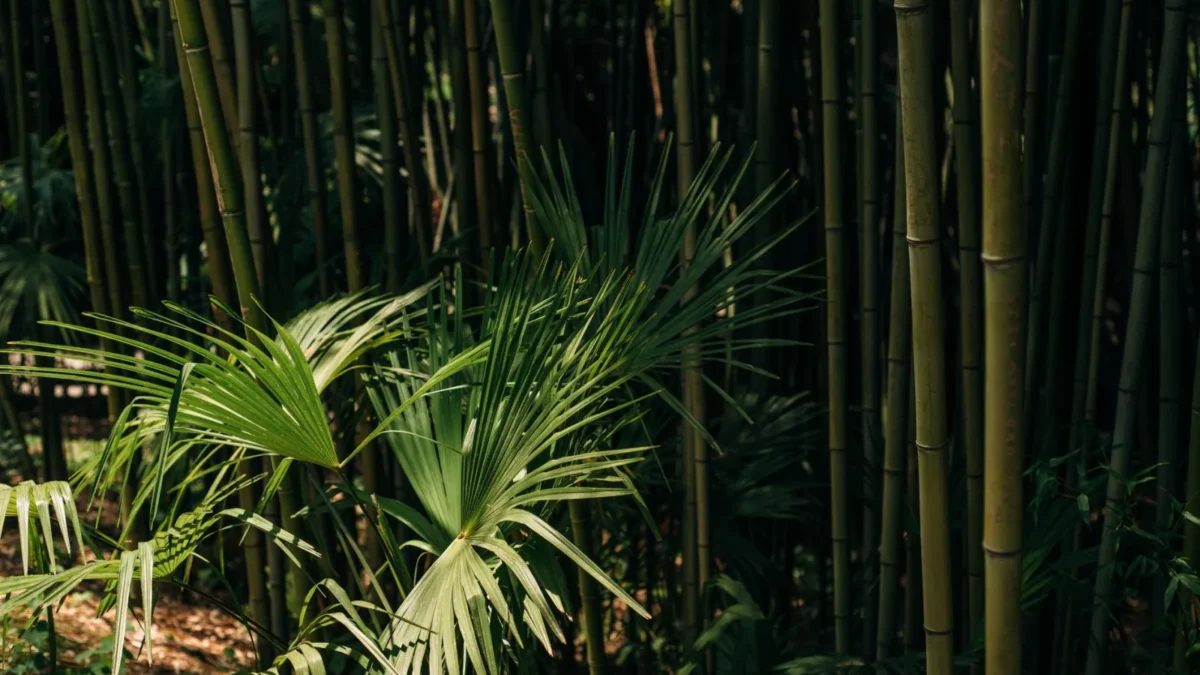
Quick answer: Bamboo palm leaves turn brown and dry due to low humidity, watering problems (either too much or too little), poor light, or lack of nutrients. Fixing it means identifying which cause applies to your plant, then adjusting its care routine accordingly.
| Botanical name | Chamaedorea seifrizii |
|---|---|
| Light | bright indirect light; tolerates low light away from windows |
| Watering | water when top inch of soil feels dry; water freely in growing season, sparingly in winter |
| Humidity | 50–60% humidity; mist regularly to prevent crispy leaf tips |
| Temperature | 18–27°C; avoid prolonged temperatures below 10°C |
| Soil | free-draining peat-free compost, acidic to neutral; 2 parts peat moss, 1 part perlite, 1 part loamy soil |
| Feeding | balanced liquid fertilizer monthly during growing season; every other month fall and winter |
| Size | up to 10 feet tall; spreads 3–6 feet wide |
| Difficulty | easy |
Common causes of brown, drying leaves
| What you see | Likely cause | What to do |
|---|---|---|
| Crispy leaf tips, especially lower leaves | Low humidity | Mist regularly and aim for 50–60% humidity |
| Brown spots with soft, mushy stems | Overwatering and root rot | Reduce watering, ensure good drainage, let soil dry slightly |
| Brown, dry spots throughout the leaf | Underwatering | Water when top inch of soil feels dry |
| Entire leaves turning brown, stunted growth | Insufficient light | Move to a location with bright indirect light |
| Brown streaks on leaves | Hard tap water or poor air circulation | Switch to rainwater and improve air movement |
| Brown with yellowing | Nutrient deficiency | Feed monthly during growing season |
How to identify and fix each problem
Humidity and crispy leaf tips
Low air humidity is one of the most common culprits. When moisture evaporates from leaves faster than roots can absorb water, the plant wilts and leaf tips dry out first. Mist your bamboo palm regularly to prevent this. Aim for 50–60% humidity; moderate household humidity is usually sufficient, but regular misting helps prevent crispy tips.
Overwatering and root rot
This is the most damaging mistake. Overwatering turns roots into a soggy mess; roots need air to breathe, and too much water suffocates them, leading to root rot that manifests as brown spots on the leaves. If brown leaves occur along with a potting medium that is boggy, smells unpleasant, or the plant’s trunks and central stems are soft or squishy, root rot has already set in.
Ensure your pot has good drainage and allow the topsoil to dry out slightly between watering. Water when the top inch of soil feels dry, and water freely during the growing season but sparingly in winter.
Underwatering
Underwatering causes roots to search for moisture, leaving leaves neglected with dry, brown spots. Don’t let the soil dry out completely—water when the top inch feels dry.
Poor light
Too little light will cause the leaves to yellow and growth to be poor, leading to brown discoloration. Bamboo palms prefer bright but indirect light. They can tolerate quite low light levels away from windows, but they still need reasonably bright conditions. Move your plant to a brighter location with indirect sunlight.
Hard water and mineral buildup
Hard tap water, if used regularly, can harm your bamboo palm, creating unsuitably alkaline conditions. Use rainwater whenever possible to prevent this issue.
Nutrient deficiency
Lack of fertilizer contributes to brown leaves. Feed with a balanced liquid fertilizer monthly during the growing season (spring and summer) and reduce to every other month in fall and winter.
Preventing brown leaves going forward
The key is consistency. Check the soil moisture before watering—if the top inch is still moist, wait another day or two. Use rainwater or filtered water rather than hard tap water. Mist regularly, especially in winter when indoor air tends to be drier. Maintain temperatures around 18–27°C and avoid prolonged temperatures below 10°C. Finally, stick to a regular feeding schedule during the growing months. Bamboo palms are easy to maintain plants with slow growth rates, so small adjustments to your routine will show results over time.
Read the full guide: Bamboo Palm Care: The Complete Guide
More about Bamboo Palm
The same problem in other plants
- ZZ Plant Leaves Turning Brown: Causes and Solutions
- Why Are My Coffee Plant Leaves Turning Brown and Crispy?
- Why Are My Baby Tears Leaves Turning Brown?
- Why Are My Mini Monstera Leaves Turning Brown?
Sources
- How to grow chamaedorea / RHS Growing Guide
- Bamboo Palm (Chamaedorea seifrizii): All You Need To Know
- Guide to growing Chamaedorea seifrizii (Bamboo Palm) indoors
Photo: Oleg Prachuk / Pexels, Pexels