Bamboo Palm Chamaedorea seifrizii
How to Propagate Bamboo Palm: Division and Seeds
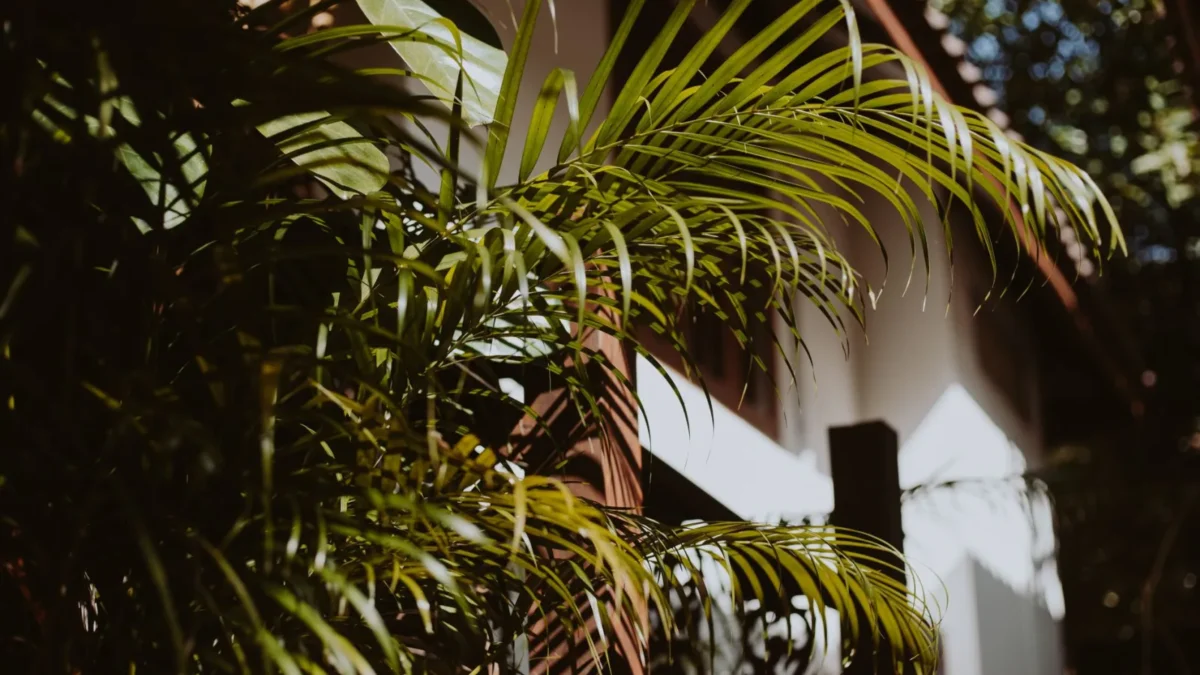
Quick answer: The easiest way to propagate a bamboo palm is through division—splitting a mature clump into separate plants during repotting. Seed propagation works too but takes six months or longer to see germination, while cuttings won’t root because the plant grows in clumps rather than from stems.
| Botanical name | Chamaedorea seifrizii |
|---|---|
| Light | bright indirect light; tolerates low light away from windows |
| Watering | water when top inch of soil feels dry; water freely in growing season, sparingly in winter |
| Humidity | 50–60% humidity; mist regularly to prevent crispy leaf tips |
| Temperature | 18–27°C; avoid prolonged temperatures below 10°C |
| Soil | free-draining peat-free compost, acidic to neutral; 2 parts peat moss, 1 part perlite, 1 part loamy soil |
| Feeding | balanced liquid fertilizer monthly during growing season; every other month fall and winter |
| Size | up to 10 feet tall; spreads 3–6 feet wide |
| Difficulty | easy |
Division: The fastest method for propagating bamboo palm
Division is your best bet for home propagation. The process works because bamboo palms naturally grow as clumps of multiple stems, making them ideal for splitting.
- Repot your mature plant in spring. Water it a day before to reduce stress.
- Carefully remove the plant from its pot and examine where the clumps of stems meet the roots.
- Gently separate the root ball into 2–3 sections, keeping roots and stems together in each division.
- Plant each division into a separate pot with fresh potting mix and water well.
- Keep the soil consistently moist (not wet) while new growth establishes.
What to expect: New growth usually appears within 4–6 weeks. Your new plants will be smaller versions of the parent and establish faster than seedlings because they have an existing root system.
Growing bamboo palm from seeds
If you want to start from seed, prepare for patience. Seeds can take up to six months to germinate, and indoor plants rarely produce fruit anyway, so sourcing seeds is the main challenge.
- Soak seeds in warm water for 24–48 hours before planting.
- Use a seed-starting mix in small pots or a seed tray.
- Keep the temperature at about 85°F (29°C) consistently for 6–9 months.
- Maintain moisture without waterlogging—the soil should feel like a wrung-out sponge.
- Once germinated, grow seedlings under bright indirect light.
- Water when the top inch of soil feels dry.
What to expect: Germination is slow and uneven, but once sprouted, seedlings will grow into mature plants over years. Move them to individual pots once they’ve developed their first true leaves.
Why cuttings don’t work for this palm
Bamboo palm doesn’t propagate successfully from cuttings. Unlike some houseplants, it grows from underground clumps rather than branching stems, so individual leaf or stem sections won’t root. Division or seed are your only reliable options.
Common mistakes to avoid
Overwatering new divisions. Fresh transplants need consistent moisture but not soggy soil. Allow the top inch to dry between waterings.
Rushing seed germination. Maintaining steady warmth is more important than frequent watering. Cool temperatures will only delay sprouting further.
Using hard tap water. If your water is alkaline, it can harm the developing plant. Use rainwater or filtered water whenever possible.
Read the full guide: Bamboo Palm Care: The Complete Guide
More about Bamboo Palm
The same problem in other plants
- How to Propagate Pink Princess Philodendron: Step-by-Step Methods
- How to Propagate Fishbone Cactus: Step-by-Step Methods
- How to Propagate String of Turtles: Water, Soil, and Leaf Methods
- How to Propagate Maidenhair Fern: The Complete Guide
Sources
- Bamboo Palm (Chamaedorea seifrizii): All You Need To Know
- Bamboo Palm Care Guide: Growing Chamaedorea seifrizii Indoors 🌟 – Healthy Houseplants
- Guide to growing Chamaedorea seifrizii (Bamboo Palm) indoors
Photo: cottonbro studio / Pexels, Pexels