Bird of Paradise Strelitzia nicolai
Bird of Paradise Care: The Complete Guide
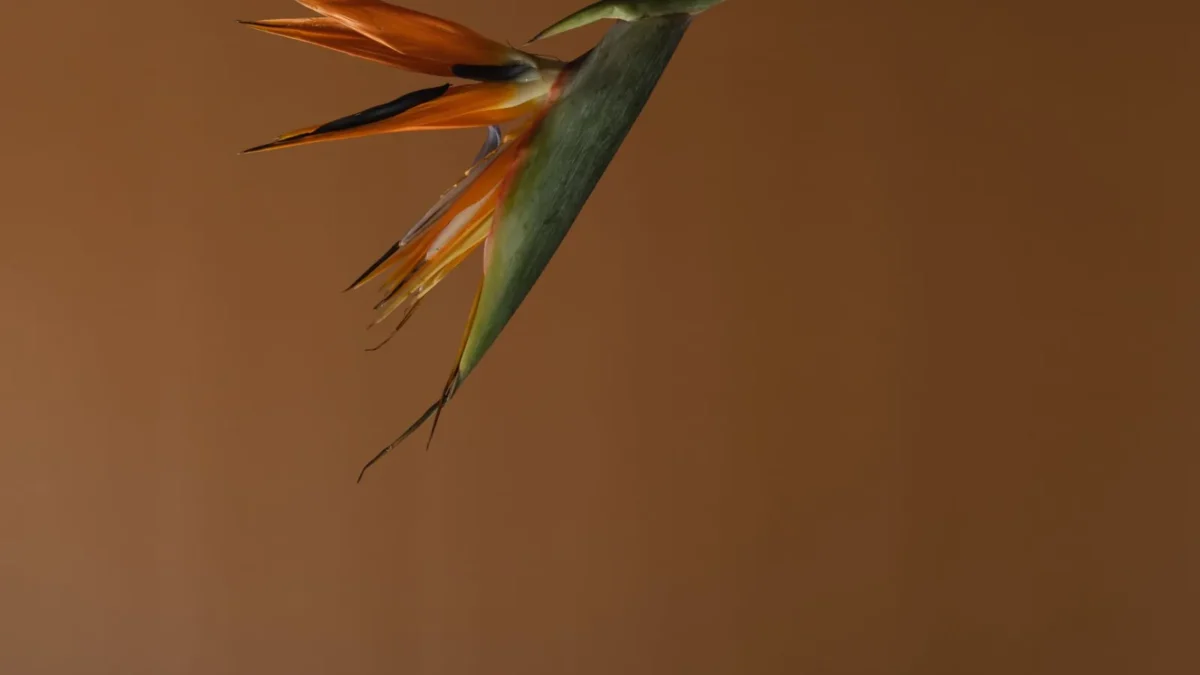
Bird of Paradise (Strelitzia nicolai) is one of the easier tropical houseplants to care for, making it an excellent choice for anyone wanting to add dramatic foliage to their home. This guide covers everything you need to know about Bird of Paradise care to keep your plant healthy, from light requirements to troubleshooting common issues.
| Botanical name | Strelitzia nicolai |
|---|---|
| Light | Full light with shade from hot sun; avoid direct afternoon sun |
| Watering | Water when top 2 inches of soil feel dry; water freely during growth, sparingly in winter |
| Humidity | 60-70% humidity; mist daily if humidity is low |
| Temperature | 18-27°C in summer; above 10°C in winter |
| Soil | Peat-free, loam-based compost with coir, pine bark, and perlite for drainage |
| Feeding | Balanced liquid fertilizer monthly during growth; do not feed in winter |
| Size | 1.5-2.5 metres height and spread |
| Difficulty | easy |
Key points
- Provide full light with shade from hot afternoon sun to prevent leaf burn and encourage flowering
- Water when the top 2 inches of soil feel dry; water freely during growth and sparingly in winter
- Maintain 60–70% humidity and mist daily if the air is dry
- Keep temperatures between 18–27°C in summer and above 10°C in winter
- Use peat-free, loam-based compost with added coir, pine bark, and perlite for drainage
- This plant is toxic to both cats and dogs
Light Requirements for Bird of Paradise
Bird of Paradise thrives in full light with shade from hot sun. Direct afternoon sun causes leaf burn, while insufficient light prevents blooming and causes leggy growth. Position your plant where it receives bright, indirect light throughout the day. A south-facing window with a sheer curtain is ideal in summer, or move the plant back from the window during the hottest months. Indoors, this plant will still perform well in bright conditions away from direct rays.
Watering Your Bird of Paradise
Keep the soil moist but not wet, and always allow it to dry out before watering again. During the growing season, water freely every 7–10 days with thorough soaking. Test the soil by checking when the top 2 inches feel dry. Water the plant thoroughly and allow excess water to drain away, as Bird of Paradise doesn’t like to sit in standing water.
In winter, water sparingly every 14–21 days as growth slows. This dormant period requires significantly less water, so adjust your watering schedule accordingly. Overwatering is a common mistake—the plant will develop brown leaves that can split, curl, and turn brown on the edges.
Humidity and Temperature Needs
Strelitzia nicolai thrives in humidity levels around 60–70%. If your home’s air is dry, mist the leaves daily to maintain adequate humidity. Low humidity causes leaves to curl inward, so consistent moisture in the air is essential for healthy foliage.
The plant needs temperatures between 18 and 27°C in summer and above 10°C in winter. If you’re growing Bird of Paradise outdoors in the UK or similar climates, move it inside before temperatures drop below 12°C, as these tender plants won’t survive a British winter outdoors. Sudden temperature changes can also cause leaves to curl, so keep your plant away from draughts and heaters.
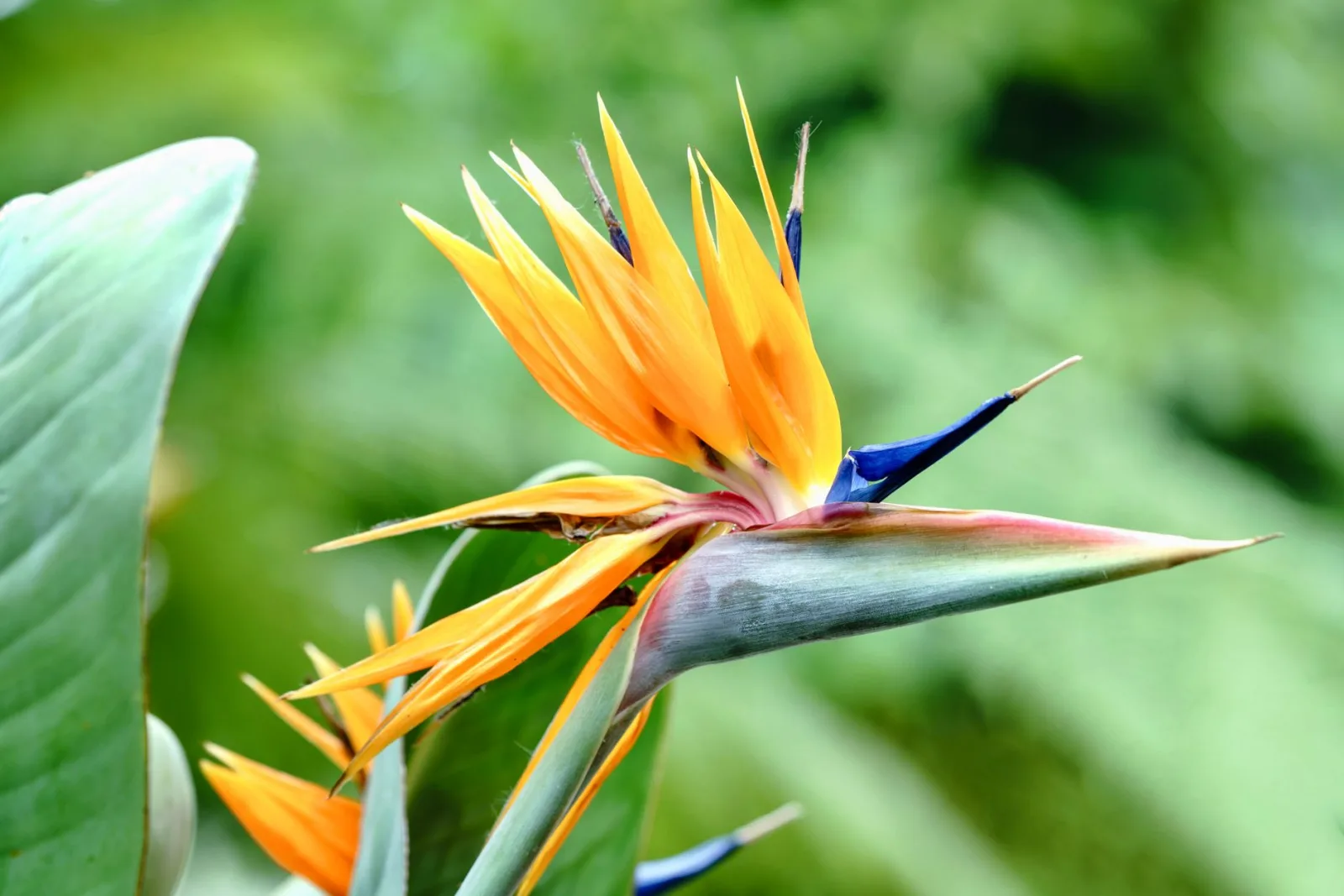
Soil and Repotting Guidelines
Grow Bird of Paradise in peat-free, loam-based compost. A blend with coir or peat, pine bark, and perlite is ideal for drainage. This mix ensures the soil drains well while retaining enough moisture for healthy root growth.
Bird of Paradise may need repotting every 1–2 years, ideally in spring when growth begins. Divide the plant by separating rooted shoots in April and May. Repotting gives you the opportunity to refresh the soil and check for any root issues. Choose a container that’s appropriately sized—one that’s slightly larger than the root ball is usually sufficient.
Feeding and Fertilizing
Apply a balanced liquid fertilizer monthly during the growing season. This supports healthy foliage and flowering. Do not feed in winter as the plant enters a state of dormancy. Over time, a buildup of excess fertilizer or chlorine and fluoride from tap water can cause leaves to turn brown or black. If you notice this happening, flush the soil thoroughly with distilled water to remove mineral buildup.
Pruning and Maintenance
Remove any browning or tatty leaves at the base using sharp secateurs to keep the plant looking its best. This simple maintenance task improves the plant’s appearance and redirects energy toward healthy new growth. Pruning also helps maintain the plant’s shape and prevents it from becoming overly leggy.
Propagation Methods
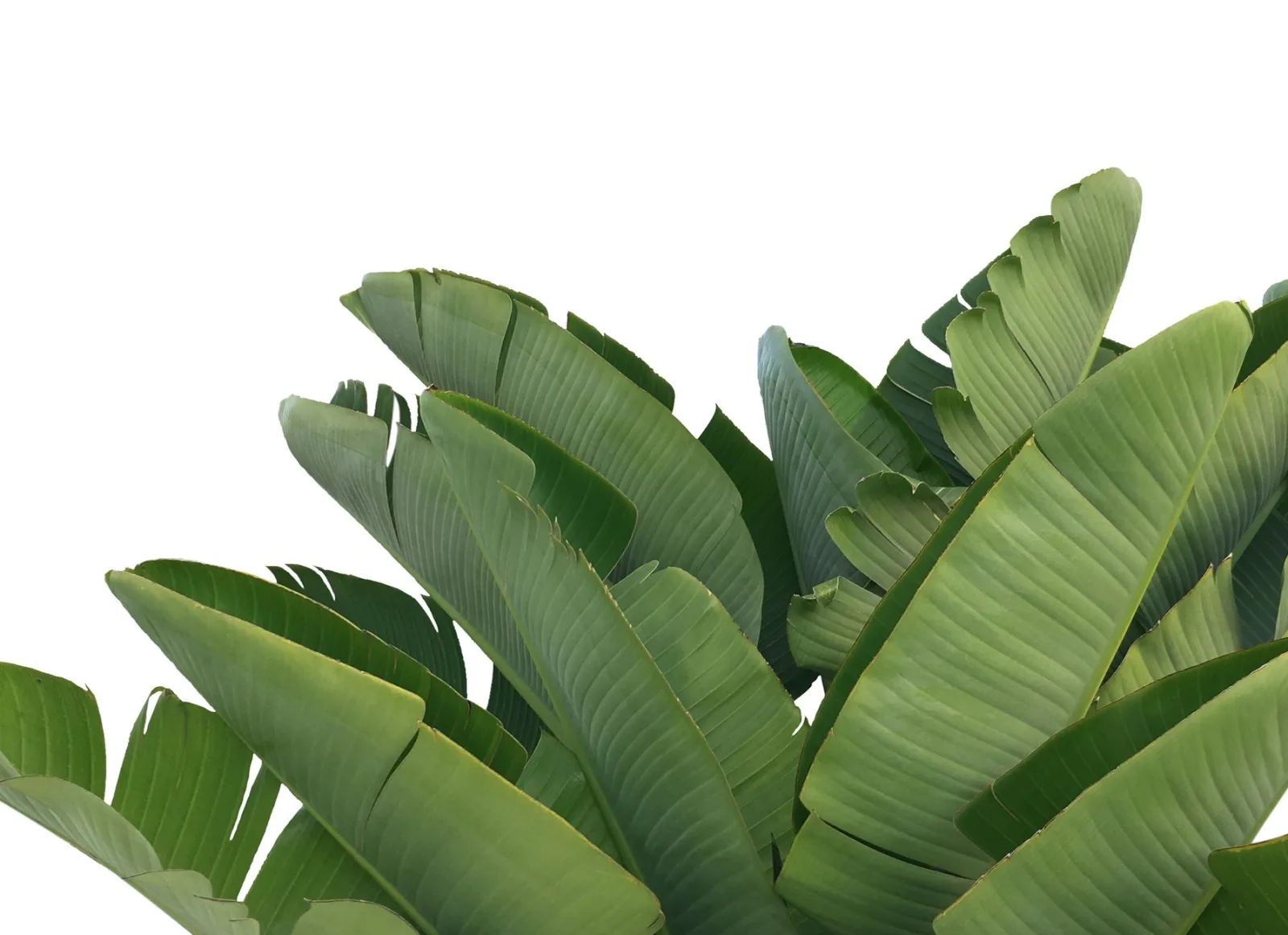
White Bird of Paradise plants are easy to propagate by division in April and May. Separate a small shoot with at least 3 leaves from the mother plant using a sharp knife, ideally while repotting. Ensure the shoot has intact root tissue attached, as stem or leaf cuttings alone won’t work—Bird of Paradise stems can’t produce roots without root tissue or rhizome attached.
Growing from Seed
Seeds have a very thick coating and need preparation before sowing. Soak seeds in water for 24–48 hours and nick the seed coat with a sharp knife to encourage germination. However, expect a long wait: Strelitzia species started from seed usually take three to five years to bloom, with slow cases taking up to a decade. Division is much faster if you want to see results sooner.
Common Problems and Solutions
Brown leaf edges suggest dry air and underwatering. Increase humidity by misting daily, and ensure you’re watering frequently enough during the growing season.
Leaves turning brown and curling inward often indicate overexposure to light and dehydration. Move the plant slightly back from intense light and increase watering when the top 2 inches of soil dry out.
Yellow leaves in the center occur when water-soluble nutrients like nitrogen are washed out of the soil, starving the plant. This is often caused by mineral buildup from fertilizer or tap water. Flush the soil or switch to distilled water for watering.
Overwatered plants develop brown leaves that split, curl, and turn brown on the edges. Let the soil dry out more between waterings and ensure the pot has drainage holes.
Curling leaves usually point to underwatering or dry air. Check that you’re watering adequately and misting daily if humidity is below 60%.
Slow growth with brown leaf tips indicates growing conditions aren’t ideal. Ensure there is high humidity, mist daily if needed, and feed and water plants regularly during the growing season.
Pet Safety
Bird of Paradise is toxic to both cats and dogs. All parts of the plant—including leaves, stems, flowers, and especially the seeds—contain cyanogenic glycosides and tannins. Seeds and flowers carry higher concentrations of toxic compounds than leaves and stems.
In cats, ingestion can cause vomiting, drooling, lethargy, loss of appetite, and in severe cases, difficulty breathing or tremors. In dogs, ingestion causes vomiting, drooling, diarrhoea, and lethargy. Keep this plant out of reach of pets and seek veterinary advice immediately if ingestion is suspected.
FAQ
How often should I water Bird of Paradise?
Water every 7–10 days during the growing season when the top 2 inches of soil feel dry, and extend watering to every 14–21 days in winter.
Can I grow Bird of Paradise outdoors in the UK?
You can grow it outdoors in summer, but move it inside before temperatures drop below 12°C, as these tender plants won’t survive a British winter.
How do I propagate Bird of Paradise?
Propagate by dividing rooted shoots in April and May, ensuring each division has at least 3 leaves and attached root tissue. Stem cuttings alone won’t work because they can’t root without intact root tissue.
What humidity does Bird of Paradise need?
The plant thrives in 60–70% humidity. If your home is drier, mist the leaves daily.
How large does Bird of Paradise grow?
In the UK, Strelitzia nicolai typically reaches a maximum height and spread of 1.5–2.5 metres.
Is Bird of Paradise toxic to pets?
Yes, it is toxic to both cats and dogs. All parts of the plant are toxic, with seeds and flowers containing higher concentrations of harmful compounds.
More about Bird of Paradise
Sources
- Strelitzia nicolai: care, propagation & more – Plantura
- Strelitzia nicolai
- Strelitzia Nicolai Plant Care: Complete Guide
Photo: Anna Pyshniuk / Pexels, Pexels