Bird of Paradise Strelitzia nicolai
How Often Should You Water Bird of Paradise
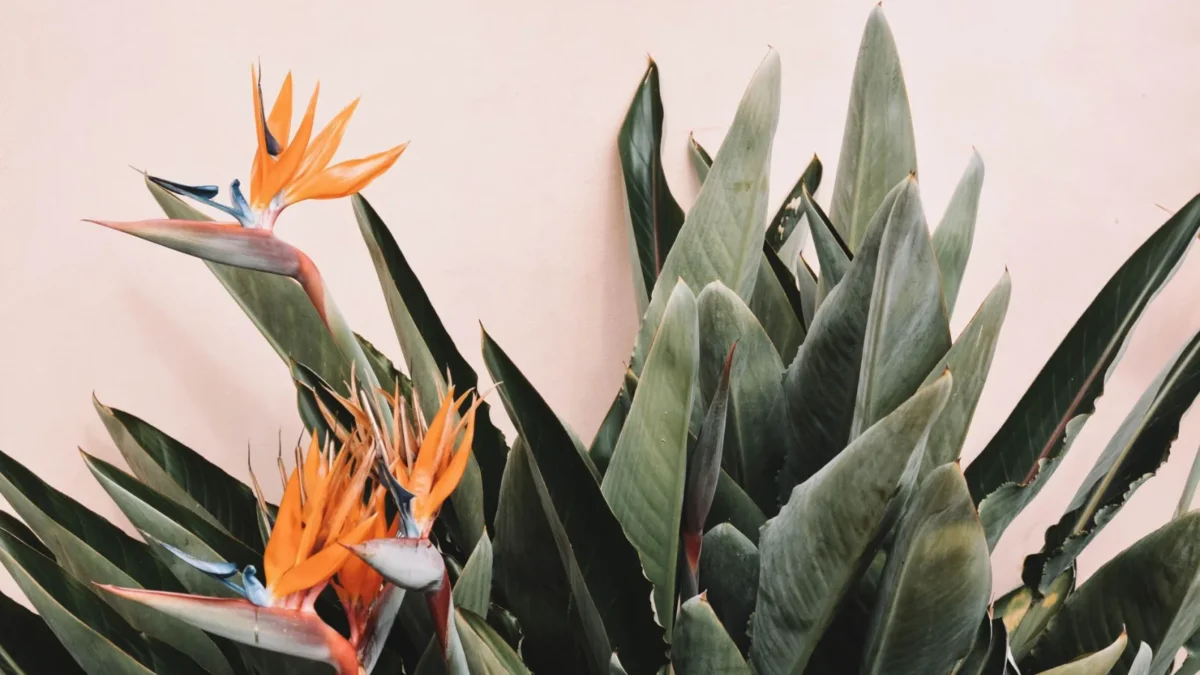
Quick answer: How often? Water your Bird of Paradise every 7–10 days during the growing season by checking the top 2 inches of soil—water when it feels dry. In winter, extend this to every 14–21 days as the plant slows down. The key is letting the soil dry slightly between waterings and ensuring water drains away freely to prevent root rot.
| Botanical name | Strelitzia nicolai |
|---|---|
| Light | Full light with shade from hot sun; avoid direct afternoon sun |
| Watering | Water when top 2 inches of soil feel dry; water freely during growth, sparingly in winter |
| Humidity | 60-70% humidity; mist daily if humidity is low |
| Temperature | 18-27°C in summer; above 10°C in winter |
| Soil | Peat-free, loam-based compost with coir, pine bark, and perlite for drainage |
| Feeding | Balanced liquid fertilizer monthly during growth; do not feed in winter |
| Size | 1.5-2.5 metres height and spread |
| Difficulty | easy |
Understanding the Watering Rhythm
Bird of Paradise plants need consistent moisture during active growth but hate sitting in waterlogged soil. The soil should feel moist but not soggy; always allow it to dry out a little before watering again.
During the warmer months when your plant is actively growing, water freely to support new leaves and vigorous stems. This typically means watering thoroughly every 7–10 days, giving the pot a good soak until water runs from the drainage holes. Always empty any standing water from the saucer beneath—the plant doesn’t tolerate wet feet.
Summer Watering for Bird of Paradise Indoor Plants
In summer, when temperatures sit between 18–27°C, your Bird of Paradise will grow rapidly and demand regular hydration. Water freely during this period, checking the soil often. The warm conditions dry out compost faster, so you may need to water every 7–10 days or even more frequently if your home is very warm or the pot is small.
The best test is simple: stick your finger into the compost to the second knuckle. If it feels dry at that depth, it’s time to water. This method is more reliable than watering by calendar alone, since factors like pot size, compost type, and room temperature all affect drying speed.
Winter Watering Schedule
When winter arrives and temperatures drop below 12°C (or if you’ve moved your plant indoors in the UK), growth nearly stops. Water sparingly during this dormant phase, extending watering intervals to every 14–21 days. Your plant needs less water because it’s using less energy.
Even in winter, don’t let the compost dry out completely—just reduce frequency and volume. Allow the top inch or two to dry between waterings, then give a moderate drink. This period of reduced watering also pairs with lower feeding; skip fertiliser entirely in winter to match the plant’s rest cycle.
Signs Your Watering Routine Needs Adjusting
If leaf edges turn brown, the plant is likely too dry or the air is too humid-deprived. Brown edges combined with curling leaves usually signal underwatering or low humidity, so increase both watering frequency and misting.
Overwatering shows different symptoms: leaves may split, curl inward, and turn brown at the edges. If this happens, allow longer drying time between waterings and check that drainage holes are clear.
FAQ
How often should I water Bird of Paradise in a pot?
Water every 7–10 days in summer and every 14–21 days in winter, using the touch test on the top 2 inches of soil to decide.
Can Bird of Paradise tolerate outdoor watering in summer?
If grown outdoors during warm months, the same rule applies: water every 7–10 days when the soil feels dry. However, in the UK, always move the plant indoors before temperatures drop below 12°C, as it cannot survive a British winter outdoors.
Read the full guide: Bird of Paradise Care: The Complete Guide
More about Bird of Paradise
The same problem in other plants
- How Often Should You Water Dieffenbachia?
- How Often to Water String of Pearls
- How Often Should You Water Chinese Evergreen?
- How Often Should You Water a Boston Fern?
Sources
- Strelitzia nicolai: care, propagation & more – Plantura
- Strelitzia nicolai
- Strelitzia Nicolai Plant Care: Complete Guide
Photo: Content Pixie / Pexels, Pexels