Bird of Paradise Strelitzia nicolai
Is Bird of Paradise Toxic to Cats and Dogs?
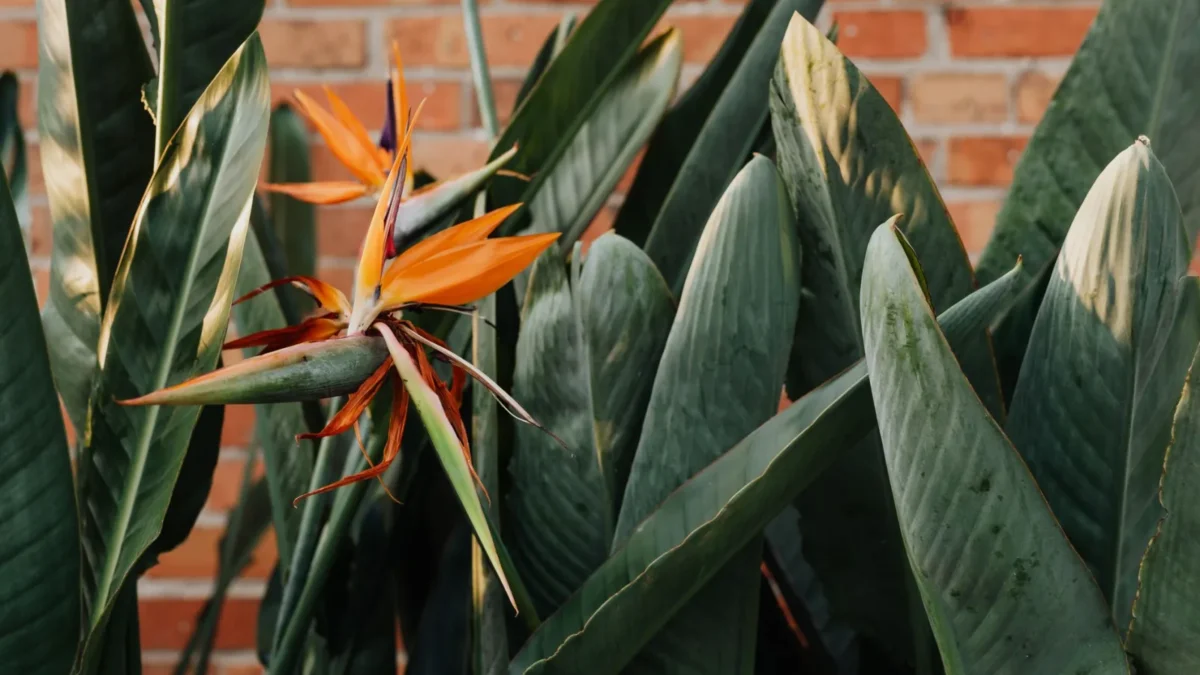
Quick answer: Yes, Bird of Paradise (Strelitzia nicolai) is toxic to both cats and dogs. All parts of the plant—leaves, stems, flowers, and seeds—contain compounds that can cause vomiting, drooling, lethargy, and loss of appetite.
| Botanical name | Strelitzia nicolai |
|---|---|
| Light | Full light with shade from hot sun; avoid direct afternoon sun |
| Watering | Water when top 2 inches of soil feel dry; water freely during growth, sparingly in winter |
| Humidity | 60-70% humidity; mist daily if humidity is low |
| Temperature | 18-27°C in summer; above 10°C in winter |
| Soil | Peat-free, loam-based compost with coir, pine bark, and perlite for drainage |
| Feeding | Balanced liquid fertilizer monthly during growth; do not feed in winter |
| Size | 1.5-2.5 metres height and spread |
| Difficulty | easy |
Toxicity to Cats
Bird of Paradise is toxic to cats. All parts of the plant contain cyanogenic glycosides and tannins that disrupt cellular respiration and irritate the gastrointestinal tract. If your cat chews or ingests any part of this plant, watch for vomiting, drooling, lethargy, loss of appetite, and in severe cases, difficulty breathing or tremors.
Toxicity to Dogs
Bird of Paradise is also toxic to dogs. Ingestion causes vomiting, drooling, diarrhoea, and lethargy. The seeds and flowers carry higher concentrations of toxic compounds than leaves and stems, so they pose a greater risk.
What to Do If Your Pet Eats Bird of Paradise
If you suspect your cat or dog has chewed or swallowed any part of your Bird of Paradise plant, contact your veterinarian or the ASPCA Animal Poison Control Center immediately. Keep the plant out of reach of curious pets by placing it on a high shelf or in a room they cannot access. If you have multiple plants, consider removing them altogether to eliminate the risk entirely.
Read the full guide: Bird of Paradise Care: The Complete Guide
More about Bird of Paradise
The same problem in other plants
- Is Chinese Evergreen Toxic to Cats and Dogs?
- Is String of Pearls Toxic to Cats and Dogs?
- Is Money Tree Toxic to Cats and Dogs?
- Is Boston Fern Toxic to Cats and Dogs?
Sources
- Are White Birds of Paradise Toxic to Cats? Yes — Here’s What to Do
- Is White Bird of Paradise Toxic to Cats & Dogs?
- Are Bird Of Paradises Pet Friendly?
Photo: https://kaboompics.com/ / Pexels, Pexels