Bird of Paradise Strelitzia nicolai
Why Are My Bird of Paradise Leaves Curling?
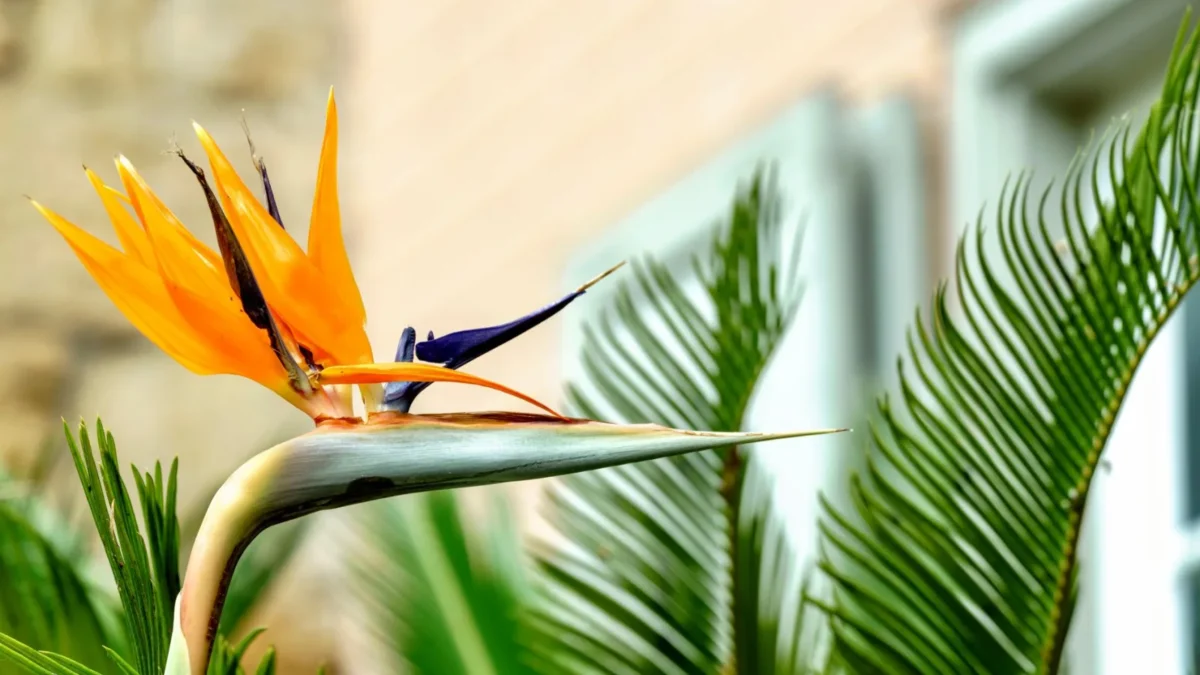
Quick answer: Bird of paradise leaves curl inward due to underwatering, dry air, temperature fluctuations, or insufficient light. The good news is that your plant is easy to care for, and curling leaves respond quickly once you identify and fix the cause.
| Botanical name | Strelitzia nicolai |
|---|---|
| Light | Full light with shade from hot sun; avoid direct afternoon sun |
| Watering | Water when top 2 inches of soil feel dry; water freely during growth, sparingly in winter |
| Humidity | 60-70% humidity; mist daily if humidity is low |
| Temperature | 18-27°C in summer; above 10°C in winter |
| Soil | Peat-free, loam-based compost with coir, pine bark, and perlite for drainage |
| Feeding | Balanced liquid fertilizer monthly during growth; do not feed in winter |
| Size | 1.5-2.5 metres height and spread |
| Difficulty | easy |
| What you see | Likely cause | What to do |
|---|---|---|
| Leaves curling inward | Underwatering or low humidity | Water when top 2 inches of soil feel dry; increase humidity to 60–70% by misting daily |
| Leaves curling and turning brown | Overwatering | Let soil dry between waterings; ensure pot has drainage |
| Leaves curling inward with brown edges | Temperature stress or sudden changes | Keep temperatures between 18–27°C in summer; stay above 10°C in winter; avoid moving the plant frequently |
| Leaves curling with pale, weak growth | Insufficient light | Move to bright indirect light with shade from hot afternoon sun; avoid direct afternoon rays |
| Leaves curling with brown or black patches | Mineral or salt buildup | Switch to filtered water; check fertiliser application |
Why leaves curl inward from underwatering and low humidity
Curling leaves typically signal that your plant isn’t getting enough water or humidity. Bird of paradise leaves curl up in low humidity, and the plant thrives on warmth and humidity. Your target is humidity around 60–70%. If your home is drier, mist the leaves daily.
For watering, check the top 2 inches of soil—if it feels dry, water thoroughly. During the growing season, water freely, roughly every 7–10 days with a thorough soak. In winter, water sparingly and extend the interval to every 14–21 days. The key is allowing water to drain completely; the plant dislikes sitting in standing water.
How temperature swings and light stress cause curling
Frequent or sudden temperature changes trigger leaf curling. Keep your bird of paradise between 18–27°C in summer and above 10°C in winter. Avoid moving it between hot and cold spots, and stay clear of drafts.
Light also matters. Your plant needs full light with shade from hot sun—direct afternoon rays cause leaf burn, while poor light leads to weak, leggy growth. Position it where it receives bright, indirect light, especially away from scorching afternoon sun.
Overwatering and salt buildup
Too much water causes leaves to curl, split, and turn brown at the edges. Overwatering prevents the soil from drying out, drowning the roots. Always wait until the top 2 inches of soil feel dry before watering again.
If leaves curl with brown or black patches, mineral salts from fertiliser or tap water may be building up. Use filtered water when possible, and apply a balanced liquid fertiliser only monthly during growth. Do not feed in winter.
Preventing leaf curling long-term
Stick to a consistent routine: water when the soil surface dries, maintain humidity around 60–70% by misting, keep temperatures stable between 18–27°C, and provide bright indirect light. During the growing season, water freely and feed monthly; in winter, water sparingly and stop fertilising. Use peat-free, loam-based compost with coir, pine bark, and perlite for drainage to support healthy roots. Your bird of paradise will reward you with flat, vibrant leaves and eventually spectacular blooms.
Read the full guide: Bird of Paradise Care: The Complete Guide
More about Bird of Paradise
The same problem in other plants
- Why Are My Philodendron Birkin Leaves Curling?
- Why Are My Hoya Kerrii Leaves Curling?
- Why Are My Prayer Plant Leaves Curling? Causes and Fixes
- Why Are My Money Tree Leaves Curling?
Sources
- Strelitzia nicolai
- Strelitzia nicolai: care, propagation & more – Plantura
- Strelitzia Nicolai Plant Care: Complete Guide
Photo: Susanne Jutzeler, suju-foto / Pexels, Pexels