Dieffenbachia Dieffenbachia seguine
Dieffenbachia Care: The Complete Guide to Growing Healthy Plants Indoors
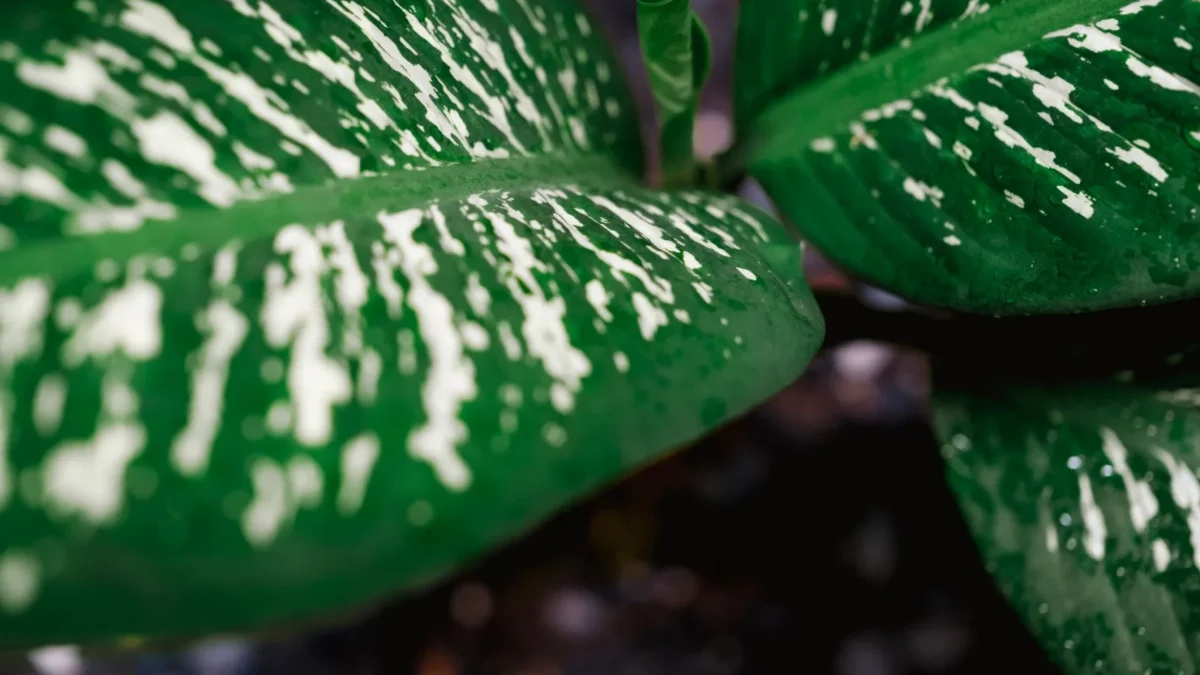
Dieffenbachia care is straightforward, making this tropical plant ideal for beginners and experienced houseplant lovers alike. This guide covers everything you need to know about keeping your Dieffenbachia healthy and vibrant indoors, from the moment you bring it home to managing mature plants that can reach 3–5 feet tall.
| Botanical name | Dieffenbachia seguine |
|---|---|
| Light | Bright indirect light; avoid direct sun; tolerates lower light but may become leggy |
| Watering | Water when top 2 inches of soil feel dry; typically every 7-10 days; reduce watering in fall/winter |
| Humidity | Thrives in 50-65% humidity; use pebble trays or misting to increase |
| Temperature | 65-75°F (18-24°C) preferred; tolerate 65-80°F; avoid prolonged cold below 55°F |
| Soil | Well-draining, slightly acidic (pH 6.1-6.5); blend of peat moss, perlite, and potting soil |
| Feeding | Balanced liquid fertilizer every 4-6 weeks during spring/summer at half strength; skip fall/winter |
| Size | 3-5 feet tall indoors |
| Difficulty | easy |
| Cats | ⚠️ toxic — Calcium oxalates cause mouth/throat burning, drooling, vomiting |
| Dogs | ⚠️ toxic — Calcium oxalates cause mouth/throat burning, drooling, vomiting |
Key points:
– Provide bright, indirect light and protect from direct sun to prevent leaf damage
– Water when the top 2 inches of soil feel dry—typically every 7–10 days
– Maintain humidity between 50–65% using pebble trays or misting
– Use well-draining, slightly acidic soil with a pH of 6.1–6.5
– Feed with balanced fertilizer every 4–6 weeks during spring and summer at half strength
– This plant is toxic to cats and dogs; keep it out of reach of pets
Light Requirements for Dieffenbachia
Dieffenbachia thrives in bright, indirect light. This means placing it near a window where it receives plenty of illumination without direct sun exposure. Avoid placing it in direct sun, which can scorch its broad leaves.
If your home lacks bright light, your Dieffenbachia can tolerate lower light conditions, but may become leggy or lose variegation if light is too limited. The plant won’t thrive in a dark corner, but it can manage in moderately lit spaces if you adjust other care accordingly.
Watering Your Dieffenbachia
Proper watering is essential for healthy Dieffenbachia care indoors. Water thoroughly when the top 2 inches of soil feel dry—typically every 7–10 days. The key is checking your soil before watering rather than following a fixed schedule.
How to check soil moisture
Stick your finger about an inch into the soil. When it feels dry at that depth, it’s time to water. Water thoroughly until water drains from the bottom of the pot; this matters because it flushes out salts and ensures the roots get moisture all the way down.
Watering frequency by season
During the growing season (spring and summer), water more frequently. In fall and winter, when growth slows, reduce watering frequency but don’t allow the soil to dry out completely.
For larger plants, you’ll typically water about twice per week during the growing season; reduce watering frequency in winter when your Dieffenbachia grows more slowly.
Preventing root rot
Never let your plant sit in standing water, as this causes root rot. Always use pots with drainage holes; this single feature prevents water from pooling at the bottom and damaging your roots.
Humidity and Temperature
Humidity
Dieffenbachia thrives in humidity levels of 50–65%. It prefers relatively high humidity but also tolerates some dryness; a pot may be placed on a bed of wet pebbles to increase humidity.
You can also group plants together, use a humidifier, or mist the leaves regularly. Consistent humidity helps prevent leaf yellowing and dropping.
Temperature
Dieffenbachia enjoys warm temperatures between 65°F to 75°F (18°C to 24°C). Dieffenbachias tolerate brief dips to 60°F, but prolonged exposure below 55°F slows metabolism, inhibits root function, and predisposes to bacterial soft rot. Keep the plant away from cold drafts and heating vents to prevent stress.
Soil and Repotting
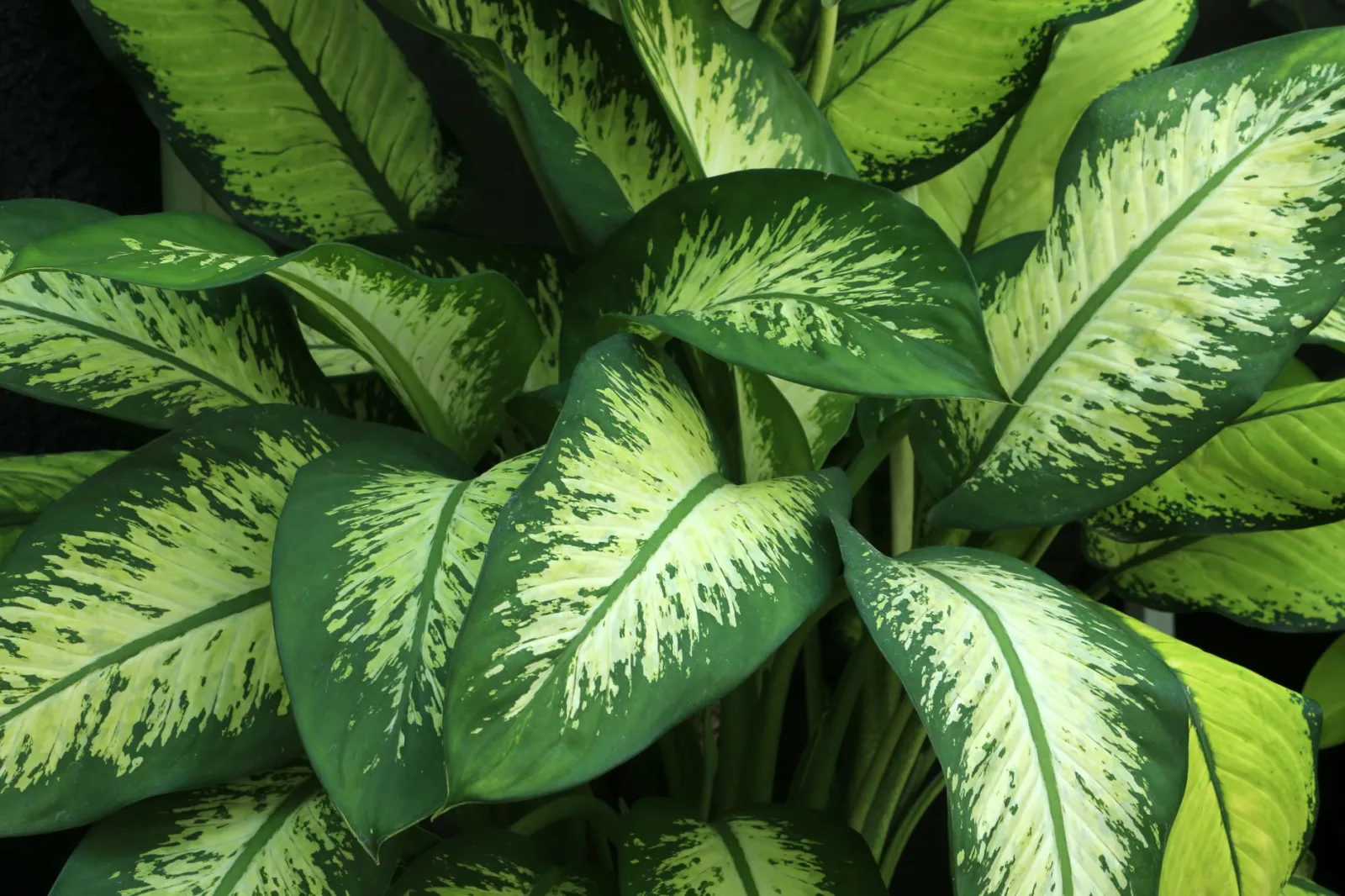
Dieffenbachia thrives in well-draining, rich, and slightly acidic soil with a pH range of 6.1 to 6.5. A good potting mix for Dieffenbachia should contain a blend of peat moss, perlite, and regular potting soil to ensure adequate drainage and aeration.
Repot your Dieffenbachia when it becomes root bound—a common issue with this plant. When plants have extensive root development and remain in a too-small pot, leaves may yellow, droop, and drop. Move to a slightly larger container in spring when growth resumes.
Feeding and Fertilizer
Feed your Dieffenbachia every 4–6 weeks during the growing season (spring and summer) with a balanced liquid fertilizer diluted to half the recommended strength. This prevents fertilizer burn and provides steady nutrition without overwhelming the plant.
Hold off on fertilizing in fall and winter when growth naturally slows. A plant that has not been repotted for years and left without fertilizer will eventually display signs of nutrient deficiency and yellowing leaves.
Pruning and Maintenance
No formal pruning is required to keep your Dieffenbachia healthy. However, Dieffenbachia’s lower leaves may droop and turn yellow as part of the normal growth pattern; when this happens, simply remove the drooping leaves by pinching or cutting them off. Tropical plants naturally shed their leaves after they turn yellow; expect the plant to lose the lower and oldest leaves during this period.
Propagating Dieffenbachia
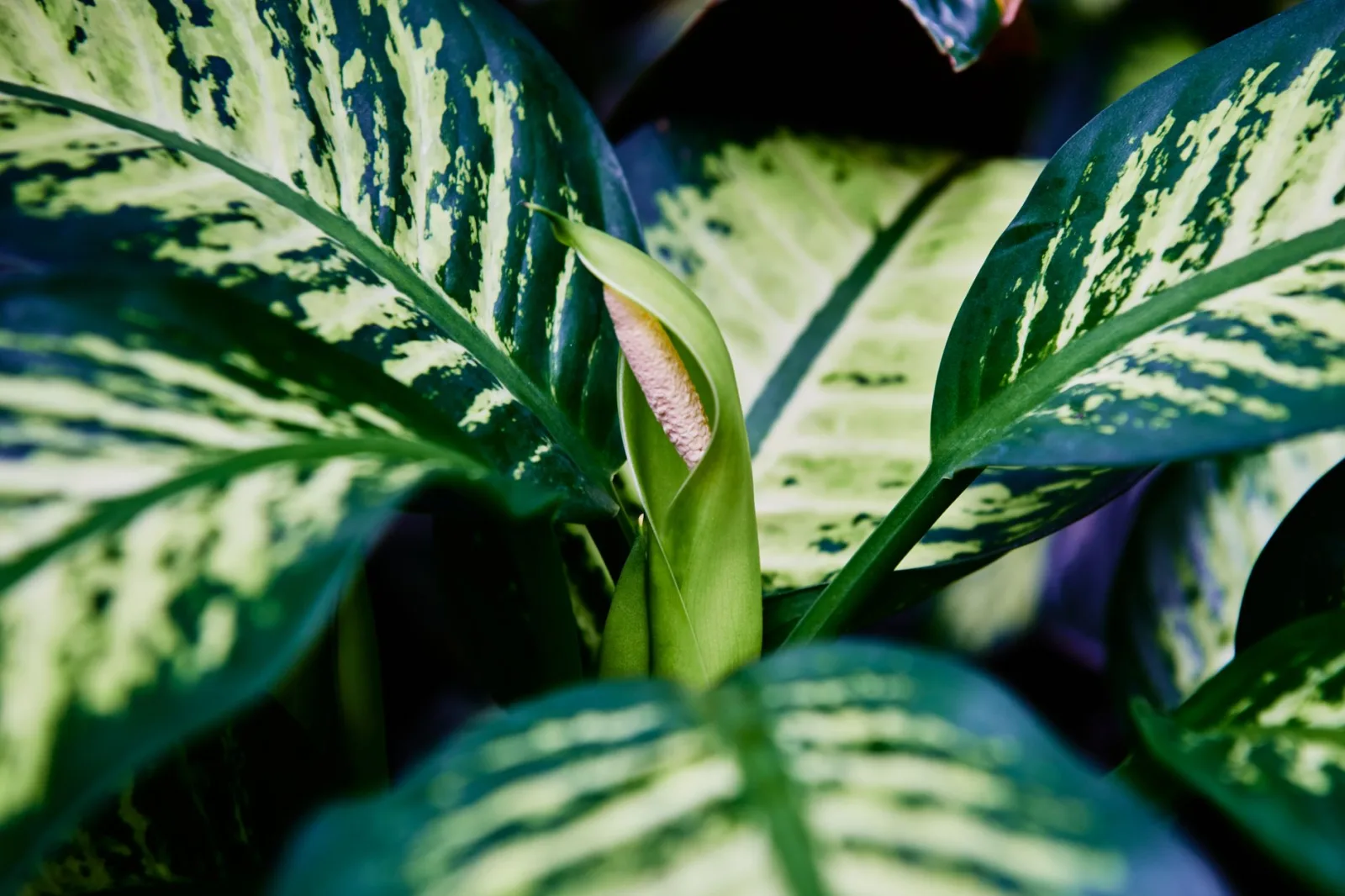
Dieffenbachia is one of the easier houseplants to propagate; the stems root readily in water or soil, cuttings are not fussy, and even a bare stem that looks past saving can produce new plants.
Water propagation method
To propagate dieffenbachia quickly, stem cuttings are the best choice. Cut 4–6 inches long stem sections and remove the leaves.
Allow the cut end to callous for 20–30 minutes on a clean surface before placing in water; this reduces the rot risk significantly. Place the cutting in a clean glass with enough water to submerge the node but keep the remaining leaves clear; put it somewhere with bright indirect light and change the water every three to four days to prevent bacterial buildup.
Roots usually appear within two to four weeks. Move the cutting to soil when roots are approximately 1 inch long—no longer. Roots that develop in water are structurally adapted to that aquatic environment, and the longer they grow in water, the more specialised they become; at 1 inch they’re long enough to anchor in potting mix but not yet so adapted to water that soil is a shock, but if you wait until they reach 3–4 inches, failure rates increase sharply.
Soil propagation method
Remove the leaves and leave the cutting overnight; next, dip in a high-quality rooting medium. Prepare a flower pot with potting soil amended with perlite or sand and moisten the mix thoroughly.
Place the dieffenbachia cuttings horizontally into the potting mix, with the bottom portion inserted into the soil and the leaf bud above the soil; keep the potting mix in a warm location at around 75°F (24°C) and water often for optimal root growth. You can also cover the plant cutting with a plastic sandwich bag to keep the soil moist and humidity levels constant; keep watering the plant whenever the soil looks dry.
The stem cuttings will take 4 to 8 weeks to root; at this point, you can transplant the cane sections into a 4-inch pot, filled with a good potting mix.
You can’t propagate a dieffenbachia plant using just a leaf; you’re going to have to take a stem cutting to get the desired results.
Common Problems and Solutions
Yellow leaves
Overwatering is the most common cause of yellow leaves on your dieffenbachia, causing progressive, generalised yellowing of the foliage. If you’re watering too frequently or the soil isn’t draining well, the roots can become waterlogged, leading to root rot, which prevents your plant from absorbing essential nutrients, causing the leaves to yellow. Allow the top few inches of soil to dry out between waterings.
Underwatering can also cause your Dieffenbachia to develop yellow leaves; if the plant isn’t receiving enough moisture, it may begin to shed its older leaves to conserve water, leading to yellowing.
Dieffenbachia plants need bright, indirect light to thrive; when they don’t get enough light, their leaves may turn yellow because the plant can’t make enough food through photosynthesis, and without enough energy, the leaves start to lose their green color. Too much direct sunlight can burn the leaves, causing yellowing.
Low room temperatures may also cause yellowing leaves; Dieffenbachia prefers warmer temperatures year-round and should be kept at 65–75 degrees F during the daytime and no colder than 60°F at night.
Low humidity is another reason why Dieffenbachia can get yellowing leaves and start to drop those leaves. Nitrogen deficiency is a common cause of yellowing leaves, with the plant’s older leaves turning yellow first, starting from the bottom, and the veins might stay green while the rest of the leaf turns pale.
Most municipal water supplies contain fluoride and chlorine, and fluoride accumulates in dieffenbachia tissues, causing tip burn and marginal necrosis.
Pest infestations
Dieffenbachia can be affected by most of the common houseplant bugs, including mealy bugs, scale and spider mites. Pests, such as mealybugs and scale insects, can also cause yellowing of leaves because these pests suck the chlorophyll out of the leaf, causing it to yellow. Signs of a severe infestation include webbing in the crotches of the stems and foliage (spider mites), wooly white coating on stems or leaf petioles (mealybugs and scale insects), or extensive yellowing of leaves or stunted new growth; the plant may not recover at this stage.
Is Dieffenbachia Safe for Pets?
Why Dieffenbachia is toxic
Dieffenbachia is toxic to both cats and dogs. The name dumb cane refers to the toxic qualities of this plant—the sap burns the mouth and throat causing numbness and possible paralysis of the vocal cords; sap can also irritate human skin and eyes.
Symptoms of poisoning
Dieffenbachia contains insoluble calcium oxalates causing immediate oral irritation, drooling, lip licking, and sometimes vomiting; symptoms usually appear within minutes to hours after ingestion. In addition to mouth irritation, dieffenbachia poisoning in animals might also include scratching at the face, restlessness, drooling, difficulty eating, loss of appetite, and unconsciousness.
Risk to different pets
Since dogs and cats are most likely to be random chewers, the toxicity of the plant can be more severe, and there have been reported instances of death with dogs, cats, rabbits, and pet birds. If you have young puppies or kittens, dieffenbachia is probably not a good plant to grow indoors since they love to chew on anything nearby.
If your cat or dog has ingested dieffenbachia, contact your veterinarian or pet poison control immediately.
FAQ
How often should I water my Dieffenbachia?
Water when the top 2 inches of soil feel dry—typically every 7–10 days. On average, once per week or once every two weeks is the right frequency; always check the soil moisture before watering rather than sticking to a strict schedule.
Can Dieffenbachia tolerate low light?
Yes, it can tolerate lower light conditions, but may become leggy or lose variegation if light is too limited. Bright, indirect light is ideal for maintaining its appearance and vigor.
What humidity level does Dieffenbachia need?
Dieffenbachia thrives in humidity levels of 50–65%. You can increase humidity by placing the pot on a bed of wet pebbles, misting the leaves, or grouping plants together.
How do I propagate Dieffenbachia from a leaf?
You can’t propagate a dieffenbachia plant using just a leaf; you’re going to have to take a stem cutting to get the desired results. Stem cuttings root readily in water or soil and are much more reliable than leaf propagation.
Is Dieffenbachia toxic to pets?
Yes, Dieffenbachia is toxic to both cats and dogs due to insoluble calcium oxalates and proteolytic enzymes. Clinical signs of poisoning include oral irritation, intense burning and irritation of mouth, tongue and lips, excessive drooling, vomiting, and difficulty swallowing. If your pet ingests any part of this plant, contact your veterinarian or pet poison control immediately.
What temperature range does Dieffenbachia prefer?
Dieffenbachia enjoys warm temperatures between 65°F to 75°F (18°C to 24°C). It can tolerate temperatures between 65°F and 80°F, but avoid prolonged exposure below 55°F, which slows metabolism and predisposes the plant to bacterial soft rot.
More about Dieffenbachia
Sources
- A Complete Guide to Dieffenbachia Plant Care – Moonlight Yard
- Dieffenbachia Care Guide: Easy Dumb Cane Tips by Léon & George
- Toxic and Non-toxic Plants: Dieffenbachia
Photo: Ayyeee Ayyeee / Pexels, Pexels