Dieffenbachia Dieffenbachia seguine
Why Are My Dieffenbachia Leaves Turning Yellow?
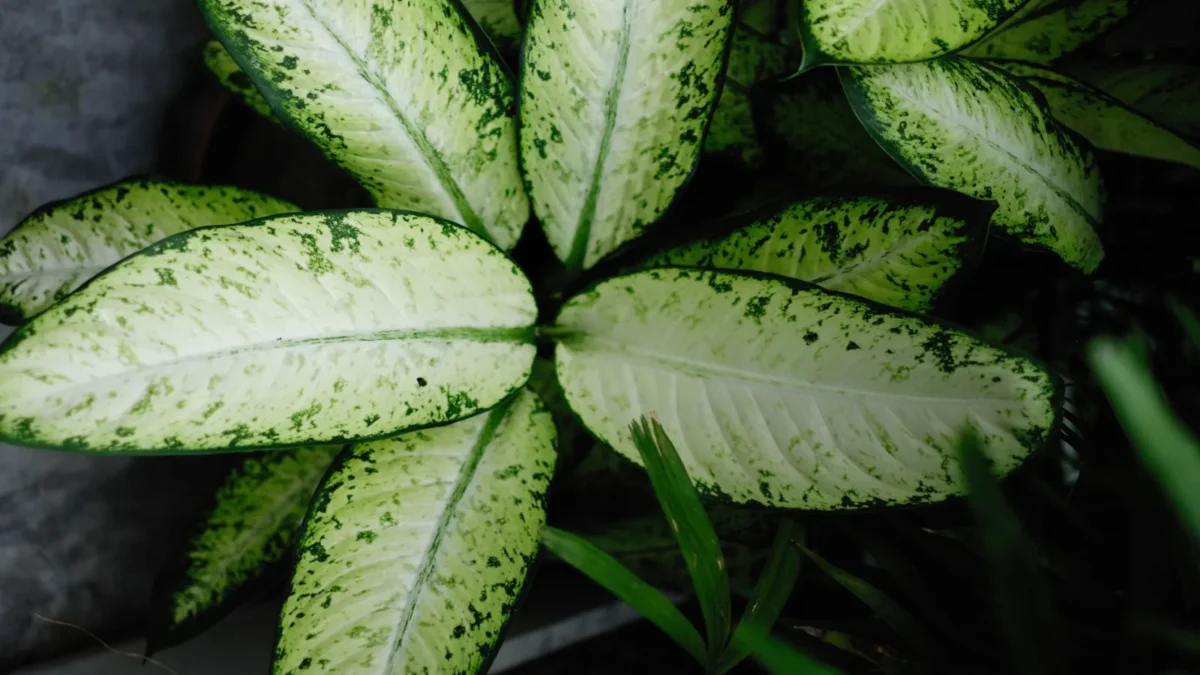
Quick answer: Why are my Dieffenbachia leaves turning yellow? Most often it’s overwatering, which leads to root rot and prevents nutrient absorption. However, insufficient light, low humidity, cold temperatures, pests, or nutrient deficiency can also turn your dieffenbachia leaves yellow. Once you identify which issue is affecting your plant, you can fix it and restore healthy growth.
| Botanical name | Dieffenbachia seguine |
|---|---|
| Light | Bright indirect light; avoid direct sun; tolerates lower light but may become leggy |
| Watering | Water when top 2 inches of soil feel dry; typically every 7-10 days; reduce watering in fall/winter |
| Humidity | Thrives in 50-65% humidity; use pebble trays or misting to increase |
| Temperature | 65-75°F (18-24°C) preferred; tolerate 65-80°F; avoid prolonged cold below 55°F |
| Soil | Well-draining, slightly acidic (pH 6.1-6.5); blend of peat moss, perlite, and potting soil |
| Feeding | Balanced liquid fertilizer every 4-6 weeks during spring/summer at half strength; skip fall/winter |
| Size | 3-5 feet tall indoors |
| Difficulty | easy |
| Cats | ⚠️ toxic — Calcium oxalates cause mouth/throat burning, drooling, vomiting |
| Dogs | ⚠️ toxic — Calcium oxalates cause mouth/throat burning, drooling, vomiting |
| What you see | Likely cause | What to do |
|---|---|---|
| Yellowing throughout the plant; soggy soil | Overwatering | Let soil dry between waterings; check top 2 inches before watering |
| Older leaves yellow first, starting from bottom | Nutrient deficiency (nitrogen) | Feed every 4–6 weeks during spring and summer with diluted balanced fertilizer |
| Yellowing with visible webbing or white coating | Pests (spider mites, mealybugs) | Inspect stems and leaves; isolate plant and treat appropriately |
| Pale, yellowing leaves; slow growth | Insufficient light | Move to bright, indirect light location |
| Yellow leaves with dry, papery edges | Low humidity | Increase humidity to 50–65% using pebble trays or misting |
| Lower leaves turning yellow and dropping | Natural aging | Remove yellowed leaves; this is normal for mature plants |
Overwatering: The Most Common Cause
Overwatering is the leading reason why dieffenbachia leaves turn yellow. When you water too frequently or use soil that drains poorly, roots sit in moisture and begin to rot. Root rot prevents your plant from absorbing water and nutrients, causing leaves throughout the plant to yellow progressively.
To fix overwatering, allow the top few inches of soil to dry out between waterings. Water only when the top 2 inches feel dry—typically every 7–10 days. Always use a pot with drainage holes and water thoroughly until it drains from the bottom; this flushes salts and ensures moisture reaches all roots. Never let your plant sit in standing water.
Light, Temperature, and Humidity Issues
Yellow dieffenbachia leaves can also signal that your plant isn’t getting enough light. Without sufficient bright, indirect light, your plant can’t produce enough food through photosynthesis, and leaves lose their green color. Move your plant to a brighter location, but avoid direct sun, which can burn the leaves.
Cold temperatures and low humidity also cause yellowing. Keep your dieffenbachia between 65–75°F; prolonged exposure below 55°F slows root function and predisposes the plant to rot. Low humidity causes yellowing and leaf drop, so maintain humidity levels of 50–65% using pebble trays or misting.
Nutrient Deficiency and Pests
If your plant hasn’t been repotted or fertilized for years, nutrient deficiency—especially nitrogen—can cause yellowing. Nitrogen deficiency typically yellows older leaves first, starting from the bottom, while veins may stay green. Feed your dieffenbachia every 4–6 weeks during spring and summer with a balanced liquid fertilizer at half strength. Skip fertilizing in fall and winter.
Pests such as mealybugs, scale insects, and spider mites also cause yellowing by feeding on your plant and removing chlorophyll from leaves. Look for visible webbing, white cottony patches, or sticky residue. Isolate the plant and treat promptly to prevent spread.
Prevention
Check soil moisture before watering rather than following a fixed schedule. Use well-draining potting soil with peat moss, perlite, and regular potting soil to prevent waterlogging. Provide bright, indirect light and maintain temperatures between 65–75°F with 50–65% humidity. Lower leaves naturally yellow and drop over time—simply remove them as they appear.
Read the full guide: Dieffenbachia Care: The Complete Guide
More about Dieffenbachia
The same problem in other plants
- Why Are My African Violet Leaves Turning Yellow?
- Why Are My Christmas Cactus Leaves Turning Red or Purple?
- Why Are My Parlor Palm Leaves Turning Yellow?
- Why Are My Chinese Evergreen Leaves Turning Yellow?
Sources
- Dieffenbachia Care Guide: Easy Dumb Cane Tips by Léon & George
- A Complete Guide to Dieffenbachia Plant Care – Moonlight Yard
- Dieffenbachia (Dumb Cane): All You Need To Know
Photo: Alexey Demidov / Pexels, Pexels