Dieffenbachia Dieffenbachia seguine
Is Dieffenbachia Toxic to Cats and Dogs?
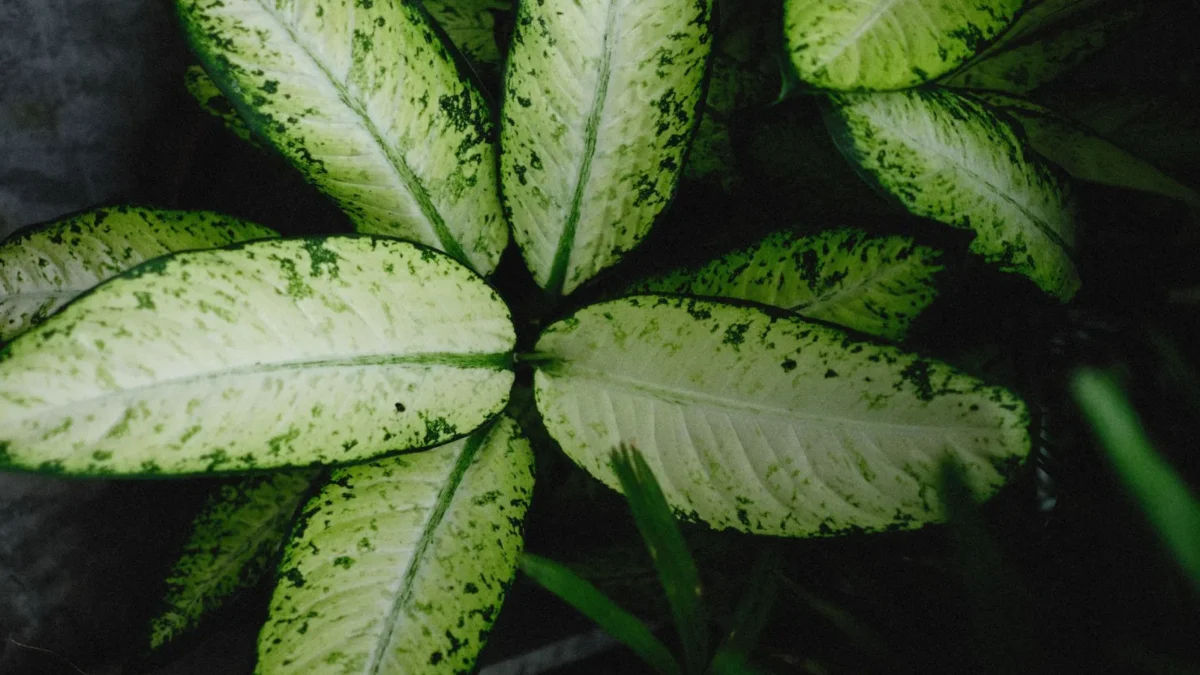
Quick answer: Yes, dieffenbachia is toxic to both cats and dogs. The plant contains insoluble calcium oxalates and proteolytic enzymes that cause immediate mouth and throat irritation if ingested, along with drooling, vomiting, and difficulty swallowing. If your pet has chewed on this plant, contact your veterinarian or pet poison control right away.
| Botanical name | Dieffenbachia seguine |
|---|---|
| Light | Bright indirect light; avoid direct sun; tolerates lower light but may become leggy |
| Watering | Water when top 2 inches of soil feel dry; typically every 7-10 days; reduce watering in fall/winter |
| Humidity | Thrives in 50-65% humidity; use pebble trays or misting to increase |
| Temperature | 65-75°F (18-24°C) preferred; tolerate 65-80°F; avoid prolonged cold below 55°F |
| Soil | Well-draining, slightly acidic (pH 6.1-6.5); blend of peat moss, perlite, and potting soil |
| Feeding | Balanced liquid fertilizer every 4-6 weeks during spring/summer at half strength; skip fall/winter |
| Size | 3-5 feet tall indoors |
| Difficulty | easy |
| Cats | ⚠️ toxic — Calcium oxalates cause mouth/throat burning, drooling, vomiting |
| Dogs | ⚠️ toxic — Calcium oxalates cause mouth/throat burning, drooling, vomiting |
What Makes Dieffenbachia Toxic to Pets
The danger lies in the plant’s sap. When a cat or dog chews on the leaves or stem, the calcium oxalates and proteolytic enzyme in the sap burn the mouth and throat, causing numbness and possible paralysis of the vocal cords.
Symptoms to Watch For
If your cat or dog has ingested dieffenbachia, watch for these signs:
- Oral irritation, intense burning and irritation of mouth, tongue and lips
- Excessive drooling
- Vomiting
- Difficulty swallowing
- Scratching at the face, restlessness, difficulty eating, loss of appetite, and in severe cases, unconsciousness
Symptoms usually appear within minutes to hours after ingestion. There have been reported instances of death with dogs, cats, rabbits, and pet birds, particularly when young puppies or kittens chew on the plant repeatedly.
How to Keep Your Pets Safe
The most effective approach is prevention. If you have cats or dogs—especially curious young ones—consider whether dieffenbachia is the right plant for your home. If you do keep one:
- Place it out of reach on a high shelf or in a room your pets cannot access
- Avoid placing it where trailing vines tempt pets to pull or chew
- Supervise your pet around the plant at all times
- Wash your hands after handling the plant, as the sap can also irritate human skin and eyes
If your cat or dog has ingested dieffenbachia, contact your veterinarian or pet poison control immediately. Do not wait to see if symptoms develop—seek professional help right away.
Read the full guide: Dieffenbachia Care: The Complete Guide
More about Dieffenbachia
The same problem in other plants
- Is Areca Palm Toxic to Cats and Dogs?
- Is Parlor Palm Toxic to Cats, Dogs, and Other Pets?
- Is English Ivy Toxic to Cats and Dogs?
- Is Chinese Evergreen Toxic to Cats and Dogs?
Sources
- Toxic and Non-toxic Plants: Dieffenbachia
- Dieffenbachia seguine – Plant Finder
- Dieffenbachia Poisoning: Symptoms, Toxicity, and Treatment
Photo: Alexey Demidov / Pexels, Pexels