Dieffenbachia Dieffenbachia seguine
How Often Should You Water Dieffenbachia?
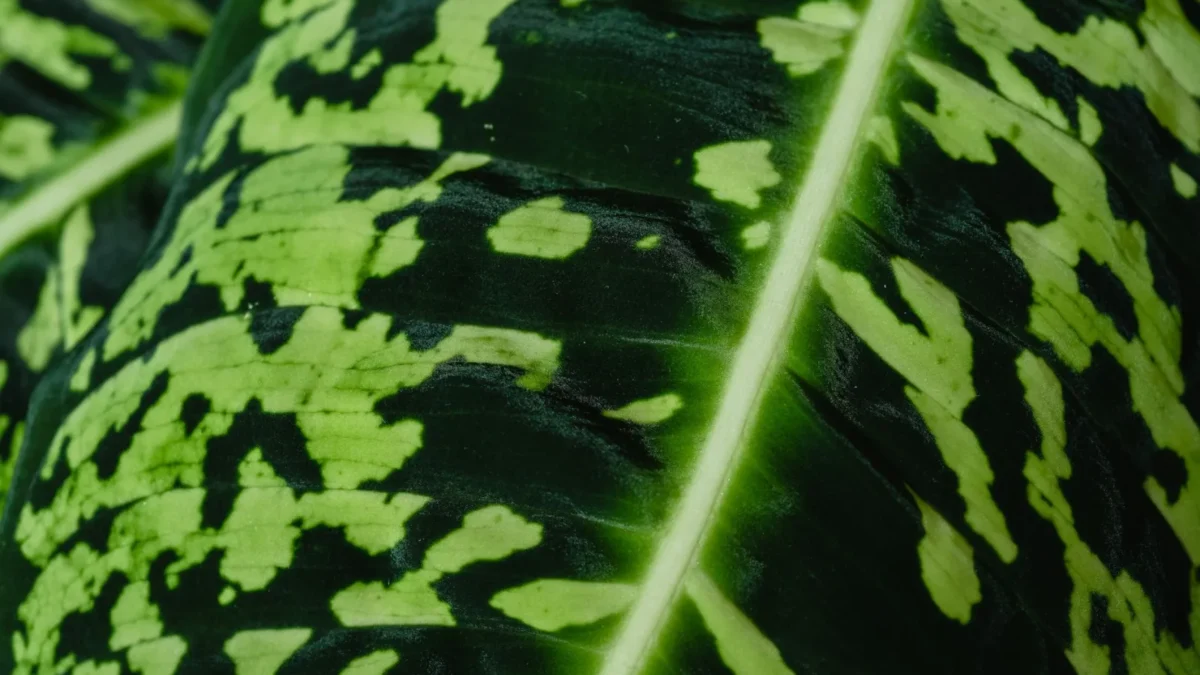
Quick answer: How often? Water your Dieffenbachia every 7–10 days when the top 2 inches of soil feel dry. Reduce watering in fall and winter when growth slows, but never let the soil dry out completely. Skip fixed schedules and check soil moisture first—this is the most reliable way to avoid overwatering, the most common mistake with this plant.
| Botanical name | Dieffenbachia seguine |
|---|---|
| Light | Bright indirect light; avoid direct sun; tolerates lower light but may become leggy |
| Watering | Water when top 2 inches of soil feel dry; typically every 7-10 days; reduce watering in fall/winter |
| Humidity | Thrives in 50-65% humidity; use pebble trays or misting to increase |
| Temperature | 65-75°F (18-24°C) preferred; tolerate 65-80°F; avoid prolonged cold below 55°F |
| Soil | Well-draining, slightly acidic (pH 6.1-6.5); blend of peat moss, perlite, and potting soil |
| Feeding | Balanced liquid fertilizer every 4-6 weeks during spring/summer at half strength; skip fall/winter |
| Size | 3-5 feet tall indoors |
| Difficulty | easy |
| Cats | ⚠️ toxic — Calcium oxalates cause mouth/throat burning, drooling, vomiting |
| Dogs | ⚠️ toxic — Calcium oxalates cause mouth/throat burning, drooling, vomiting |
When to Water Your Dieffenbachia
The frequency of watering Dieffenbachia depends on your home’s conditions rather than a calendar. Always check the soil first: stick your finger about an inch into the soil, and when it feels dry at that depth, it’s time to water.
Once per week or every two weeks is the typical range. Water thoroughly until water drains from the bottom of the pot—this flushes out salts and ensures the roots get moisture all the way down. Dieffenbachia likes consistent moisture but doesn’t want to sit in soggy soil.
Seasonal Adjustments
During spring and summer, your plant actively grows, so water more frequently. In fall and winter, when growth naturally slows, reduce watering frequency but don’t allow the soil to dry out completely. For larger plants, expect to water about twice per week during the growing season; reduce this in winter when your Dieffenbachia grows more slowly.
Signs of Overwatering and Underwatering
Overwatering is the most common cause of yellow leaves on Dieffenbachia, causing progressive yellowing of the foliage. If you’re watering too frequently or the soil isn’t draining well, the roots can become waterlogged, leading to root rot, which prevents your plant from absorbing essential nutrients. Never let your plant sit in standing water, as this causes root rot.
To fix overwatering, allow the top few inches of soil to dry out between waterings. Use pots with drainage holes—this single feature prevents water from pooling at the bottom and damaging your roots.
Underwatering can also cause yellow leaves; if the plant isn’t receiving enough moisture, it may begin to shed its older leaves to conserve water, leading to yellowing.
FAQ
Can I use a fixed watering schedule, like every Monday?
No. Environmental conditions like pot size, humidity, and room temperature all affect how quickly soil dries. Always check soil moisture first rather than sticking to a strict schedule.
Should I water differently in winter?
Yes. Reduce watering frequency in fall and winter when growth slows, but don’t allow the soil to dry out completely.
Read the full guide: Dieffenbachia Care: The Complete Guide
More about Dieffenbachia
The same problem in other plants
- How Often to Water Your Ponytail Palm: Complete Watering Guide
- How Often Should You Water a Parlor Palm?
- How Often Should You Water English Ivy?
- How Often to Water String of Pearls
Sources
- A Complete Guide to Dieffenbachia Plant Care – Moonlight Yard
- Why Is My Dieffenbachia Turning Yellow
- Dieffenbachia Care Guide: Easy Dumb Cane Tips by Léon & George
Photo: Marina Leonova / Pexels, Pexels