Fishbone Cactus Epiphyllum anguliger
Fishbone Cactus Care: The Complete Growing Guide
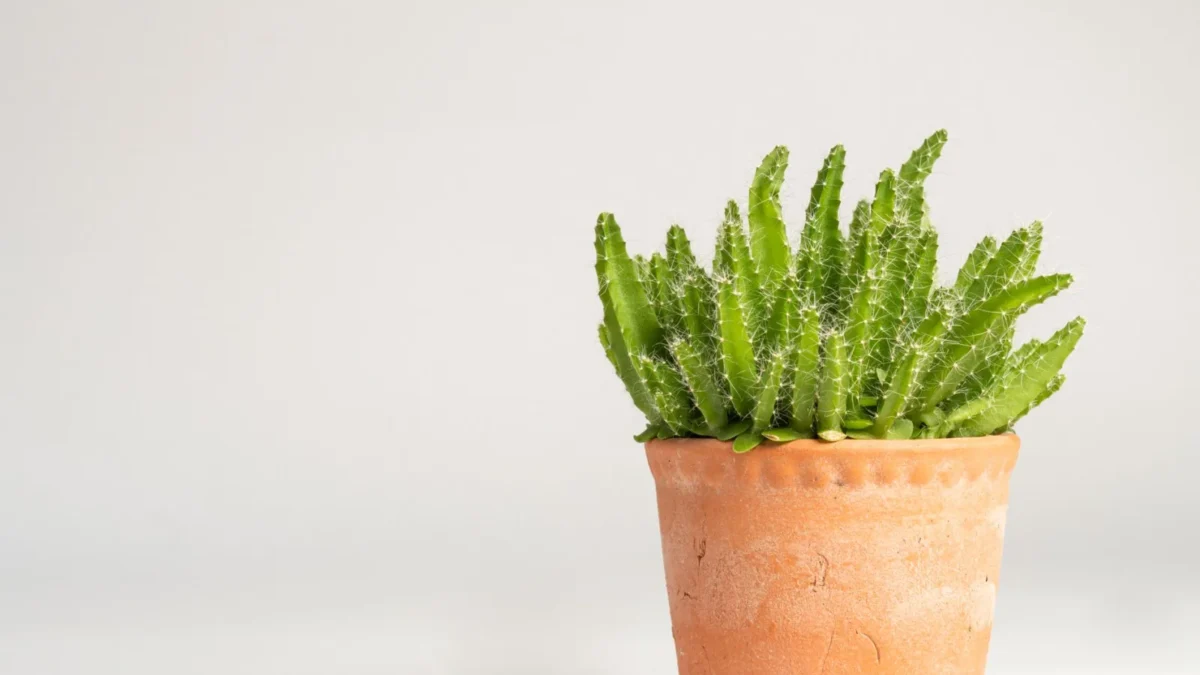
This guide covers everything you need to know about fishbone cactus care, from light and watering to propagation and common issues. The fishbone cactus is an easy, fast-growing plant native to Mexico that rewards straightforward care with lush, distinctive foliage. The key to success is recreating its natural forest habitat: bright filtered light, consistent moisture, and good drainage.
| Botanical name | Epiphyllum anguliger |
|---|---|
| Light | Bright, filtered indirect light; avoid strong midday sun which can scorch leaves |
| Watering | Water when top 1-2 inches of soil are dry; 1-2 times weekly in spring/summer; reduce in winter |
| Humidity | Moderate to high humidity; prefers 50-60%, tolerates as low as 40% |
| Temperature | 60-78°F (16-26°C) growing season; 50-60°F (10-16°C) in winter to encourage flowering |
| Soil | Peat-free cactus compost with added grit; potting soil, sand, and perlite mix |
| Feeding | Cactus fertilizer fortnightly spring to autumn, or 3-4 times during growing season |
| Size | 2-3 feet long; 0.5-1 metre height; 0.1-0.5 metre spread |
| Difficulty | easy |
Key points:
– Place your fishbone cactus in bright, indirect light to maintain its thick zig-zag shape; direct sun will scorch the leaves
– Water when the top 1-2 inches of soil are dry, typically 1-2 times weekly during spring and summer
– Use peat-free cactus compost with added grit, or a mix of potting soil, sand, and perlite
– Feed fortnightly with cactus fertiliser from spring to autumn, or 3-4 times during the growing season
– Propagate easily from stem cuttings, allowing them to callus before planting
– Move to cooler temperatures in winter (50-60°F) to encourage flowering
Light Requirements and Placement
Your fishbone cactus thrives in bright, indirect light. In its native habitat, it grows beneath the canopy of trees, so it’s accustomed to filtered rather than direct sun. Keep it out of strong midday sun, especially in summer, as this will scorch the leaves.
An east or west-facing window is ideal. An east-facing spot where it receives a few hours of gentle morning sun followed by bright ambient light for the rest of the day works particularly well. A windowsill with consistently bright but not direct light throughout the day is equally suitable.
Light quality matters for the plant’s appearance. Bright, indirect light maintains the thick, wide, distinctive zig-zag shape the plant is named for. Conversely, low light causes rapid stretching, producing long, thin, stringy stems, and the leaves begin to stretch toward the nearest light source, becoming distorted. Too much shade also slows growth and prevents flowering.
If you notice browning or yellowing leaves, the plant may be getting too much direct sunlight. Move it back slightly or filter the light with a sheer curtain.
Watering Schedule and Techniques
Water thoroughly when the top 1-2 inches of soil are dry. In spring and summer, this typically means watering 1-2 times per week. Although the fishbone cactus grows naturally in the moist nooks of jungle trees, avoid soggy conditions; root and basal rot are constant threats.
The plant dislikes both excess water and prolonged dryness. During the growing season, maintain regular watering but allow the substrate to dry slightly between waterings.
In winter, reduce watering significantly. Keep the compost only just moist and never let it dry out completely.
Water temperature matters
Avoid watering your fishbone cactus with cold water, as this can shock the roots. Pouring cold tap water directly into the pot can cause yellow edges, sudden flower loss, and stunted growth. Use room-temperature water instead.
Soil, Potting, and Repotting
A standard peat-free cactus compost with added grit is ideal. Alternatively, use a combination of potting soil, sand, and perlite to mimic the plant’s natural habitat. Both mixes provide the drainage this tropical cactus needs while retaining enough moisture for healthy growth.
Your fishbone cactus will typically outgrow its pot once every three years. However, epiphyllum cacti generally flower only when their roots have filled the container, so repot as little as possible. When repotting is necessary, use fresh soil and handle the roots gently.
Feeding and Nutrients
Apply cactus fertiliser fortnightly from early spring to autumn. Since epiphyllum cacti grow naturally in a low-nutrient environment, feed sparingly. Three feedings during the growing season, starting in spring and ending in mid to late summer, is usually sufficient. Alternatively, use a high-potash fertiliser 3-4 times during the growing season.
Overfeeding can cause yellowing leaves, so stick to the recommended schedule.
Temperature and Humidity
The fishbone cactus thrives in temperatures between 60-78°F (16-26°C). It prefers a humidity level of 50-60%, though it tolerates levels as low as 40%. Higher humidity is preferable, so occasional misting or grouping the plant with others can help.
In winter, move the plant to a cooler location between 50-60°F (10-16°C). This cool rest period encourages flowering in the next growing season. Sudden temperature fluctuations can cause rapid yellowing and leaf drop, so maintain consistent conditions.
Propagation Methods
The fishbone cactus propagates easily, with stem cuttings being the most common method.
Propagation by stem cuttings
- Cut a healthy stem from the parent plant at least 3-4 inches long.
- Let the cut end dry out for a day or two to form a callus. Alternatively, let the cutting sit on the counter for 24 hours to callus over, which helps prevent rot.
- Stick the cut end into a pot of well-draining soil and keep it consistently moist; roots will form in a few weeks.
- Place the cutting in indirect sunlight.
- When roots are a few inches long, the new plant is established and can be treated as a mature specimen.
You can also propagate cuttings in water: place them in a jar of water in bright, indirect light and replace the water when it gets dirty. This allows you to watch root development before transferring to soil.
Propagation by division
Large plants can be propagated by division. Separate one or more sections of the cactus that have their own root systems from the main plant, gently separating the roots and keeping them as intact as possible. Use a sharp knife to slice through the roots vertically, from top to bottom. Replant each section in a small pot with fresh soil and keep it well-watered until new growth begins. Over the next week or two, your cactus will establish itself in its new pot.
Flowering and Blooming
The fishbone cactus produces fragrant white flowers up to 10cm across in summer. Encouraging blooms requires a cool winter rest. In winter, move the plant to a cooler place between 52-57°F (11-14°C) and reduce watering. Reduce watering, keeping the compost only just moist. A rest period with lower temperatures and reduced watering helps promote flowering in the next growing season.
Once flower buds appear, return the plant to its usual position at 60°F (15°C) or above, where the flowers will then bloom. Without this cool rest period, flowering is unlikely.
Common Problems: Yellow Leaves, Brown Tips, and Curling
Yellow leaves: Overwatering is the most common cause, producing soft, squishy yellowed leaves. Stop watering and allow the plant to recover; if necessary, repot the cactus, trimming away dead mushy roots and replacing the entire potting mix. Yellow leaves can also indicate insufficient light, too much direct sunlight, or cold water damage. A lack of essential nutrients may also cause yellowing; apply cactus fertiliser during the growing season.
Brown tips and leaf burn: Brown edges usually signal too much direct sunlight. Move the plant to a location with bright but filtered light. Sudden temperature fluctuations and exposure to cold water can also cause browning.
Curling and dropping leaves: Curling leaves that turn brown and drop indicate the plant is too cold. Ensure temperatures stay above 50°F, especially during the resting period.
Pet Safety
The fishbone cactus is non-toxic to both cats and dogs according to the ASPCA, making it a great choice for households with curious pets. It features spineless, flat stems that pose no physical puncture hazard. A curious nibble will not poison your pet, though no plant is meant to be eaten. Consuming large amounts of fibrous plant matter may cause mild, temporary stomach upset.
FAQ
How often should I water my fishbone cactus?
Water 1-2 times per week in spring and summer when the top 1-2 inches of soil are dry. Reduce watering in winter, keeping the compost only just moist.
What light does a fishbone cactus need?
Place it in bright, indirect light; an east or west-facing window is ideal. Avoid strong midday sun, which will scorch the leaves.
Can I propagate fishbone cactus from cuttings?
Yes. Cut a healthy stem 3-4 inches long, let it dry for a day or two, then plant it in well-draining soil and keep it moist. Roots develop in a few weeks.
How do I get my fishbone cactus to flower?
Move the plant to a cool location between 50-60°F (10-16°C) in winter and reduce watering. Once flower buds appear, return it to warmer conditions at 60°F or above.
Is fishbone cactus safe for cats and dogs?
Yes, according to the ASPCA, it is non-toxic to both cats and dogs. The spineless, flat stems also pose no physical hazard.
How often should I repot my fishbone cactus?
Repot about once every three years. However, since epiphyllum cacti flower best when their roots fill the pot, repot only when necessary.
More about Fishbone Cactus
Sources
- How to grow epiphyllum cacti / RHS Growing Guide
- Fishbone Cactus (Epiphyllum anguliger): All You Need To Know
- Why does my Fishbone Cactus have yellow leaves?
Photo: Ylanite Koppens / Pexels, Pexels