Fishbone Cactus Epiphyllum anguliger
How Often Should You Water Your Fishbone Cactus?
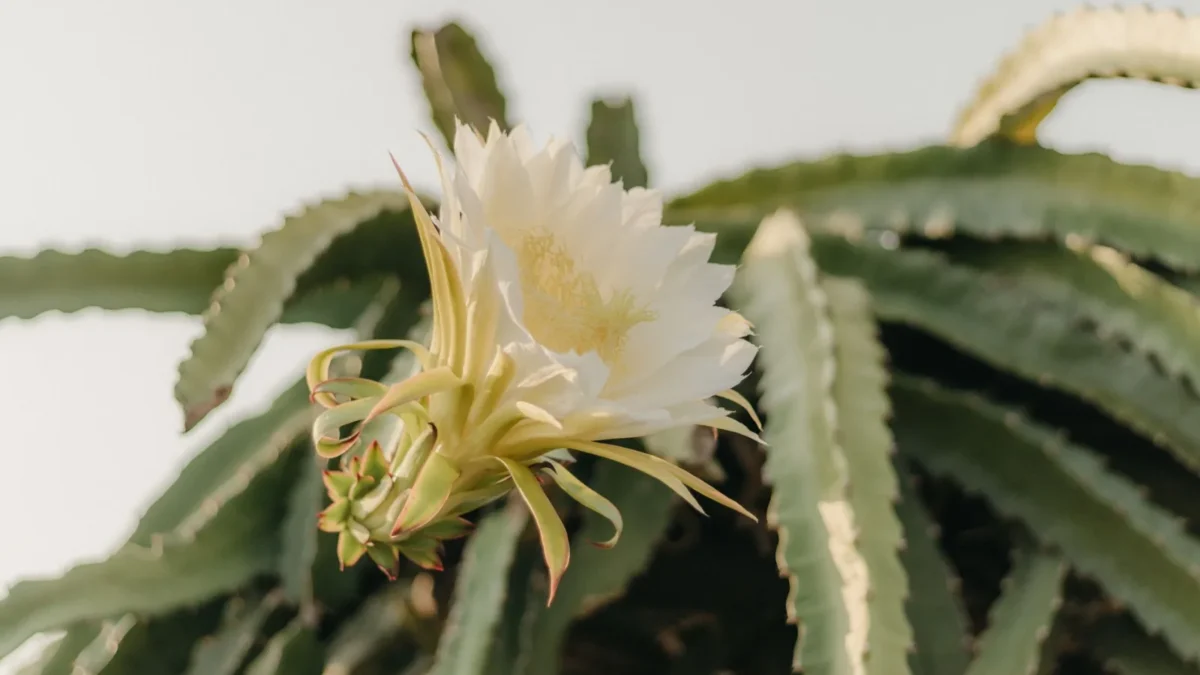
Quick answer: Water your fishbone cactus when the top 1-2 inches of soil are dry. During the growing season in spring and summer, this typically means watering 1 to 2 times per week. In winter, reduce watering significantly while keeping the compost just moist—never let it dry out completely.
| Botanical name | Epiphyllum anguliger |
|---|---|
| Light | Bright, filtered indirect light; avoid strong midday sun which can scorch leaves |
| Watering | Water when top 1-2 inches of soil are dry; 1-2 times weekly in spring/summer; reduce in winter |
| Humidity | Moderate to high humidity; prefers 50-60%, tolerates as low as 40% |
| Temperature | 60-78°F (16-26°C) growing season; 50-60°F (10-16°C) in winter to encourage flowering |
| Soil | Peat-free cactus compost with added grit; potting soil, sand, and perlite mix |
| Feeding | Cactus fertilizer fortnightly spring to autumn, or 3-4 times during growing season |
| Size | 2-3 feet long; 0.5-1 metre height; 0.1-0.5 metre spread |
| Difficulty | easy |
Watering in Spring and Summer
During the warm months when your fishbone cactus is actively growing, water thoroughly whenever the top 1-2 inches of soil feel dry to the touch. This usually works out to about 1 to 2 times per week, though the exact frequency depends on your home’s temperature, light, pot size, and how quickly your soil drains.
The key is allowing the substrate to dry slightly between waterings. Your fishbone cactus doesn’t like sitting in waterlogged soil, but it also won’t tolerate prolonged dryness. Using a well-draining potting mix—ideally a peat-free cactus compost with added grit—helps prevent the soggy conditions that lead to root rot.
Watering in Winter
When temperatures drop and growth slows, reduce watering significantly. Keep the compost only just moist, but never allow it to dry out completely. Winter watering might mean watering only every 2-3 weeks or less, depending on your home’s conditions. This rest period with lower moisture levels actually helps encourage flowering in the next season.
Tips to Get It Right
Use room-temperature water rather than cold tap water straight from the tap, as cold water can shock the roots and cause yellow leaf edges, flower loss, and stunted growth.
Yellow, soft, squishy leaves are the main sign of overwatering. If this happens, stop watering and let the plant recover; if it doesn’t improve, repot it into fresh soil and trim away any mushy roots.
FAQ
Can I water on a fixed schedule?
No—always check the soil first. Conditions in your home change with seasons and weather, so the 1-2 times weekly guideline is just a starting point. Feel the soil before every watering.
What if I forget to water?
Unlike tropical houseplants, fishbone cactus tolerates brief dry spells better than constant wetness. Missing a watering is far less risky than overwatering.
Does humidity affect how often I water?
Yes. Your fishbone cactus prefers moderate to high humidity of 50-60%, but this doesn’t mean watering more frequently—it means misting leaves or grouping plants together, not soaking the roots more often.
Read the full guide: Fishbone Cactus Care: The Complete Growing Guide
More about Fishbone Cactus
The same problem in other plants
- How Often to Water String of Dolphins: The Right Watering Schedule
- How Often to Water Pencil Cactus: A Complete Guide
- Elephant Bush Watering: How Often and How Much
- How Often Should You Water String of Turtles?
Sources
- Fishbone Cactus (Epiphyllum anguliger): All You Need To Know
- How to grow epiphyllum cacti / RHS Growing Guide
- Why does my Fishbone Cactus have yellow leaves?
Photo: Kawê Rodrigues / Pexels, Pexels