Fishbone Cactus Epiphyllum anguliger
Why Are My Fishbone Cactus Leaves Turning Yellow
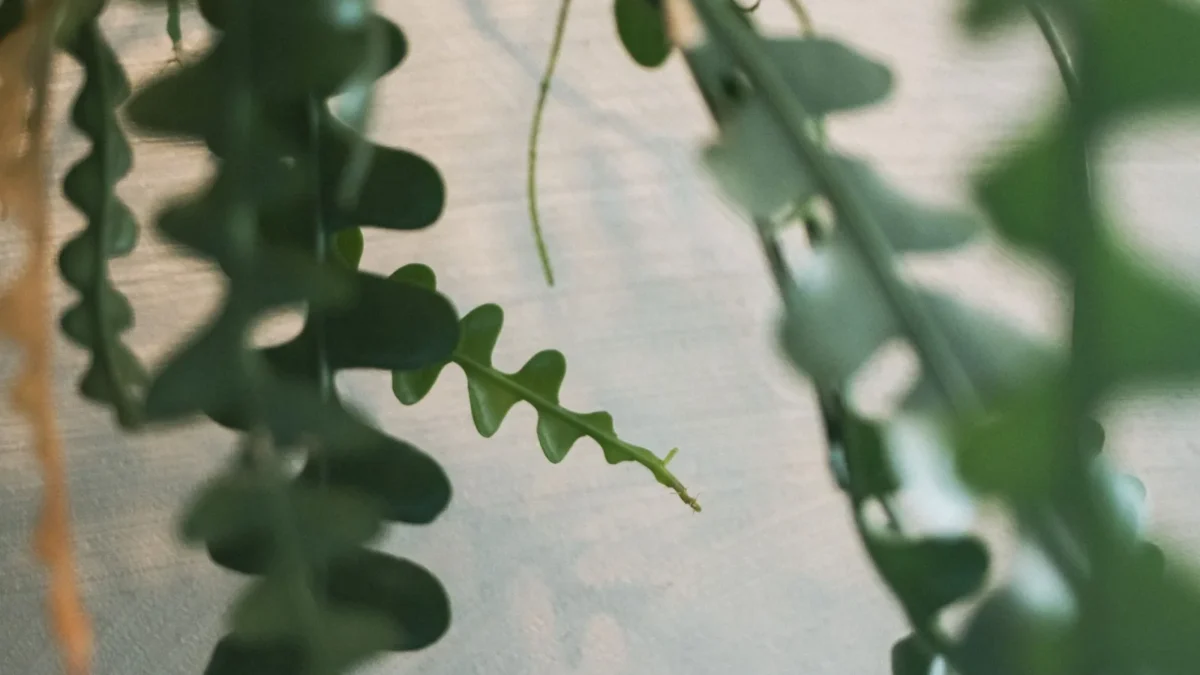
Quick answer: Your fishbone cactus is turning yellow most likely from overwatering or sitting in soil that stays too wet. Yellow leaves may also signal insufficient light, too much direct sun, or nutrient deficiency—each has a different fix. Check your watering schedule and light conditions first, and you’ll usually spot the culprit.
| Botanical name | Epiphyllum anguliger |
|---|---|
| Light | Bright, filtered indirect light; avoid strong midday sun which can scorch leaves |
| Watering | Water when top 1-2 inches of soil are dry; 1-2 times weekly in spring/summer; reduce in winter |
| Humidity | Moderate to high humidity; prefers 50-60%, tolerates as low as 40% |
| Temperature | 60-78°F (16-26°C) growing season; 50-60°F (10-16°C) in winter to encourage flowering |
| Soil | Peat-free cactus compost with added grit; potting soil, sand, and perlite mix |
| Feeding | Cactus fertilizer fortnightly spring to autumn, or 3-4 times during growing season |
| Size | 2-3 feet long; 0.5-1 metre height; 0.1-0.5 metre spread |
| Difficulty | easy |
| What you see | Likely cause | What to do |
|---|---|---|
| Yellow, soft, squishy leaves | Overwatering or poor drainage | Stop watering; let soil dry out. If leaves don’t recover, repot with fresh, well-draining mix and trim dead roots. |
| Yellowing on older leaves first | Nutrient deficiency | Apply cactus fertilizer fortnightly from spring to autumn. |
| Yellow leaves; plant otherwise healthy | Low light | Move to bright, indirect light (east or west window is ideal). |
| Yellow or brown leaf edges | Cold water shock or sun scorch | Use room-temperature water for watering; filter direct midday sun. |
| Rapid yellowing; curled leaves turning brown | Temperature too cold | Move plant to warmer location above 60°F (16°C). |
Overwatering and poor drainage—the most common cause
Overwatering will often be the cause of your fishbone cactus’ yellow leaves. The symptoms include yellowing leaves that look soft and squishy. This happens because the roots sit in wet soil and begin to rot, cutting off the plant’s ability to absorb nutrients and water properly.
The fishbone cactus grows naturally in jungle trees where water drains quickly, but it still needs air at the roots. Although fishbone cacti grow on moist nooks of jungle trees, it’s important not to promote too soggy conditions as root or basal rot are always a threat.
What to do:
- Stop watering immediately and let the soil dry out.
- Water thoroughly when the soil’s top 1-2 inches are dry—not before.
- If the plant doesn’t recover after a few days without water, stop watering the plant and wait for it to get healthy again; if that doesn’t happen, then repotting it will help.
- Trim away the dead mushy roots and replace the entire potting mix so your fishbone cactus can begin to recover.
- Use a standard peat-free cactus compost with added grit, or a combination of potting soil, sand, and perlite.
- Keep your plant in a well-draining potting mix to prevent root rot.
Insufficient light—causes weak, stretching growth
Yellow leaves on a fishbone cactus can be a sign of overwatering or insufficient light. In low light, the plant struggles and yellowing often follows slow growth.
The fishbone cactus thrives in bright, indirect light. Epiphyllum cacti like lots of bright, filtered light but should be kept out of strong midday sun, especially in summer, as this can scorch them. It thrives in an east-facing window where it can receive a few hours of gentle morning sun, followed by bright ambient light for the rest of the day.
What to do: Move your plant closer to a window with consistent bright light all day, or rotate it to an east or west-facing spot. If kept in low light, the plant will stretch rapidly, producing long, thin, stringy stems—a sign you need more light.
Direct sun and cold water—less common but quick to fix
If you notice any browning or yellowing, it might be a sign that your cactus is getting too much direct sunlight. This causes leaf scorch, not true yellowing, but the damage looks similar.
Pouring cold tap water immediately into the pot will not only ironise your roots but could even cause yellow edges, sudden flower loss and stunted growth. Room-temperature water prevents shock to the roots.
Nutrient deficiency—rare but worth checking
A lack of essential nutrients can cause yellowing as the plant struggles to perform basic functions; consider a cactus fertilizer during the growing season (spring and summer) to give your plant a little boost. Apply a cactus fertiliser fortnightly from early spring to autumn; fishbone cacti grow naturally in a low-nutrient environment, so feed sparingly.
How to prevent yellowing
Check the top 1–2 inches of soil before watering—water only when it feels dry. In spring and summer: water 1 or 2 times a week, allowing the substrate to dry slightly between waterings. During winter, reduce watering and keep the plant in a cooler location, ideally between 50°F and 60°F. Avoid watering your fishbone cactus with cold water, as this can shock the roots. Position your plant in bright, filtered light away from strong midday sun, and feed during the active growing season. These simple steps will keep your plant healthy and yellow-leaf-free.
Read the full guide: Fishbone Cactus Care: The Complete Growing Guide
More about Fishbone Cactus
The same problem in other plants
- Why Is My Pencil Cactus Turning Yellow?
- Why Are My Pink Princess Philodendron Leaves Turning Yellow?
- Why Are My Elephant Bush Leaves Turning Yellow?
- Why Is My String of Turtles Turning Yellow?
Sources
- Fishbone Cactus (Epiphyllum anguliger): All You Need To Know
- How to grow epiphyllum cacti / RHS Growing Guide
- Fishbone Cactus Care: Light, Watering & Bloom Tips
Photo: Maria Tyutina / Pexels, Pexels